




menu

Tank vs. Tankless Water Heaters in Riverside – Expert Guidance to Choose the Right System for Your Home

Compare traditional storage water heaters with modern on-demand systems and discover which option delivers better efficiency, cost savings, and performance for Riverside homeowners.

Slider Image 1
Slider Image 2
Slider Image 3
Slider Image 4
Slider Image 5
Slider Image 7
Slider Image 8
Slider Image 9
Slider Image 10
Slider Image 11

Understanding Your Water Heating Options in Riverside's Climate

Riverside homeowners face a unique challenge when selecting water heating systems. The region's temperature swings, from summer highs exceeding 100 degrees to winter lows in the 30s, directly impact how efficiently your water heater operates and how much energy it consumes.

Traditional storage water heaters maintain a 40 to 50-gallon reservoir of hot water, continuously heating the supply whether you use it or not. This approach worked well for decades, but Riverside's hot summers mean your conventional tank system fights against ambient heat in garages and utility rooms, cycling on frequently to maintain temperature. During winter months, the same system struggles to recover quickly when multiple family members shower back-to-back on cold mornings.

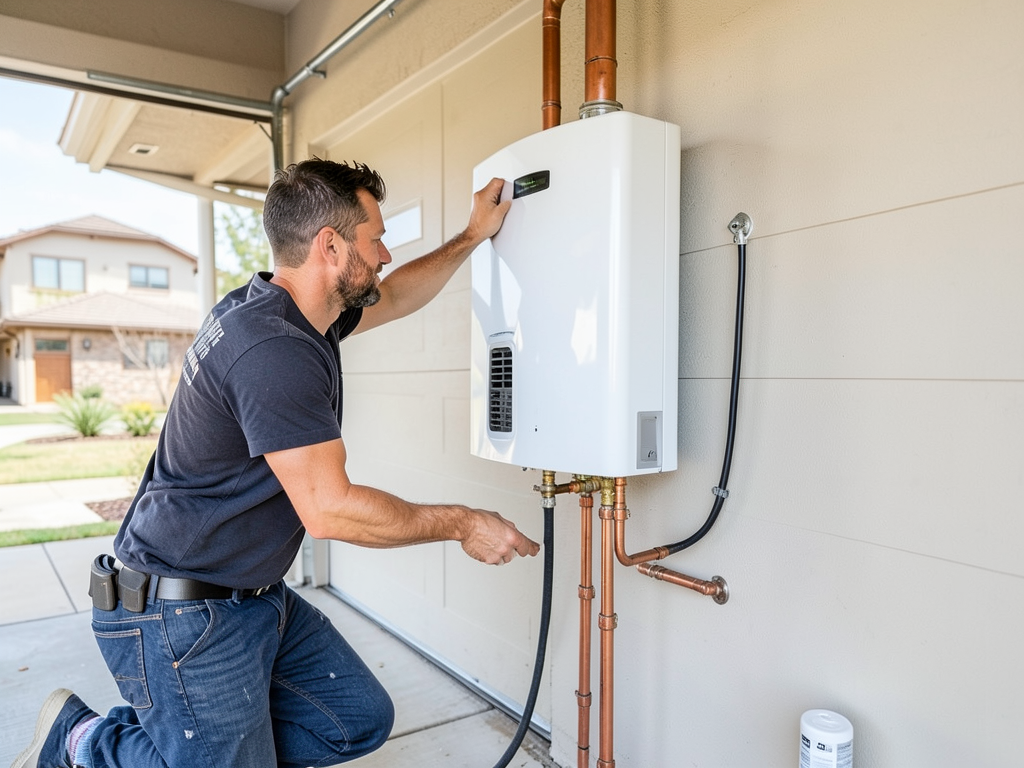
Instantaneous water heaters, commonly called tankless or on-demand systems, heat water only when you turn on a tap. No storage means no standby energy loss. For Riverside homes where air conditioning costs already strain summer budgets, eliminating the constant energy draw of a storage tank can reduce utility bills significantly.

The standard vs tankless water heater comparison comes down to household demand patterns, available space, and upfront investment capacity. A family of five with simultaneous morning routines has different needs than a retired couple. Riverside's hard water, common throughout Inland Empire communities, also affects both system types differently. Mineral buildup occurs faster in conventional tanks, requiring more frequent maintenance, while tankless units need periodic descaling to maintain their compact heat exchangers.

Understanding how each technology responds to local water quality and usage patterns helps you make an informed choice that serves your household for the next 15 to 20 years.

Understanding Your Water Heating Options in Riverside's Climate
How Each System Actually Works in Your Home

How Each System Actually Works in Your Home

Conventional water heaters use a simple principle. Cold water enters the bottom of an insulated tank through a dip tube. A gas burner or electric heating element warms the water to your set temperature, typically 120 to 140 degrees. Hot water exits through a pipe at the tank's top. The thermostat monitors temperature and triggers the heating element when water cools below the setpoint. This cycle repeats continuously, maintaining hot water availability but consuming energy even when you sleep or leave for vacation.

Tankless systems operate differently. When you open a hot water tap, a flow sensor detects water movement and ignites a gas burner or activates electric heating coils. Water flows through a heat exchanger, warming rapidly as it passes. The system modulates burner intensity based on flow rate and desired temperature. When you close the tap, the system shuts down completely. No stored water means no standby heat loss.

The tank vs tankless water heater comparison extends to recovery rates and capacity. A 50-gallon storage tank delivers its full volume quickly but then requires 30 to 60 minutes to reheat, depending on the first-hour rating. If three teenagers shower consecutively, the last person gets lukewarm water.

On-demand water heaters provide continuous hot water but have flow rate limitations. A whole-house gas tankless unit typically delivers 6 to 8 gallons per minute. Running two showers simultaneously plus a dishwasher might exceed capacity, causing temperature drops. Proper sizing calculations matter significantly.

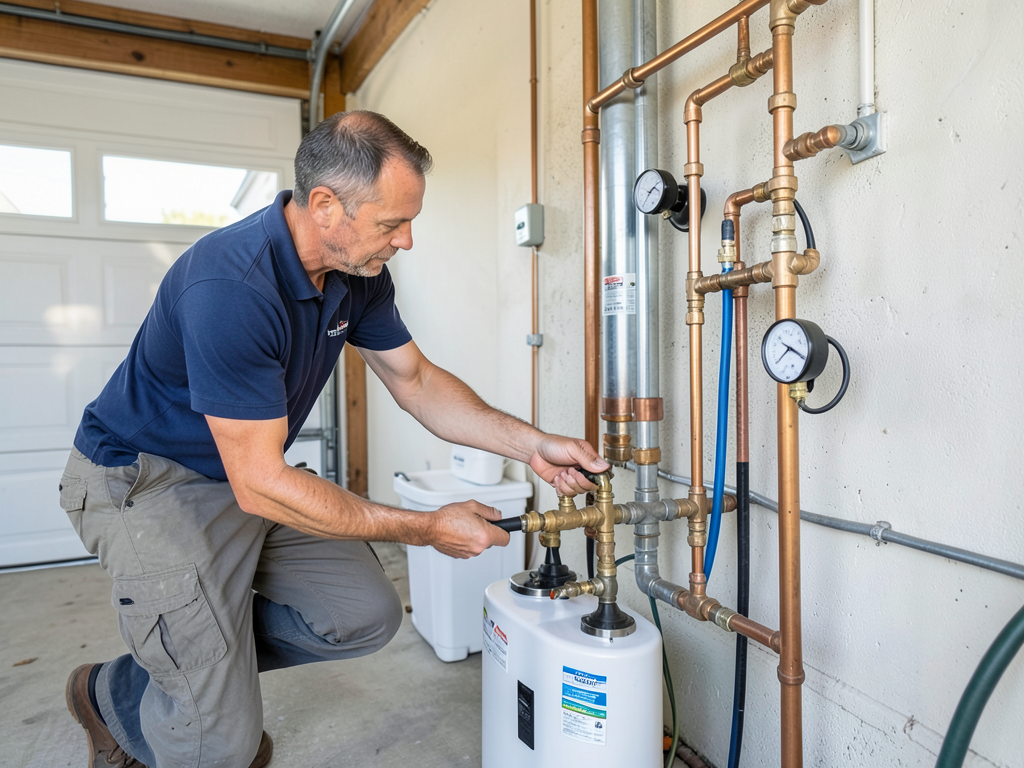
Installation requirements differ substantially. Storage tanks need floor space, earthquake straps in California, and adequate venting for gas models. Tankless units mount on walls, saving square footage in crowded Riverside garages, but require larger gas lines and dedicated electrical circuits for electronic controls and ignition systems.

How We Help You Choose the Right System

Tank vs. Tankless Water Heaters in Riverside – Expert Guidance to Choose the Right System for Your Home
01

Usage Pattern Analysis

We start by evaluating your household's actual hot water consumption. How many bathrooms do you use simultaneously during morning routines? Do you run dishwashers and washing machines during peak times? We measure fixture flow rates, count simultaneous demand points, and calculate peak gallons per minute. This data determines whether a storage system with adequate first-hour rating or an appropriately sized instantaneous heater better serves your family's real-world usage patterns.
02

Energy Cost Projection

Using your current utility rates and historical consumption data, we project operating costs for both traditional and on-demand systems. We factor in Riverside's seasonal temperature variations, your home's insulation quality, and water heater location. Gas versus electric fuel sources dramatically affect long-term costs. We calculate payback periods for higher upfront tankless investments against monthly energy savings, giving you clear financial comparisons based on your specific situation and local utility rate structures.
03

Installation Feasibility Assessment

We inspect your existing plumbing infrastructure, gas line capacity, electrical panel availability, and venting options. Converting from storage to tankless often requires upgrading gas lines from half-inch to three-quarter-inch diameter, adding dedicated 120-volt circuits, and installing new Category III stainless steel venting. We identify necessary modifications upfront, preventing surprise costs. If your home's infrastructure makes tankless installation prohibitively expensive, we recommend high-efficiency storage options that still deliver meaningful energy savings within budget constraints.

Why Riverside Homeowners Trust Our Water Heater Expertise

Evergreen Plumbing Riverside specializes in matching water heating systems to Inland Empire homes. We understand how Riverside's specific conditions affect equipment performance. The hard water flowing through local municipal systems and private wells contains elevated calcium and magnesium levels. These minerals accumulate faster here than in coastal areas, reducing efficiency and shortening equipment life if not addressed properly.

We size systems based on actual peak demand calculations, not generic estimates. A four-bedroom home near Riverside Plaza has different requirements than a three-bedroom property in Canyon Crest. We measure incoming water temperature, which varies seasonally and affects how much energy both storage and instantaneous systems consume to reach usable temperatures.

California building codes require specific earthquake strapping for tank water heaters and strict venting standards for gas appliances. Riverside's jurisdiction enforces Title 24 energy efficiency standards that many homeowners and contractors overlook. We ensure every installation meets current code requirements, preventing failed inspections and unsafe conditions.

The traditional vs on-demand water heater decision involves more than equipment preferences. It affects your home's resale value, monthly operating costs for years to come, and daily comfort. We have installed hundreds of both system types throughout Riverside County and understand which manufacturers build units that withstand local water quality without constant repairs.

Local expertise matters when comparing conventional tankless water heaters. We know which models handle Riverside's hard water best, which require the least maintenance, and which deliver the reliability you need. We also understand local permitting processes and maintain relationships with city inspectors, streamlining approvals and preventing delays. Choosing a plumber who works exclusively in this region means you get recommendations based on proven local performance, not national marketing claims.

What You Can Expect During Your Water Heater Consultation

Comprehensive Home Assessment

We schedule an on-site evaluation at your convenience, typically within 24 to 48 hours of your call. During this visit, we inspect your current system, test water pressure and temperature, evaluate available installation space, and assess gas line and electrical capacity. We measure fixture flow rates and discuss your household routines to understand peak demand times. This assessment takes 45 to 60 minutes and provides the foundation for accurate system recommendations. We explain findings in clear terms and answer questions about both storage and instantaneous options.

Side-by-Side Cost Analysis

You receive a detailed written comparison showing installation costs, projected monthly operating expenses, and long-term value for both standard tank and tankless options. We break down equipment costs, necessary infrastructure upgrades, permit fees, and labor separately so you understand exactly where your investment goes. Our energy calculations use your actual utility rates and household usage patterns, not generic estimates. We include maintenance requirements and expected equipment lifespan for each option. This transparency allows you to make decisions based on complete information about upfront investment versus ongoing savings.

Professional Installation Standards

Installation typically takes four to eight hours depending on system type and required modifications. We protect your home with floor coverings and work area barriers. Gas line upgrades, electrical work, and venting installation all happen in a single visit when possible. We test all connections for leaks, verify proper combustion and venting on gas units, and confirm water temperature and pressure meet specifications. You receive instruction on system operation, maintenance requirements, and manufacturer warranty registration. We remove your old unit and dispose of it properly, leaving your utility room cleaner than we found it.

Ongoing Support and Maintenance

Storage tank systems need annual inspections and anode rod checks to prevent corrosion. Tankless units require periodic descaling, especially in Riverside's hard water conditions. We offer maintenance plans that include annual service visits, priority scheduling, and discounted repairs. Regular maintenance extends equipment life significantly and maintains efficiency ratings. We keep detailed service records for your property and send reminders when maintenance is due. If problems arise, you get priority response because we know your system's complete history. This ongoing relationship ensures your water heater delivers reliable performance throughout its lifespan.

Frequently Asked Questions

You Have Questions,
We Have Answers

Is it better to have a tank or tankless water heater? +

It depends on your household needs and budget. Tank water heaters cost less upfront and work well for smaller Riverside homes with predictable hot water use. Tankless units cost more to install but save space, last longer, and provide endless hot water on demand. If you have a larger family or face higher energy bills during Riverside's hot summers, tankless can reduce operating costs over time. Tank heaters are simpler to repair and replace. Evaluate your daily hot water demand, available space, and long-term savings goals before deciding.

What is the downside of a tankless water heater? +

The biggest downside is upfront cost. Tankless water heaters require significant installation investment, often including gas line upgrades or electrical panel modifications common in older Riverside homes. They struggle to supply multiple simultaneous uses like showers and dishwashers without proper sizing. Hard water in parts of Riverside can cause mineral buildup, requiring annual flushing. If your home has lower water pressure, performance suffers. Recovery time between high-demand uses can frustrate larger households. Professional installation and maintenance add to total ownership costs compared to traditional tank units.

Why do plumbers not recommend tankless water heaters? +

Some plumbers hesitate because tankless units require specialized knowledge and tools, which not all professionals maintain. Installation complexity increases costs and liability. Riverside's varying water quality can accelerate scale buildup, leading to frequent service calls. Mismatched sizing causes customer complaints and callbacks. Many plumbers trained on tank systems resist learning new technology. However, experienced professionals recognize tankless benefits when properly installed and maintained. The key is finding a qualified installer familiar with Riverside water conditions and local building codes who can size the system correctly for your specific needs.

How much does your electric bill go up with a tankless water heater? +

Electric tankless heaters may slightly increase your bill initially, but total costs depend on usage patterns. In Riverside, where cooling costs dominate summer bills, the impact varies. Tankless units heat water only when needed, eliminating standby energy loss from traditional tanks. For average households, expect similar or slightly lower monthly costs. Heavy users running multiple fixtures simultaneously will see higher electric draw during peak demand. Gas tankless models typically offer better efficiency. Your actual bill change depends on household size, usage habits, and whether you upgraded from an older, inefficient tank heater.

Do you ever run out of hot water with tankless? +

You should not run out of hot water with a properly sized tankless unit. These systems heat water continuously as it flows through. The issue is flow rate, not capacity. If demand exceeds the unit's gallon-per-minute rating, you will notice temperature drops. Running three showers, a dishwasher, and laundry simultaneously can overwhelm smaller units. Riverside homes with multiple bathrooms need correctly sized systems or multiple units. Cold incoming groundwater temperature also affects performance. A licensed plumber should calculate your peak demand to size the unit correctly for uninterrupted hot water supply.

What water heater do plumbers recommend? +

Most plumbers recommend tank water heaters for budget-conscious homeowners and smaller Riverside properties. They are reliable, affordable, and easier to service. For larger homes or families prioritizing efficiency, professionals suggest properly sized tankless systems. Brands like Rheem, Bradford White, and AO Smith earn frequent recommendations for tanks. For tankless, Rinnai and Navien offer strong performance in Riverside's water conditions. The best choice depends on your specific situation. A qualified plumber evaluates your home's plumbing, electrical capacity, water quality, and usage patterns before recommending the right system for you.

What is the most common problem with tankless water heaters? +

Mineral buildup from hard water is the most common problem. Riverside's water contains dissolved minerals that accumulate inside heat exchangers, reducing efficiency and causing system failures. This requires annual descaling and flushing. Ignition or flame failure ranks second, often from gas supply issues or sensor problems. Error codes indicating overheating occur when water flow is restricted or filters clog. Inadequate sizing for household demand causes temperature fluctuations and customer dissatisfaction. Regular maintenance prevents most issues, but skipping annual service leads to expensive repairs and shortened equipment life.

Can I replace my 40 gallon water heater with a tankless water heater? +

Yes, but expect modifications. A tankless unit can replace your 40-gallon tank, but installation is not a simple swap. You may need gas line upgrades, new venting systems, electrical work for the ignition system, and different water connections. Riverside building codes require permits and inspections. Your existing plumbing location might need adjustments. A qualified plumber must calculate whether a single tankless unit meets your household demand or if you need multiple units. Budget for higher installation costs than tank replacement. The long-term energy savings and space reclaimed often justify the investment.

Do tankless heaters work during power outages? +

Gas tankless water heaters with electronic ignition will not work during power outages, even though they burn gas. They require electricity to operate controls, igniters, and safety sensors. Some models offer battery backup kits for ignition systems, providing limited functionality during outages. Electric tankless heaters obviously need power to function. Traditional tank gas water heaters with standing pilot lights continue working during outages. For Riverside homes concerned about power reliability, consider backup power solutions or maintain a tank system. Battery backup options exist but add cost and complexity to tankless installations.

Are they banning tankless water heaters? +

No, tankless water heaters are not being banned. Confusion stems from new energy efficiency regulations affecting all water heaters. California's Title 24 building standards and federal efficiency requirements actually favor high-efficiency models like tankless systems. Some jurisdictions restrict certain fuel types or require condensing models, but tankless technology often exceeds these standards. Riverside follows state codes that encourage efficient appliances. Gas appliance regulations continue evolving, but tankless heaters remain compliant and approved. Consult a licensed plumber familiar with current Riverside building codes to ensure your installation meets all requirements.

How Riverside's Hard Water Impacts Your Water Heater Choice

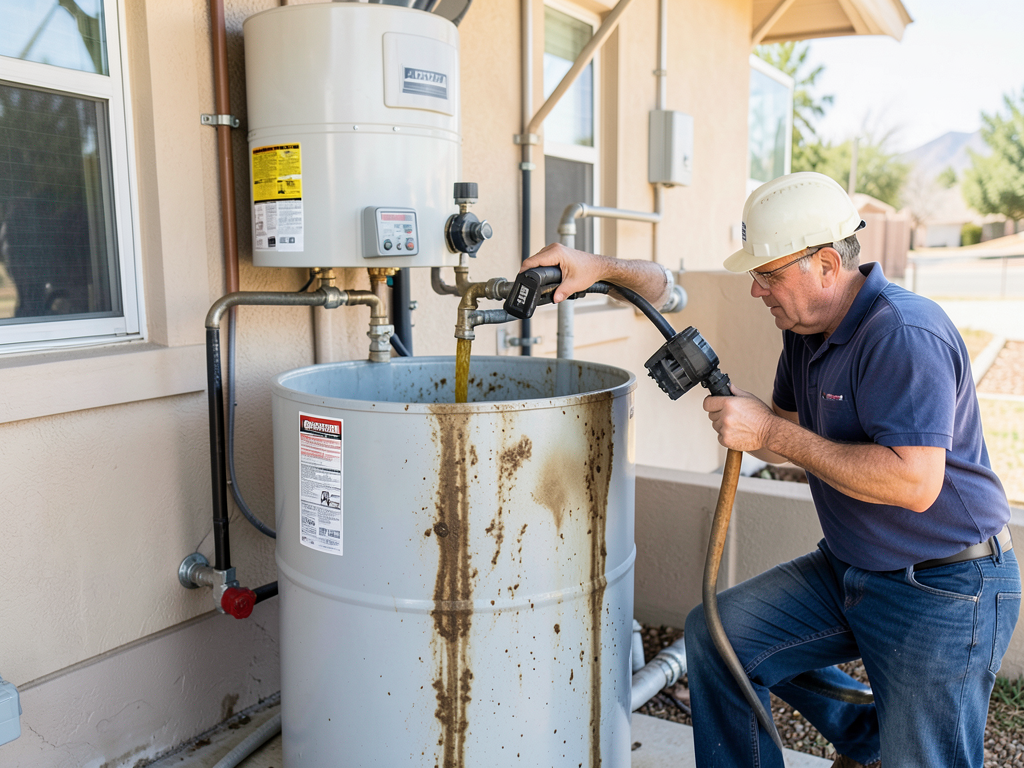
Riverside's groundwater contains 12 to 18 grains per gallon of hardness minerals, significantly higher than the 7-grain threshold where scaling becomes problematic. This affects both storage and on-demand systems but in different ways. Conventional tanks accumulate sediment at the bottom, creating an insulating layer that forces burners to work harder and increases energy consumption. The sacrificial anode rod that prevents tank corrosion depletes faster in hard water, potentially voiding warranties if not replaced on schedule. Tankless heat exchangers have narrow passages where mineral deposits restrict flow and reduce efficiency. Without proper water treatment and maintenance schedules tailored to local conditions, both system types underperform and fail prematurely in Riverside homes.

Evergreen Plumbing Riverside maintains relationships with local water testing labs and understands the specific mineral content in different areas throughout the city. We recommend appropriate water softening or filtration when necessary and size systems accounting for the reduced efficiency caused by hard water scaling. Our maintenance protocols reflect the aggressive descaling schedules required in this region, not the national manufacturer recommendations that assume softer water. This local knowledge prevents the premature failures and efficiency losses that plague homeowners who install systems without considering Riverside's specific water chemistry challenges. We also stay current on city water quality reports and adjust recommendations when municipal water sources or treatment methods change.
Plumbing Services in The Riverside Area

We are proud to serve the entire Riverside community and its surrounding areas. Our local presence ensures we can provide swift and efficient service when you need it most. You can view our service area on the map to see if we cover your location. We're dedicated to bringing professional plumbing solutions right to your doorstep.

Address:
Evergreen Plumbing Riverside, 3400 Central Ave, Riverside, CA, 92506

Additional Services We Offer

Our news updates

Latest Articles & News from The Blogs

Why that PVC pipe dripping near your Sycamore Highlands foundation needs attention Seeing water dripping from a PVC pipe near…

Why that PVC pipe dripping near your Sycamore Highlands foundation needs attention

Why that PVC pipe dripping near your Sycamore Highlands foundation needs attention Seeing water dripping from a PVC pipe near…

Using your water meter to check for hidden leaks in your Northside property

Using your water meter to check for hidden leaks in your Northside property Finding a hidden water leak in your…

Why pouring liquid grease down your Eastside kitchen drain is a recipe for disaster

Why pouring liquid grease down your Eastside kitchen drain is a recipe for disaster Eastside Riverside homeowners face a hidden…

Contact Us

Stop guessing which water heater type works best for your home. Call Evergreen Plumbing Riverside at (951) 309-5599 for a comprehensive assessment and honest recommendations based on your actual needs and budget. We provide clear answers and transparent pricing for both storage and tankless options.