Why Your Water Heater Makes Popping or Knocking Sound in Jurupa Valley
Your water heater should run quietly in the background. When you hear popping or knocking sounds coming from your tank something needs attention. In Jurupa Valley the Inland Empire’s hard water creates mineral buildup that causes these noises. This guide explains what those sounds mean and when to call a professional plumber. How to find a local plumber in Mission Grove who actually answers the phone.
Common Water Heater Noises and What They Mean
Different sounds point to different problems. Learning to identify these noises helps you understand what’s happening inside your tank.
Popping or Rumbling
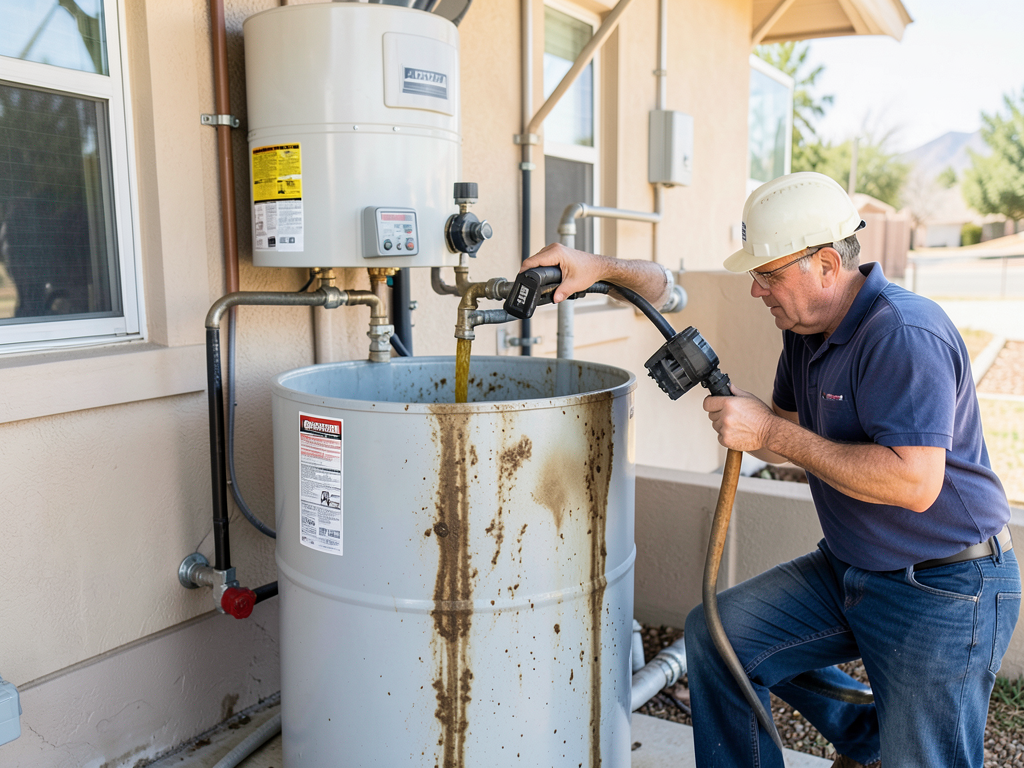
This sound happens when steam bubbles form under sediment at the bottom of your tank. The bubbles rise through the mineral layer creating popping or rumbling noises. It sounds like a tea kettle heating up or popcorn popping.
The noise gets louder as sediment builds up. What you hear is actually steam trying to escape through a layer of calcium carbonate and other minerals that have settled at the tank bottom.
High-Pitched Screeching or Whistling
This sound often comes from a partially closed valve or restricted water flow. The water pressure forces through a small opening creating a whistling noise. It could also indicate a failing pressure relief valve that needs immediate attention. Emergency Water Shut-Off Service.
Hissing or Sizzling Sounds
Hissing usually means water is dripping onto a hot surface. This could be from a small leak inside the tank or condensation forming on the outside of the tank when cold water enters. Sizzling might indicate a failing heating element in electric water heaters.
Thumping or Pounding
Water hammer happens when water flow suddenly stops or changes direction. The momentum creates a shockwave that makes pipes bang against walls or each other. This isn’t actually coming from your water heater but affects the entire plumbing system. The most common plumbing emergencies in La Sierra and how to solve them.
Why Jurupa Valley’s Hard Water Causes Noisy Tanks
Jurupa Valley sits on ancient alluvial deposits from the Santa Ana River. The Jurupa Valley Groundwater Basin contains water with hardness levels between 12-18 grains per gallon according to the Western Municipal Water District. This mineral content causes sediment buildup that leads to popping sounds. Western Municipal Water District.
Calcium and magnesium carbonate settle at the tank bottom over time. This sediment layer acts as insulation between the burner and the water. Your heater works harder to heat through this layer creating steam bubbles that cause popping noises.
Without regular maintenance sediment continues accumulating. A 40-gallon tank can hold several pounds of sediment after just a few years. The buildup reduces efficiency and can damage the tank’s bottom over time.
Is a Noisy Water Heater Dangerous
Popping sounds themselves aren’t dangerous but they signal problems that could become serious. Here’s when you need professional help:
- Gas odor present – Turn off the gas and call immediately. This indicates a gas leak.
- Leaking around the base – Water pooling means the tank is failing internally.
- Steam or boiling sounds – This could mean the temperature and pressure relief valve isn’t working.
- Age over 10 years – Older tanks are more likely to fail catastrophically.
California Code of Regulations Title 24 requires water heaters to have proper seismic strapping. A failing tank can become a projectile during earthquakes. The California Plumbing Code also mandates proper temperature and pressure relief valve installation for safety. California Code of Regulations Title 24.
How to Flush Your Water Heater
Flushing removes sediment and can eliminate popping noises. Here’s the process:
- Turn Off Power or Gas
Shut off electricity at the breaker or turn the gas valve to “pilot” position. This prevents heating an empty tank.
- Connect Garden Hose
Attach a garden hose to the drain valve at the tank bottom. Run the other end to a floor drain or outside.
- Open Hot Water Faucet
Turn on a hot water faucet somewhere in the house. This prevents vacuum formation.
- Drain the Tank
Open the drain valve. Let all water run out. The first water will look cloudy with sediment.
- Flush with Cold Water
Turn on the cold water supply briefly to stir up remaining sediment. Let it drain again.
- Close and Refill
Close the drain valve. Remove the hose. Turn on the cold water supply to refill the tank.
- Restore Power or Gas
Once the tank is full restore power or relight the pilot light.
Flushing takes about 30-60 minutes. Do this annually to prevent sediment buildup. If popping continues after flushing call a professional.
Professional Water Heater Repair in Jurupa Valley
Sometimes DIY fixes aren’t enough. Professional plumbers have tools and expertise to diagnose and fix water heater problems quickly.
Common professional repairs include:
- Anode rod replacement – Prevents tank corrosion
- Heating element replacement – Fixes electric heater problems
- Pressure relief valve repair – Ensures safety compliance
- Tank replacement – When the unit is beyond repair
Evergreen Plumbing Riverside serves Jurupa Valley and surrounding areas. Our technicians carry common replacement parts to fix most problems in one visit. We follow all California Plumbing Code requirements for safe installations. California Plumbing Code.
Call (951) 309-5599 today to schedule your inspection. Don’t wait until a small problem becomes an emergency.
Frequently Asked Questions
Why does my water heater make noise only at night
Water heaters cycle more during off-peak hours when hot water demand is low. The sediment layer causes more steam bubble formation during these extended heating cycles making popping sounds more noticeable at night.
Can I ignore popping sounds if my water is still hot
Ignoring these sounds leads to reduced efficiency and higher energy bills. The sediment layer makes your heater work harder increasing operating costs by up to 30%. More importantly it can cause premature tank failure and potential flooding.
How much does professional water heater flushing cost in Jurupa Valley
Professional flushing typically costs between $150-250 in Jurupa Valley. This includes complete sediment removal inspection of all components and testing of safety valves. The service pays for itself through improved efficiency and extended tank life.
Should I replace my water heater if it’s making popping sounds
Not necessarily. Many popping sounds come from sediment that can be flushed out. However if your tank is over 10 years old or shows signs of leaking replacement might be more cost-effective than repeated repairs.
How can I prevent sediment buildup in the future
Annual flushing prevents most sediment problems. Installing a water softener also helps by reducing mineral content before it enters your heater. Setting your water temperature to 120°F instead of higher settings reduces scale formation inside the tank.
Don’t let water heater noises disrupt your peace. Call (951) 309-5599 now for fast professional service in Jurupa Valley. Our experienced technicians will diagnose the problem and recommend the right solution to keep your hot water flowing safely and quietly.
You may also find this helpful. How to protect your plumbing from Riverside’s hard water without a salt system.
{
“@context”: “https://schema.org”,
“@type”: “BlogPosting”,
“headline”: “Why your water heater makes a popping or knocking sound in Jurupa Valley”,
“description”: “Learn why your water heater makes popping or knocking sounds in Jurupa Valley. Discover how Riverside’s hard water causes sediment buildup and when to call a professional plumber.”,
“wordCount”: 1156,
“datePublished”: “2026-06-12T09:41:00.000Z”,
“dateModified”: “2026-06-12T09:41:00.000Z”,
“inLanguage”: “en-US”,
“mainEntityOfPage”: {
“@type”: “WebPage”,
“@id”: “https://evergreenplumbingriverside.com”
},
“publisher”: {
“@type”: “LocalBusiness”,
“name”: “Evergreen Plumbing Riverside”,
“url”: “https://evergreenplumbingriverside.com”
},
“author”: {
“@type”: “Organization”,
“name”: “Evergreen Plumbing Riverside”,
“url”: “https://evergreenplumbingriverside.com”
},
“image”: {
“@type”: “ImageObject”,
“url”: “https://evergreenplumbingriverside.com/wp-content/uploads/2026/03/why-your-water-heater-makes-a-popping-or-knocking-1.png”
}
}
{
“@context”: “https://schema.org”,
“@type”: “Plumber”,
“name”: “Evergreen Plumbing Riverside”,
“url”: “https://evergreenplumbingriverside.com”,
“address”: {
“@type”: “PostalAddress”,
“addressLocality”: “Riverside”
},
“areaServed”: {
“@type”: “City”,
“name”: “Riverside”
}
}
{
“@context”: “https://schema.org”,
“@type”: “HowTo”,
“name”: “How to Flush Your Water Heater”,
“step”: [
{
“@type”: “HowToStep”,
“position”: 1,
“name”: “Turn Off Power or Gas”,
“text”: “Shut off electricity at the breaker or turn the gas valve to \”pilot\” position. This prevents heating an empty tank.”
},
{
“@type”: “HowToStep”,
“position”: 2,
“name”: “Connect Garden Hose”,
“text”: “Attach a garden hose to the drain valve at the tank bottom. Run the other end to a floor drain or outside.”
},
{
“@type”: “HowToStep”,
“position”: 3,
“name”: “Open Hot Water Faucet”,
“text”: “Turn on a hot water faucet somewhere in the house. This prevents vacuum formation.”
},
{
“@type”: “HowToStep”,
“position”: 4,
“name”: “Drain the Tank”,
“text”: “Open the drain valve. Let all water run out. The first water will look cloudy with sediment.”
},
{
“@type”: “HowToStep”,
“position”: 5,
“name”: “Flush with Cold Water”,
“text”: “Turn on the cold water supply briefly to stir up remaining sediment. Let it drain again.”
},
{
“@type”: “HowToStep”,
“position”: 6,
“name”: “Close and Refill”,
“text”: “Close the drain valve. Remove the hose. Turn on the cold water supply to refill the tank.”
},
{
“@type”: “HowToStep”,
“position”: 7,
“name”: “Restore Power or Gas”,
“text”: “Once the tank is full restore power or relight the pilot light.”
}
],
“image”: “https://evergreenplumbingriverside.com/wp-content/uploads/2026/03/why-your-water-heater-makes-a-popping-or-knocking-1.png”
}
{
“@context”: “https://schema.org”,
“@type”: “BreadcrumbList”,
“itemListElement”: [
{
“@type”: “ListItem”,
“position”: 1,
“name”: “Home”,
“item”: “https://evergreenplumbingriverside.com”
},
{
“@type”: “ListItem”,
“position”: 2,
“name”: “Blog”,
“item”: “https://evergreenplumbingriverside.com/blog”
},
{
“@type”: “ListItem”,
“position”: 3,
“name”: “Why your water heater makes a popping or knocking sound in Jurupa Valley”
}
]
}
{
“@context”: “https://schema.org”,
“@type”: “Service”,
“serviceType”: “Plumbing”,
“provider”: {
“@type”: “LocalBusiness”,
“name”: “Evergreen Plumbing Riverside”,
“url”: “https://evergreenplumbingriverside.com”
},
“areaServed”: {
“@type”: “City”,
“name”: “Riverside”
},
“description”: “Learn why your water heater makes popping or knocking sounds in Jurupa Valley. Discover how Riverside’s hard water causes sediment buildup and when to call a professional plumber.”
}