





menu

Benefits of Water Softeners in Riverside – Protect Your Plumbing and Cut Energy Costs by Up to 30%

Riverside's hard water doesn't just leave spots on your dishes. It destroys appliances, clogs pipes, and drives up your utility bills. Water softening systems eliminate these problems while extending the lifespan of your water heater and plumbing infrastructure.

Slider Image 1
Slider Image 2
Slider Image 3
Slider Image 4
Slider Image 5
Slider Image 7
Slider Image 8
Slider Image 9
Slider Image 10
Slider Image 11

Why Riverside's Hard Water Is Destroying Your Plumbing and Costing You Money

Riverside pulls its municipal water from deep wells and the Santa Ana River watershed. Both sources carry high concentrations of calcium, magnesium, and dissolved minerals. The result is some of the hardest water in Southern California, with levels routinely exceeding 200 parts per million.

You see the evidence every day. White crusty buildup on faucets. Soap that won't lather. Dishes covered in cloudy film. But the real damage happens inside your walls.

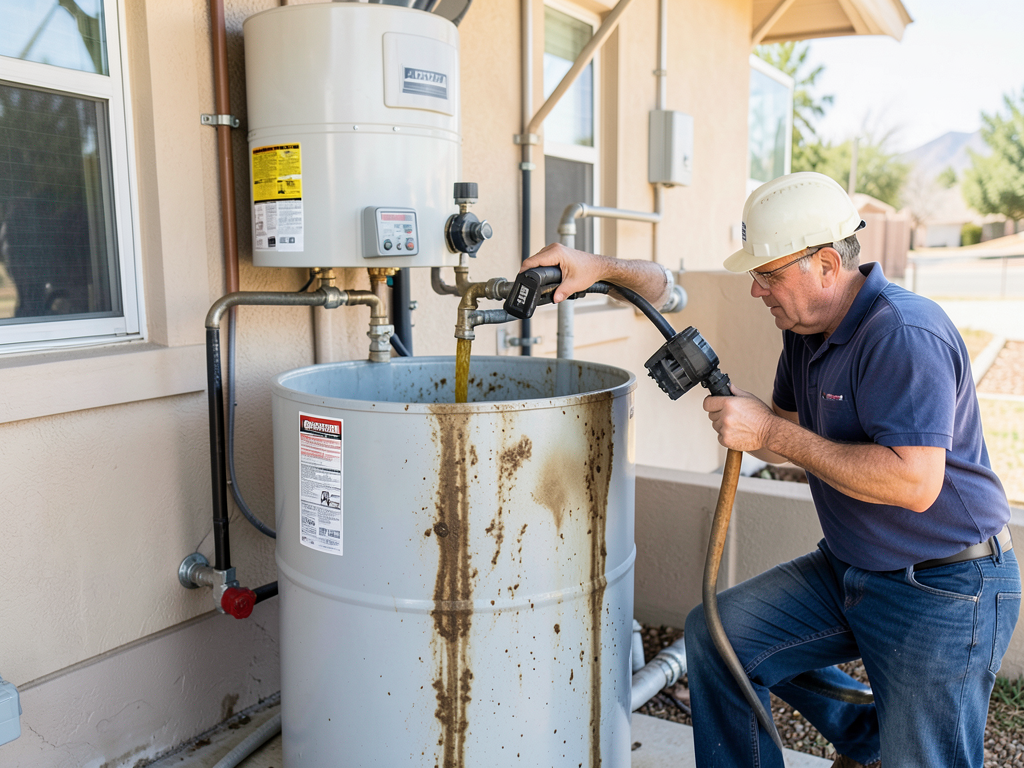
Hard water deposits accumulate inside your pipes like plaque in an artery. Your water heater works harder to heat water through layers of mineral scale. Your dishwasher and washing machine wear out years ahead of schedule. Energy bills creep up as appliances struggle against the mineral buildup.

The advantages of water softening systems go far beyond cosmetic improvements. Soft water prevents pipe corrosion and scale buildup that leads to leaks. It stops the mineral accumulation that chokes off water flow and forces your water heater to run longer. The pros of water softeners include appliance protection, lower energy consumption, and plumbing systems that last decades longer.

Riverside residents see another challenge. The dry climate means we use more water for landscaping. Hard water makes soil compaction worse and reduces the effectiveness of fertilizers. The reasons to install a water softener extend to your outdoor irrigation efficiency.

Hard water treatment benefits start immediately. Your water heater runs more efficiently. Your plumbing stops accumulating scale. Your appliances last longer. The advantages of soft water compound over time as your entire water system operates the way it was designed to.

Why Riverside's Hard Water Is Destroying Your Plumbing and Costing You Money
How Water Softening Systems Work and What Makes Them Essential

How Water Softening Systems Work and What Makes Them Essential

A water softener uses ion exchange technology to remove calcium and magnesium before they enter your plumbing system. Hard water flows through a resin tank filled with sodium-charged beads. The beads attract and trap the mineral ions while releasing sodium ions into the water.

This is not a filter. Filters block particles. Ion exchange removes dissolved minerals at the molecular level. The process is continuous and automatic.

When the resin beads become saturated with minerals, the system enters a regeneration cycle. Brine solution flushes through the tank, stripping away the accumulated calcium and magnesium. The waste water drains out. The beads recharge with sodium. The system returns to active softening.

Modern water softeners meter your actual water usage. They regenerate based on demand, not arbitrary schedules. This saves salt and water compared to older timer-based units.

The advantages of water softening systems depend on proper sizing. An undersized unit regenerates too often and wears out faster. An oversized unit wastes salt and water. We calculate the correct capacity based on your household size, peak water demand, and Riverside's specific water hardness levels.

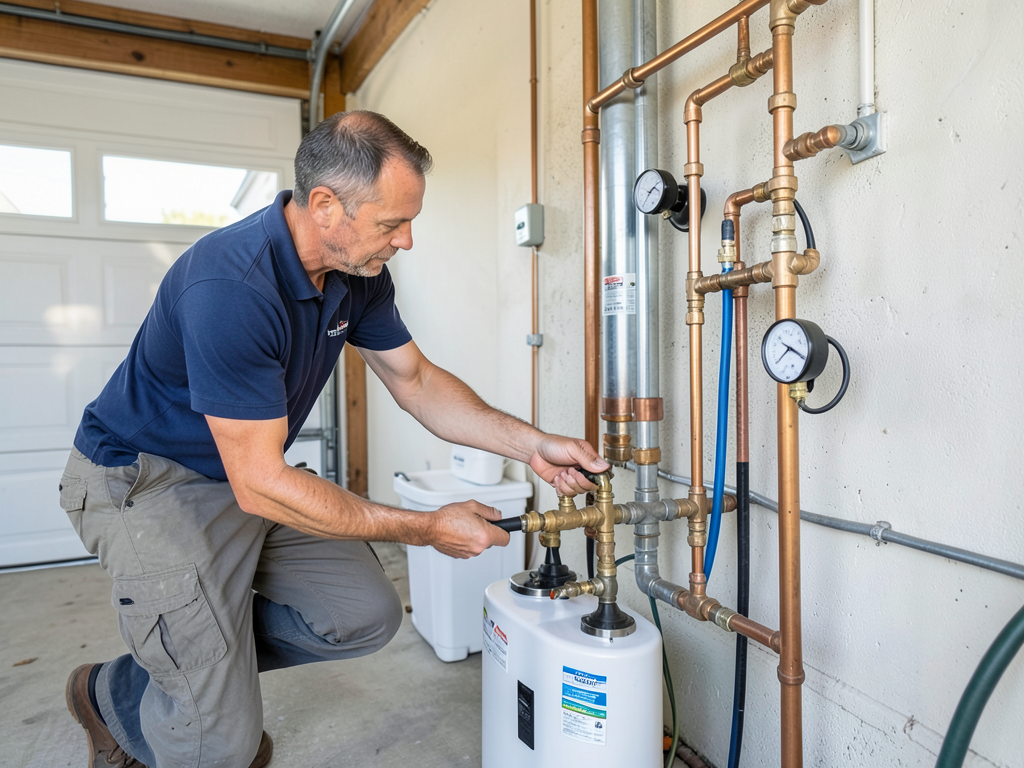
Installation location matters. The softener must treat water before it reaches your water heater and appliances. We install after the main shutoff but before the first branch line. This protects your entire system while maintaining unsoftened water for your exterior hose bibs.

The pros of water softeners include reduced soap usage, cleaner dishes, softer laundry, and healthier skin and hair. But the hard water treatment benefits that matter most are the ones you don't see. Protected pipes. Efficient appliances. A water heater that lasts 15 years instead of 8.

What Happens When You Schedule a Water Softener Consultation

Benefits of Water Softeners in Riverside – Protect Your Plumbing and Cut Energy Costs by Up to 30%
01

Water Testing and Analysis

We test your water directly from the tap using calibrated hardness strips and digital TDS meters. Riverside's water hardness varies by neighborhood and source. We measure grains per gallon, total dissolved solids, and iron content. This data determines the exact type and capacity of softener you need. We also inspect your current plumbing layout to identify the optimal installation point where we can treat water before it reaches appliances and fixtures.
02

System Sizing and Selection

We calculate your peak water demand based on household size, bathroom count, and appliance inventory. A family of four needs different capacity than a couple or a large household. We match this to a softener rated for Riverside's hardness levels. The system must handle your worst-case demand without running out of soft water. We specify the resin tank size, brine tank capacity, and regeneration frequency. This prevents undersizing that causes hard water breakthrough or overssizing that wastes resources.
03

Installation and Calibration

We install the softener on your main water line after the shutoff valve and pressure regulator. We connect the drain line, fill the brine tank with salt, and program the control head for your specific water conditions. The system runs through an initial regeneration cycle to prepare the resin bed. We test output water to confirm hardness reduction to 0-3 grains per gallon. You get documentation showing before and after hardness levels and instructions for salt refills and maintenance schedules.

Why Evergreen Plumbing Riverside Understands Your Water Chemistry

Riverside's water supply comes from multiple sources. The areas around Arlington and La Sierra pull from different wells than neighborhoods near downtown. Hardness levels vary by 50 to 100 parts per million depending on your location.

We have tested water in every major neighborhood from Orangecrest to Hunter Park. We know which areas deal with iron staining on top of hardness. We know where the city blends well water with imported supply. This matters because iron requires different treatment media than calcium and magnesium alone.

Generic water softener companies install the same unit everywhere. We size systems for your actual conditions. A home near Victoria Avenue needs different capacity than a home in Wood Streets. The mineral content is different. The pipe materials are different. The water pressure is different.

Riverside's building codes require specific backflow prevention and drain connections for water softeners. We install to county standards and pull permits when required. This protects your investment and prevents problems during home sales or inspections.

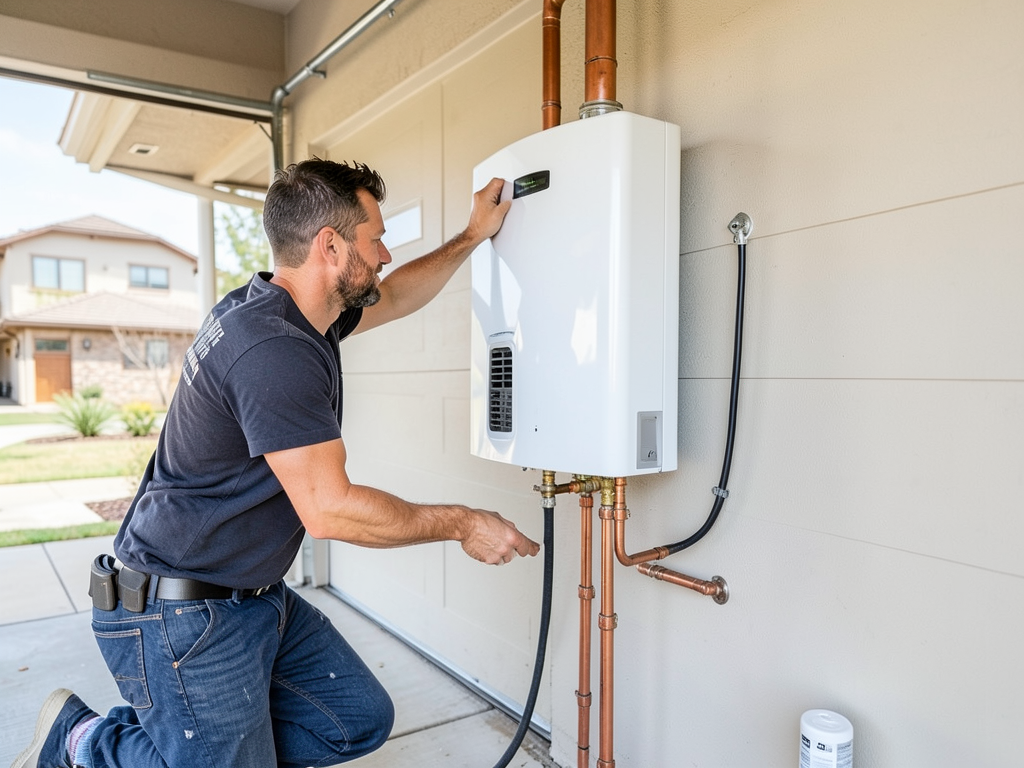
The advantages of soft water extend to every fixture and appliance. Your tankless water heater operates at peak efficiency without scale buildup. Your washing machine uses less detergent. Your shower doors stay clear. Your plumbing system stops accumulating the mineral deposits that cause pinhole leaks in copper pipes.

We service what we install. When you need salt delivery, resin replacement, or control head repairs, we respond. Many homeowners discover their water softener stopped working years ago and they never noticed. We provide annual testing to confirm your system still delivers the hard water treatment benefits you paid for.

Your water chemistry is specific to your location. Your water softener should be too.

What to Expect from Professional Water Softener Installation

Installation Timeline and Scheduling

Most water softener installations take 3 to 5 hours from start to finish. We shut off your main water supply, cut into the line after your pressure regulator, and install the bypass assembly. We connect drain lines, fill the brine tank, and program the control head. Your water stays off for 2 to 3 hours during active plumbing work. We schedule installations during your preferred time window. Morning appointments typically finish by early afternoon. You have soft water by the same evening. We stock common softener models for quick turnaround after your consultation.

Water Testing and System Calibration

We test your incoming water hardness at installation using calibrated test strips and digital meters. Riverside water typically measures between 180 and 250 parts per million total hardness. We program your control head to regenerate based on your specific hardness level and calculated daily water usage. After installation, we run a manual regeneration cycle to charge the resin bed. We test your output water to confirm hardness reduction to 0 to 3 grains per gallon. You receive documentation showing before and after readings. This baseline confirms your system works correctly from day one.

Water Quality Improvement Results

You notice immediate changes in water feel and performance. Soap lathers better. Dishes dry without spots. Laundry feels softer without fabric softener. Showers leave less soap scum buildup. The long-term advantages of water softening systems appear over months and years. Your water heater efficiency improves as existing scale gradually dissolves. Your pipes stop accumulating new mineral deposits. Appliances last longer because they operate without fighting mineral buildup. Energy bills drop as your water heater reaches temperature faster. The reasons to install a water softener become obvious within the first billing cycle.

Ongoing Maintenance and Support

Water softeners require minimal maintenance. You add salt to the brine tank when levels drop below one-quarter full. Most households use 40 to 60 pounds of salt monthly. We provide salt recommendations based on your water usage and system size. The resin bed lasts 10 to 15 years with proper care. Control heads rarely fail but carry manufacturer warranties when they do. We offer annual service checks to test output water hardness and verify regeneration cycles. This catches problems before you experience hard water breakthrough. We also provide emergency repairs if your system stops working or starts leaking.

Frequently Asked Questions

You Have Questions,
We Have Answers

What are the downsides of a water softener? +

Water softeners require ongoing maintenance and salt replenishment. The sodium added during ion exchange can affect taste and may concern people on low-sodium diets. Softened water feels slippery, which some find uncomfortable. The system uses water during regeneration cycles, increasing usage. Initial installation costs range from equipment to professional setup. In Riverside, where water hardness varies by neighborhood, you need proper sizing to avoid wasted salt or insufficient softening. Discharge brine can impact septic systems if not managed correctly. You also lose beneficial minerals like calcium and magnesium that hard water naturally provides.

Is it healthier to drink hard or soft water? +

Neither is universally healthier. Hard water contains calcium and magnesium, which support bone and heart health. Soft water has reduced mineral content but lower sodium than many assume. Most softened water adds 12-50 mg of sodium per 8-ounce glass, depending on original hardness. For Riverside residents with high blood pressure or sodium restrictions, this matters. Hard water can dry skin and hair but provides dietary minerals. Soft water feels better for bathing but lacks those minerals. If you soften your water, keep one tap unsoftened for drinking and cooking to maintain mineral intake.

Does water softener have health benefits? +

Water softeners provide indirect health benefits through improved skin and hair condition. Soft water reduces soap scum and allows thorough rinsing, which helps people with eczema, psoriasis, or sensitive skin. You use less soap and shampoo, reducing chemical exposure. Soft water prevents mineral buildup in pipes, reducing potential contaminants from corroded plumbing. In Riverside, where hard water is common, residents report fewer skin irritations after installation. Soft water does not directly cure health conditions but creates a gentler bathing environment. The reduced need for harsh cleaning chemicals also improves indoor air quality in your home.

Who should not drink softened water? +

People on sodium-restricted diets should avoid drinking softened water. This includes individuals with high blood pressure, heart disease, kidney problems, or those following doctor-prescribed low-sodium plans. Infants should not consume softened water for formula preparation because their kidneys cannot process excess sodium. Pregnant women monitoring sodium intake should also use unsoftened water for drinking. In Riverside, installing a bypass tap at your kitchen sink solves this problem. You get soft water for bathing and laundry while keeping unsoftened water for drinking and cooking. Talk to your doctor if you have health concerns about water sodium content.

Why are states banning water softeners? +

No states have banned residential water softeners outright. Some communities restrict salt-based softeners due to environmental concerns about brine discharge into wastewater systems. California regulates but does not ban them. Cities like Santa Clarita and parts of the San Francisco Bay Area have implemented discharge limits. Riverside County allows water softeners with proper installation. The concern centers on chloride levels in recycled water affecting agriculture and ecosystems. Some areas require high-efficiency softeners that use less salt or alternative systems like salt-free conditioners. Always check local regulations before installation, as municipal codes vary throughout Riverside.

How long does a 40 lb bag of water softener salt last? +

A 40-pound bag lasts one to two months for an average household, depending on water hardness and usage. In Riverside, where hardness levels vary from 7 to 20 grains per gallon depending on your water source, consumption differs by neighborhood. A family of four using 80 gallons daily with moderate hardness goes through a bag every six to eight weeks. Higher hardness or larger families deplete salt faster. Your softener regenerates based on water volume treated, not time. Check your brine tank monthly and refill before it runs empty to maintain performance and prevent hard water breakthrough.

Can you brush your teeth with softened water? +

Yes, brushing your teeth with softened water is safe and effective. The sodium content is too low to cause concern during oral hygiene. Soft water actually rinses toothpaste more thoroughly than hard water, leaving less residue. You may notice a different mouthfeel because soft water lacks the mineral taste. In Riverside, where municipal water often contains high mineral content, residents report cleaner-feeling teeth after switching to softened water. The slippery texture some people notice does not indicate a problem. If taste concerns you, keep one tap unsoftened for drinking while enjoying soft water benefits throughout your home.

What are 5 signs of hard water? +

Watch for soap scum on shower doors and fixtures that resists cleaning. White scale buildup appears on faucets, showerheads, and inside appliances like coffee makers. Your dishes and glassware show water spots and cloudy film after washing. Laundry feels stiff and looks dingy despite detergent use. You experience dry, itchy skin and dull hair after bathing. Riverside water hardness varies by area, with some neighborhoods seeing severe mineral deposits on fixtures within months. You may also notice reduced water pressure as scale accumulates inside pipes. These signs indicate your water contains high calcium and magnesium levels requiring treatment.

What is the #1 healthiest water to drink? +

Filtered tap water provides the healthiest, most sustainable drinking option for most people. It removes contaminants while retaining beneficial minerals and avoids plastic bottle waste. Reverse osmosis systems deliver very pure water but strip all minerals. Spring water offers natural minerals but varies in quality and creates environmental impact through bottling. In Riverside, municipal water meets safety standards but benefits from point-of-use filtration to remove chlorine taste and potential pipe contaminants. Keep one unsoftened tap with a quality filter for drinking. Avoid relying solely on bottled water. The healthiest choice combines safety, mineral content, and environmental responsibility.

Who should not use a water softener? +

People with sodium-restricted diets, kidney disease, heart conditions, or high blood pressure should not use softened water for drinking and cooking. Infants and pregnant women should avoid it due to added sodium from ion exchange. Those on well water with naturally high sodium should test before softening. Riverside residents with specific health conditions should consult doctors before installation. If you need soft water benefits but have health restrictions, install a bypass valve at your kitchen sink or use a salt-free water conditioner. These alternatives provide scale prevention without adding sodium. Always test your water hardness and sodium levels before choosing a treatment system.

Why Riverside's High Mineral Content Makes Water Softeners Essential for Home Protection

Riverside sits in the Santa Ana River watershed where groundwater percolates through limestone and mineral-rich geological formations. This creates water hardness levels that rank among the highest in California. The city's water supply routinely exceeds 200 parts per million, far above the 60 parts per million threshold where scale buildup begins. Homes near the Arlington area and along the Victoria Avenue corridor experience even harder water due to specific well sources. The advantages of soft water matter more here than in coastal cities where imported water arrives pre-treated. Without softening, Riverside homes experience accelerated appliance failure, pipe corrosion, and energy waste.

Evergreen Plumbing Riverside has installed water softeners in every neighborhood from Canyon Crest to La Sierra South. We work with the mineral profiles specific to your water district. We know which areas require iron filters in addition to standard softening. We understand Riverside County plumbing codes for backflow prevention and drain connections. We pull permits when required for major installations. Our work passes inspection because we install to code the first time. The hard water treatment benefits you receive depend on proper system sizing and installation quality. National chains install generic systems. We install for your specific address and water chemistry.
Plumbing Services in The Riverside Area

We are proud to serve the entire Riverside community and its surrounding areas. Our local presence ensures we can provide swift and efficient service when you need it most. You can view our service area on the map to see if we cover your location. We're dedicated to bringing professional plumbing solutions right to your doorstep.

Address:
Evergreen Plumbing Riverside, 3400 Central Ave, Riverside, CA, 92506

Additional Services We Offer

Our news updates

Latest Articles & News from The Blogs

Why that PVC pipe dripping near your Sycamore Highlands foundation needs attention Seeing water dripping from a PVC pipe near…

Why that PVC pipe dripping near your Sycamore Highlands foundation needs attention

Why that PVC pipe dripping near your Sycamore Highlands foundation needs attention Seeing water dripping from a PVC pipe near…

Using your water meter to check for hidden leaks in your Northside property

Using your water meter to check for hidden leaks in your Northside property Finding a hidden water leak in your…

Why pouring liquid grease down your Eastside kitchen drain is a recipe for disaster

Why pouring liquid grease down your Eastside kitchen drain is a recipe for disaster Eastside Riverside homeowners face a hidden…

Contact Us

Your appliances are failing faster than they should. Your energy bills climb every year. Your plumbing accumulates scale that will eventually cause leaks. Call Evergreen Plumbing Riverside at (951) 309-5599 now. We test your water, size your system correctly, and install it right the first time.