






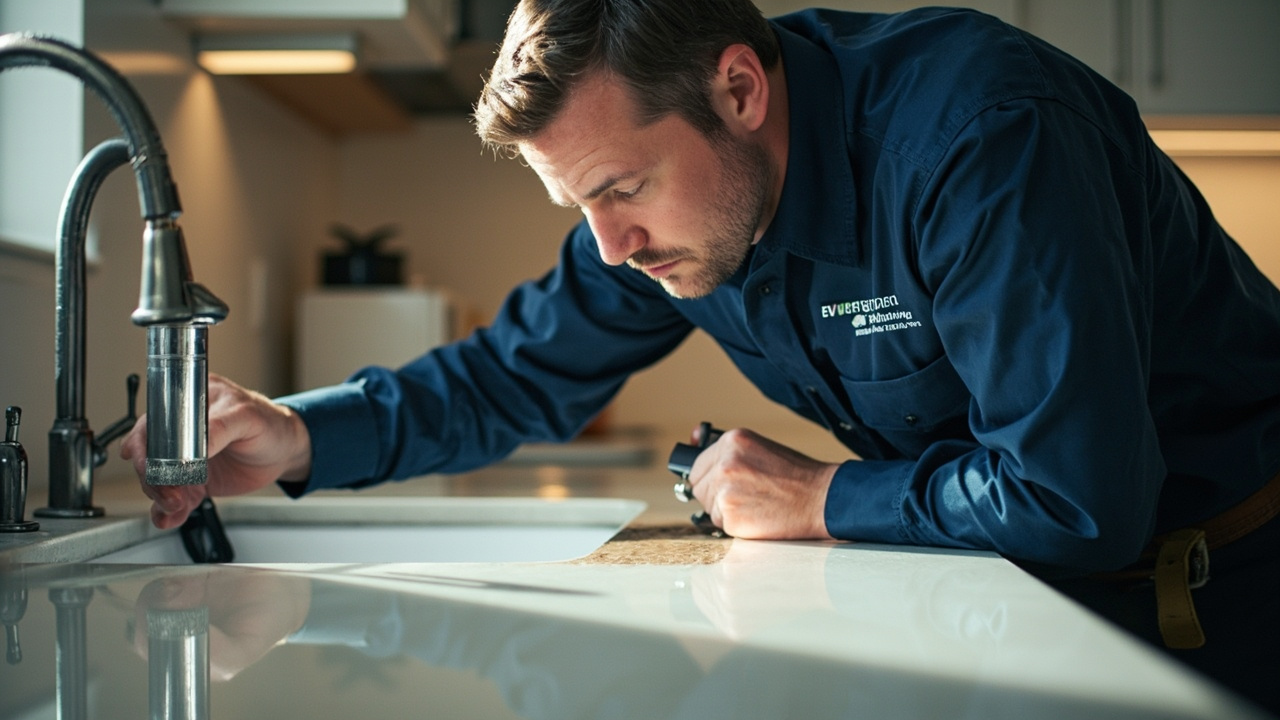
Riverside sits on deep alluvial deposits from ancient Santa Ana River flooding. This soil contains layers of sand, gravel, and clay that expand and contract with moisture changes. During winter rains, clay layers absorb water and swell. During summer drought, they shrink. This seasonal movement stresses underground drain lines. PVC pipes flex. Cast iron pipes crack at joints. Clay sewer laterals separate at connections. These movements create bellies where water pools and biofilm grows. The bacteria in these stagnant pools produce hydrogen sulfide gas that escapes through failed joints or vents directly into your home. Soil movement also explains why odor problems often worsen after heavy rain, when shifting soil compresses or displaces drain lines.
Riverside's diverse housing stock requires specialized knowledge. The historic neighborhoods near Downtown contain homes from six different decades, each built to different plumbing standards. A plumber who learned the trade in Arizona or Nevada encounters systems here they have never seen. Evergreen Plumbing Riverside trains specifically on Riverside construction methods and local code history. We know which repairs require permits, which vent configurations meet current standards, and how to modify old systems without creating new problems. This expertise matters when you need repairs done right the first time, without callbacks or code violations that complicate future property sales.