




menu

Water Heater Maintenance Tips in Riverside | Protect Your Unit from Hard Water and Sediment Damage

Learn the exact preventative water heater maintenance steps Riverside homeowners need to combat mineral buildup, extend tank life, and avoid emergency failures caused by the region's hard water conditions.

Slider Image 1
Slider Image 2
Slider Image 3
Slider Image 4
Slider Image 5
Slider Image 7
Slider Image 8
Slider Image 9
Slider Image 10
Slider Image 11

Why Riverside Water Destroys Water Heaters Faster

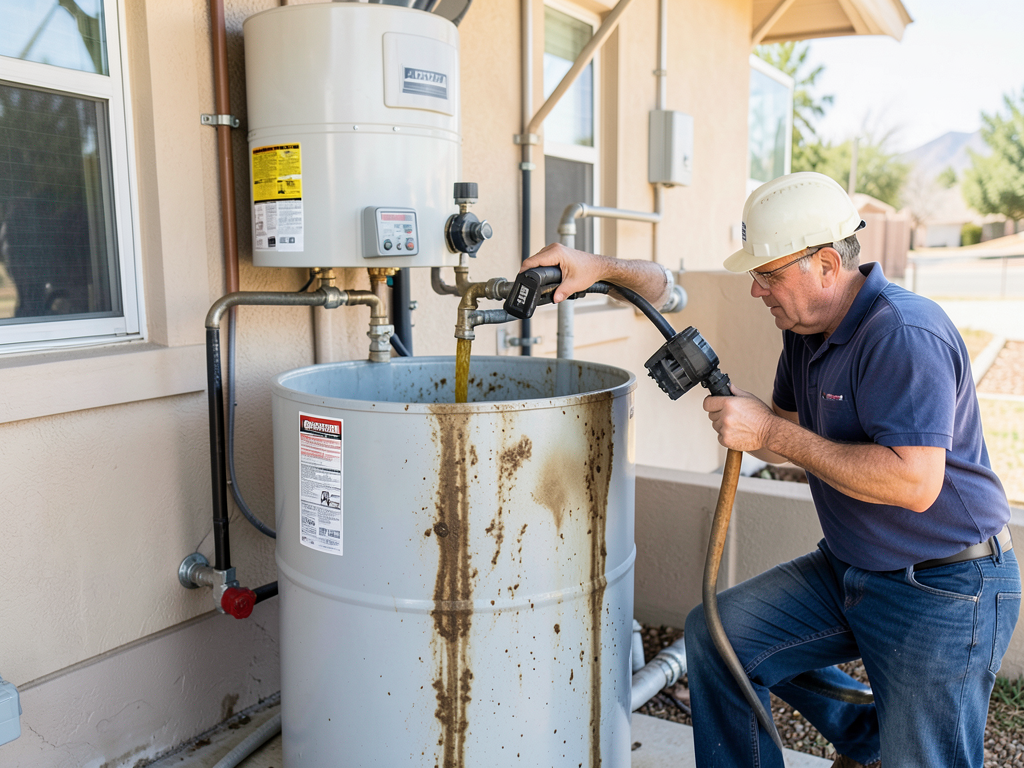
Riverside's municipal water supply carries high concentrations of calcium and magnesium. These minerals settle inside your water heater tank as sediment, creating three serious problems. First, the buildup acts as an insulator between the burner and the water, forcing your unit to work harder and consume more energy. Second, sediment traps moisture against the tank floor, accelerating corrosion and shortening tank life by years. Third, the debris clogs drain valves and reduces capacity, leaving you with less hot water during peak demand.

Most Riverside homeowners notice the rumbling or popping sounds caused by water boiling beneath hardened sediment layers. By the time you hear these noises, significant damage has occurred. Without a water heater maintenance schedule, tanks in our area typically fail between years eight and ten, well short of their potential lifespan.

Hot water heater upkeep is not optional in Riverside. The question is whether you invest 30 minutes twice a year in preventative water heater maintenance or thousands of dollars in premature replacement. The water chemistry in our region makes hot water tank maintenance a survival issue for your equipment. Homes near the Santa Ana River corridor and areas serviced by Western Municipal Water District face particularly aggressive mineral content. A water heater care checklist adapted to local conditions gives you control over equipment longevity and performance.

Why Riverside Water Destroys Water Heaters Faster
The Five Critical Maintenance Actions

The Five Critical Maintenance Actions

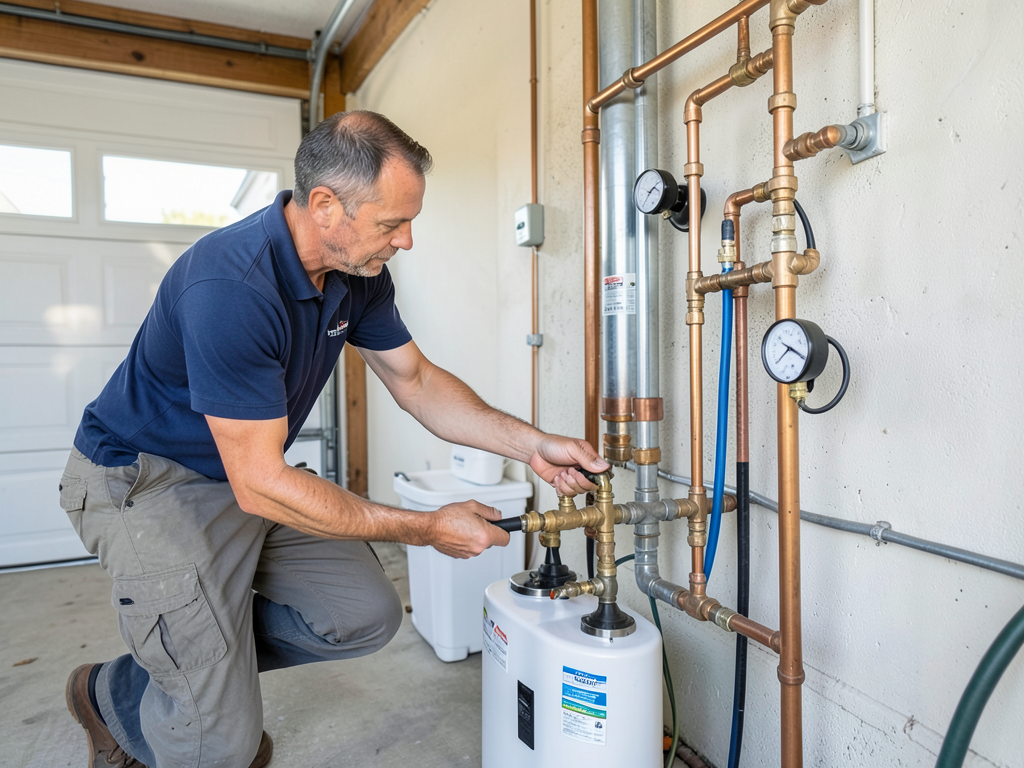
Effective water heater maintenance in Riverside focuses on removing sediment, testing safety systems, and addressing minor issues before they cascade. Start with tank flushing. Attach a garden hose to the drain valve, open the valve, and flush until the water runs clear. In Riverside's hard water environment, you need to do this every six months. If you wait a full year, the sediment hardens into a concrete-like layer that resists flushing.

Test the temperature and pressure relief valve quarterly. Lift the lever and confirm water discharges through the overflow pipe. A stuck TPR valve represents a catastrophic failure point. Replace any valve that does not operate smoothly.

Check the anode rod annually. This sacrificial component attracts corrosive elements that would otherwise attack the tank lining. In Riverside water, anode rods deteriorate quickly. If less than half an inch of core wire remains exposed, replacement is overdue. Most homeowners never inspect this component until the tank develops leaks.

Adjust the thermostat to 120 degrees. Higher settings accelerate mineral precipitation and waste energy. Lower settings risk bacterial growth. Inspect all visible pipes and connections for moisture, corrosion, or mineral crust. Tighten loose fittings immediately. Small drips evolve into major leaks.

Finally, insulate your tank and the first six feet of hot water pipes. Riverside temperatures swing dramatically between summer and winter. Insulation reduces standby heat loss and protects against condensation. These actions form a complete hot water heater upkeep protocol designed specifically for our water conditions.

How to Build Your Maintenance Routine

Water Heater Maintenance Tips in Riverside | Protect Your Unit from Hard Water and Sediment Damage
01

Schedule and Prepare

Mark your calendar for April and October maintenance sessions to align with seasonal transitions. Gather your tools: garden hose, bucket, adjustable wrench, and flashlight. Turn off the gas supply or circuit breaker and allow the water to cool for two hours. Attempting hot water tank maintenance on an active, heated unit creates scalding risks. Preparation prevents injuries and ensures you complete each task properly.
02

Execute Core Tasks

Drain three to five gallons through the tank drain valve, watching for sediment clarity. Test the TPR valve operation and inspect the anode rod through the access port. Check thermostat settings and scan all connections for leaks or corrosion. Document what you find. Photos of the anode rod condition help you track degradation rates. Riverside's water chemistry creates predictable wear patterns you can anticipate with good records.
03

Review and Adjust

Compare your findings against the previous session. If sediment volume increased dramatically, move to quarterly flushing. If the anode rod shows rapid deterioration, plan for replacement within six months. Adjust your water heater maintenance schedule based on actual performance data from your specific unit and water supply. Generic timelines fail in Riverside because mineral content varies significantly across different water districts and well sources.

Why Local Knowledge Changes Everything

Evergreen Plumbing Riverside understands how the Inland Empire's unique water chemistry impacts equipment differently than coastal or mountain communities. We work daily with tanks damaged by sediment accumulation that follows predictable patterns based on your specific water source. Homes supplied by groundwater wells face different challenges than those connected to Colorado River aqueduct water treated by municipal systems.

Our technicians recognize the early warning signs other providers miss. We know which anode rod compositions last longest in Riverside water. We understand that the same maintenance interval recommended for San Diego fails here because our total dissolved solids count runs significantly higher. When you follow generic advice written for national audiences, you apply solutions designed for different problems.

We also stay current with local code requirements and manufacturer specifications that impact warranty coverage. Improper maintenance voids most warranties, leaving homeowners financially exposed. Following a water heater care checklist that meets manufacturer standards protects your investment.

Riverside homeowners who attempt DIY maintenance sometimes overtighten drain valves, strip anode rod threads, or misadjust thermostats. These errors create bigger problems than they solve. Professional guidance ensures you perform each task correctly without damaging components. We teach you which tasks you can safely handle and which require licensed intervention.

The cost difference between preventative water heater maintenance and emergency replacement is substantial. Our approach focuses on extending equipment life through informed action based on local conditions you face daily.

What Proper Maintenance Delivers

Extended Equipment Life

Consistent hot water tank maintenance in Riverside conditions extends functional life from eight to fifteen years. You delay the capital expense of replacement by seven years through biannual flushing, annual anode rod inspection, and quarterly safety checks. The time investment totals less than three hours annually, but the financial return measures in thousands of dollars. Units receiving regular care maintain efficiency ratings throughout their service life instead of degrading steadily as sediment accumulates and components corrode.

Lower Energy Costs

Sediment buildup forces your water heater to consume 15 to 30 percent more energy to achieve the same temperature output. Removing deposits twice yearly maintains thermal transfer efficiency. Your burner or heating element works less to heat more water. Over a year, this translates to measurable utility savings. Proper thermostat settings compound these gains. The combined effect of sediment removal and correct temperature control reduces operating costs without sacrificing performance or hot water availability during peak demand periods.

Fewer Emergency Failures

Most water heater failures in Riverside occur suddenly but result from gradual deterioration you can detect and address. A working TPR valve prevents tank explosions caused by excessive pressure. A functional anode rod stops internal corrosion before it penetrates the tank wall. Early leak detection at connections prevents water damage to surrounding structures. Following a systematic water heater care checklist transforms catastrophic failures into planned replacements you control. You choose the timing, avoid emergency service premiums, and prevent secondary damage from flooding.

Better Hot Water Delivery

Sediment displaces water volume in your tank. A 50-gallon heater with six gallons of sediment delivers only 44 gallons of usable hot water. You run out during showers or dishwasher cycles and blame the equipment when the real problem is maintenance neglect. Flushing restores full capacity. Insulation reduces standby heat loss, keeping water hotter longer. Proper maintenance means your water heater performs as designed instead of operating in a degraded state you accept as normal. The difference is noticeable during back-to-back showers or heavy usage periods.

Frequently Asked Questions

You Have Questions,
We Have Answers

What maintenance needs to be done on a water heater? +

Your water heater needs routine maintenance to extend its lifespan and prevent breakdowns. Flush the tank annually to remove sediment buildup, which is common in Riverside due to hard water minerals in our municipal supply. Test the temperature-pressure relief valve to confirm it releases properly. Inspect the anode rod every three years and replace it when corroded. Check for leaks around fittings and the base of the tank. Adjust the thermostat to 120 degrees for efficiency and safety. Inspect the venting system on gas units for blockages or corrosion.

What happens if you don't flush your water heater? +

Skipping water heater flushing lets sediment accumulate at the tank bottom. Riverside's hard water contains calcium and magnesium that settles and hardens over time. This sediment layer insulates the heating element or burner from the water, forcing your unit to work harder and driving up energy bills. You will hear popping or rumbling noises as water bubbles through the sediment. The buildup accelerates tank corrosion, causing premature failure and leaks. Sediment also reduces storage capacity and hot water output. Neglected tanks fail years earlier than maintained units.

How often should I flush a water heater? +

Flush your water heater once per year under normal conditions. Riverside residents should consider flushing every six to nine months because our water has higher mineral content than many areas. If you notice reduced hot water volume, strange noises, or discolored water, flush immediately. Homes with well water or softener systems may need different schedules. Check your manufacturer's recommendations, as some newer models have specific requirements. Annual flushing prevents sediment from hardening into a concrete-like layer that damages the tank and reduces efficiency.

Can I do water heater maintenance myself? +

You can perform basic water heater maintenance if you follow safety protocols. Tasks like flushing the tank, testing the pressure relief valve, and adjusting the thermostat are manageable for most homeowners. Turn off power or gas before starting work. However, Riverside building codes require licensed professionals for certain tasks. Replacing the anode rod, inspecting gas connections, or working on electrical components should be left to professionals. Hard water conditions in our area can complicate maintenance if sediment has solidified. When uncertain, hire a licensed plumber to avoid voiding warranties or creating safety hazards.

Can I flush my hot water heater myself? +

You can flush your water heater yourself with basic tools and safety awareness. Turn off the power or gas supply first. Attach a garden hose to the drain valve and run it outside or to a floor drain. Open the valve and let water drain until it runs clear, which may take 20 to 40 minutes. In Riverside, sediment buildup can be stubborn due to hard water. If the valve clogs or you encounter problems, stop and call a professional. Improper flushing can damage the tank or create flooding.

What is the average cost to flush a water heater? +

Professional water heater flushing in Riverside typically ranges based on tank size, access difficulty, and sediment levels. The service includes draining the tank, clearing blockages, inspecting components, and testing the pressure relief valve. Costs increase if the drain valve is corroded or sediment has hardened due to years of neglect. Some plumbers bundle flushing with annual maintenance inspections. While costs vary, regular flushing prevents expensive emergency repairs and extends your tank's lifespan, making it a worthwhile investment for Riverside homeowners dealing with hard water.

Should I flush a 20 year old water heater? +

Flushing a 20-year-old water heater carries risks. If the tank has never been flushed, disturbing decades of sediment can dislodge buildup that was sealing small corrosion holes, causing sudden leaks. The drain valve may be too corroded to close properly after opening. Most tanks last 10 to 15 years in Riverside due to hard water stress. At 20 years, plan for replacement rather than maintenance. If you want to attempt flushing, hire a professional who can assess the tank's condition and have replacement options ready if problems occur.

How much does a plumber charge to flush it? +

Plumbers in Riverside charge for water heater flushing based on several factors. The service includes draining the tank, inspecting the anode rod and pressure relief valve, clearing sediment, and checking for leaks. Costs increase if the drain valve needs replacement or if severe sediment buildup requires extra time. Emergency or after-hours service costs more. Geographic factors like access difficulty or tankless systems affect pricing. Many plumbers offer maintenance plans that bundle flushing with annual inspections at reduced rates. Regular flushing saves money compared to premature tank replacement.

Is flushing the same as draining? +

Flushing and draining are related but different processes. Draining empties the tank completely, usually for winterization, repairs, or replacement. Flushing removes sediment by opening the drain valve while water continues flowing through the tank, stirring up and washing out mineral deposits. You might drain and refill the tank multiple times during a thorough flush. In Riverside, where hard water creates heavy sediment, proper flushing requires agitating the buildup, not just emptying the tank once. Effective flushing continues until discharge water runs clear.

Do most people flush their water heaters? +

Most homeowners neglect water heater flushing, which shortens tank lifespan and increases energy costs. National surveys show fewer than 20 percent of households perform annual maintenance. In Riverside, where hard water accelerates sediment buildup, this neglect causes premature failures. Many people are unaware flushing is necessary or assume maintenance-free operation. Others intend to flush but postpone the task indefinitely. This explains why water heaters often fail years before their expected lifespan. Homeowners who maintain their tanks through annual flushing see better performance, lower energy bills, and longer equipment life.

How Riverside's Hard Water Accelerates Tank Deterioration

Riverside County consistently ranks among California's hardest water regions, with concentrations frequently exceeding 200 parts per million of dissolved minerals. This creates aggressive scaling inside water heaters that soft water areas never experience. Homes in the La Sierra, Canyon Crest, and Orangecrest neighborhoods face particularly challenging conditions due to well water supplementation during peak demand. The mineral composition here differs from coastal communities, requiring adapted maintenance intervals and different flushing techniques to clear crystallized deposits that standard procedures cannot remove.

Local plumbing codes require TPR valve discharge pipes to terminate outside or into approved drains, reflecting regional awareness of pressure buildup risks in our climate extremes. Riverside experiences summer garage temperatures exceeding 120 degrees, which affects water heater operation and component longevity differently than moderate climates. Choosing a plumber familiar with these specific conditions matters because generic national guidance fails to account for the environmental factors that define water heater performance in the Inland Empire. We adapt maintenance protocols to the reality of your water supply and climate conditions.
Plumbing Services in The Riverside Area

We are proud to serve the entire Riverside community and its surrounding areas. Our local presence ensures we can provide swift and efficient service when you need it most. You can view our service area on the map to see if we cover your location. We're dedicated to bringing professional plumbing solutions right to your doorstep.

Address:
Evergreen Plumbing Riverside, 3400 Central Ave, Riverside, CA, 92506

Additional Services We Offer

Our news updates

Latest Articles & News from The Blogs

Why that PVC pipe dripping near your Sycamore Highlands foundation needs attention Seeing water dripping from a PVC pipe near…

Why that PVC pipe dripping near your Sycamore Highlands foundation needs attention

Why that PVC pipe dripping near your Sycamore Highlands foundation needs attention Seeing water dripping from a PVC pipe near…

Using your water meter to check for hidden leaks in your Northside property

Using your water meter to check for hidden leaks in your Northside property Finding a hidden water leak in your…

Why pouring liquid grease down your Eastside kitchen drain is a recipe for disaster

Why pouring liquid grease down your Eastside kitchen drain is a recipe for disaster Eastside Riverside homeowners face a hidden…

Contact Us

Schedule a professional maintenance evaluation or learn the correct procedures for your specific unit. Call Evergreen Plumbing Riverside at (951) 309-5599 to discuss a customized hot water heater upkeep plan that addresses your water conditions and equipment type.