



menu

Plumbing Inspection Checklist for Riverside Homes – Catch Problems Before They Cost You Thousands

Your complete residential plumbing checkup list designed for Riverside's hard water and aging infrastructure, helping you identify leaks, corrosion, and hidden damage before minor issues become emergency repairs.

Slider Image 1
Slider Image 2
Slider Image 3
Slider Image 4
Slider Image 5
Slider Image 7
Slider Image 8
Slider Image 9
Slider Image 10
Slider Image 11

Why Riverside Homeowners Need a Preventative Plumbing Maintenance Checklist

Riverside's municipal water supply contains mineral concentrations that exceed state averages. The calcium and magnesium deposits accumulate inside pipes, water heaters, and fixture valves at an accelerated rate. Many homes in the historic neighborhoods near Mount Rubidoux and along Magnolia Avenue were built between 1920 and 1960, with original galvanized steel pipes that corrode from the inside out.

Without a home plumbing inspection list, you cannot see these issues developing. By the time a pipe bursts or a water heater fails, you face emergency repair costs, water damage to drywall and flooring, and potential mold remediation. A residential plumbing checkup list catches corrosion, sediment buildup, and small leaks while they are still manageable.

Riverside's semi-arid climate creates its own challenges. Long dry periods followed by sudden winter rains cause soil expansion and contraction. This shifts foundation slabs and stresses underground supply lines. Homes in areas like Canyon Crest and La Sierra experience slab leaks from ground movement more frequently than homeowners realize.

A plumbing system inspection guide gives you a framework to evaluate every vulnerable point in your water supply and drainage network. You check for active problems and identify components nearing the end of their service life. This approach prevents surprise failures and lets you budget for replacements on your timeline, not during a plumbing emergency at 2 a.m.

Why Riverside Homeowners Need a Preventative Plumbing Maintenance Checklist
The Critical Components Every Plumbing Maintenance Checklist Must Cover

The Critical Components Every Plumbing Maintenance Checklist Must Cover

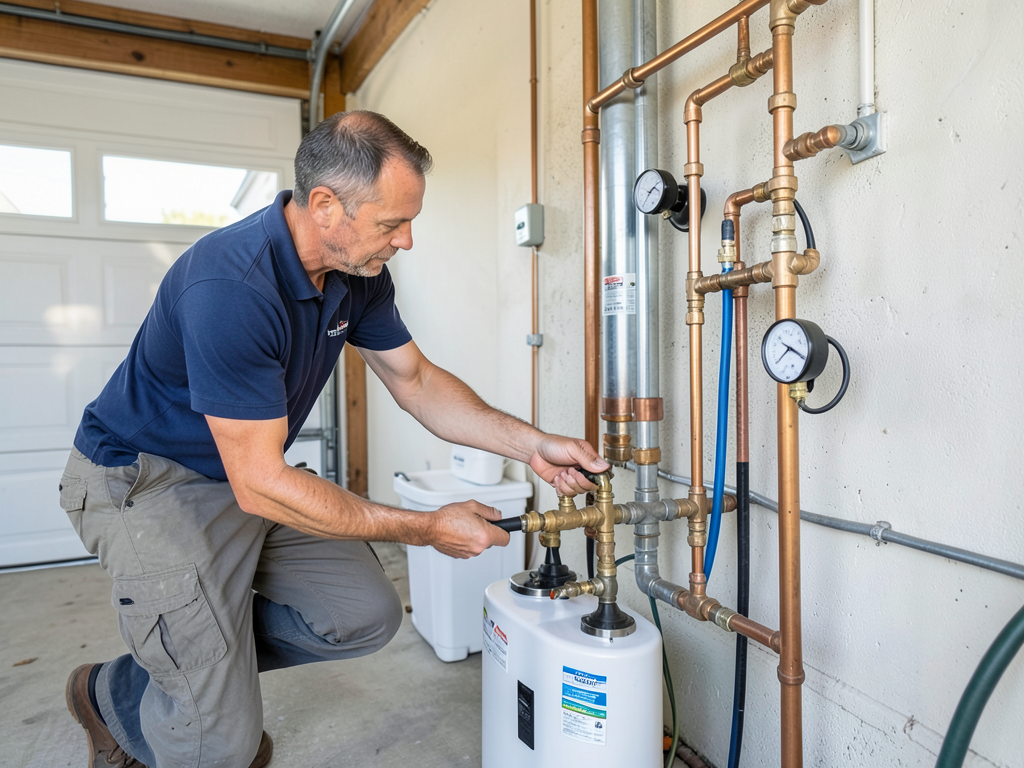
A functional preventative plumbing maintenance checklist addresses both visible fixtures and hidden infrastructure. Start at the water heater. Check the temperature and pressure relief valve for leaks or corrosion. Inspect the anode rod if you can access it. Sediment accumulation at the tank bottom reduces efficiency and shortens the unit's lifespan. In Riverside, mineral-heavy water accelerates this process.

Move to exposed supply lines under sinks and behind toilets. Look for discoloration, pinhole leaks, or moisture on pipe surfaces. Test shut-off valves by turning them off and on. Valves that have not been operated in years often seize or develop leaks when you finally need them during a fixture replacement.

Inspect drain lines for slow drainage. A sluggish drain indicates partial blockage from soap scum, hair, or mineral buildup. Address it before the line stops completely. Check P-traps under sinks for signs of leakage or loose connections. Examine caulking around tubs and showers. Deteriorated caulk lets water penetrate wall cavities and cause structural damage you will not see until it becomes severe.

Test water pressure at multiple fixtures. Pressure above 80 psi stresses pipes, valves, and appliance connections. Pressure below 40 psi suggests a supply line restriction or a failing pressure regulator. Check your irrigation system backflow preventer for leaks. Evaluate exposed piping in crawl spaces or basements for corrosion or condensation. Document everything with photos and dates so you can track changes over time.

How to Execute Your Residential Plumbing Checkup List

Plumbing Inspection Checklist for Riverside Homes – Catch Problems Before They Cost You Thousands
01

Systematic Visual Inspection

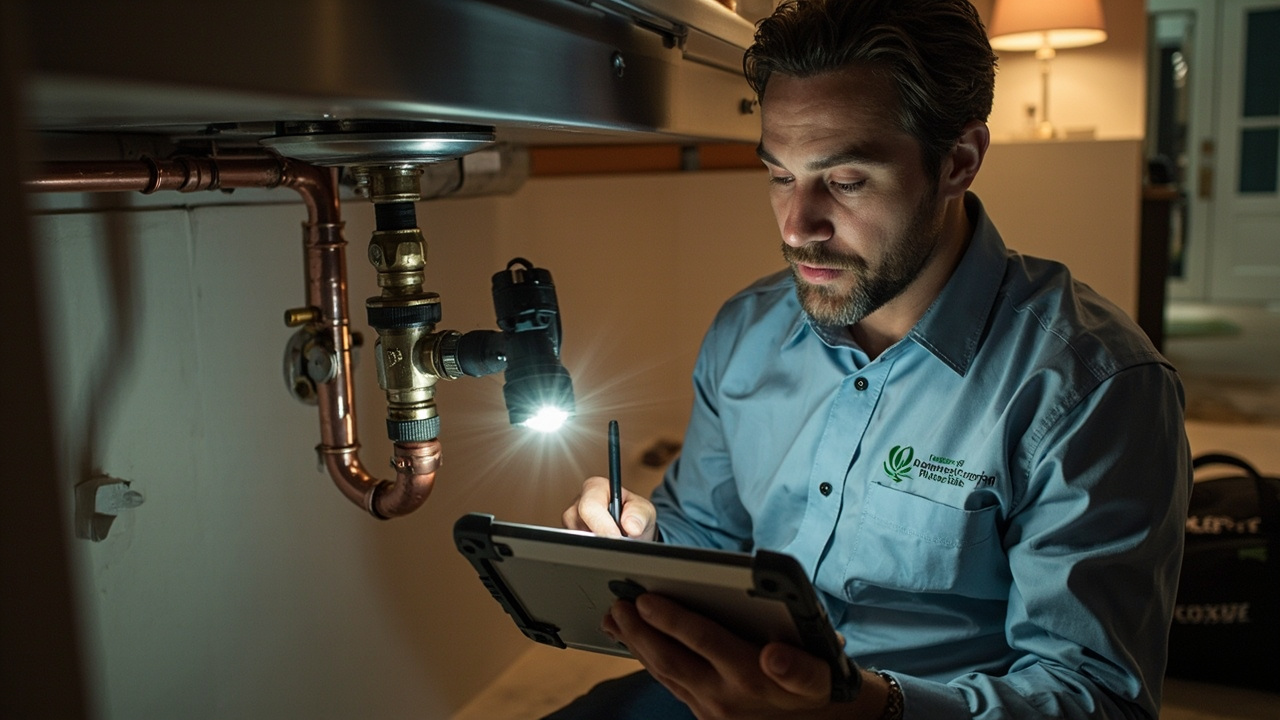
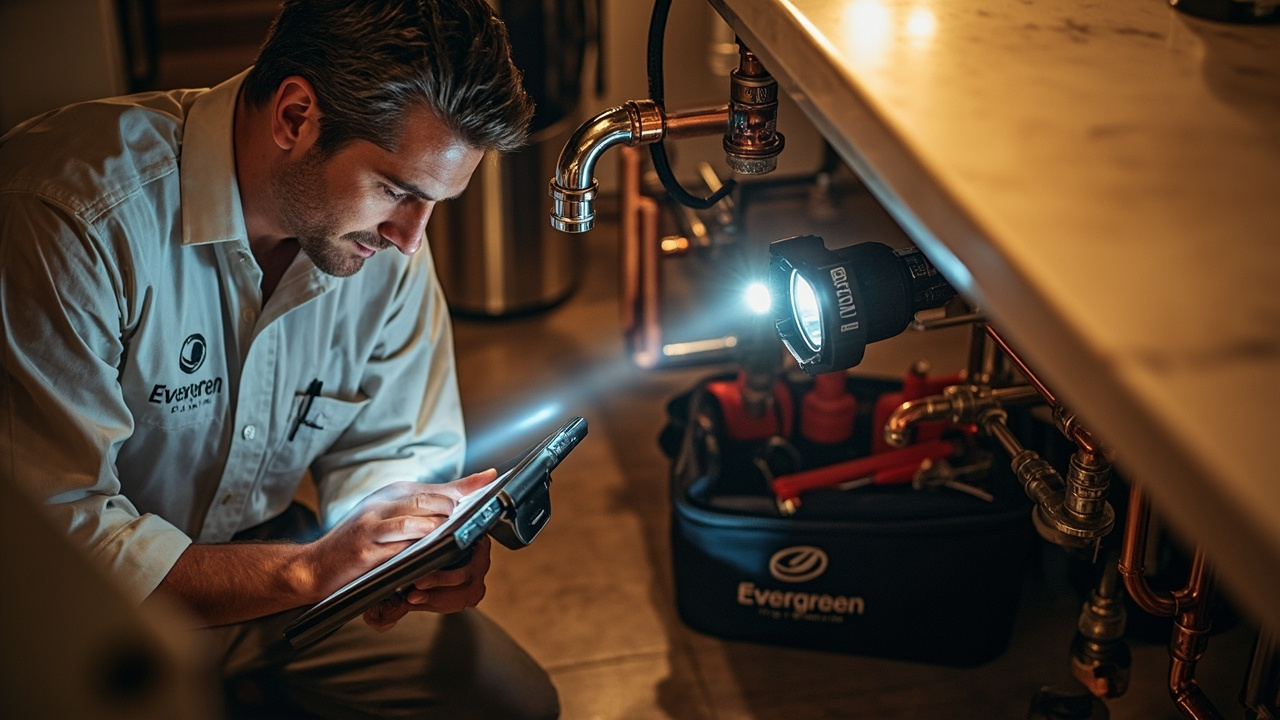
Begin at the water heater and work through each plumbing fixture in sequence. Use a flashlight to examine connections, valves, and exposed piping. Look for water stains, corrosion, mineral deposits, and dampness. Document each location with notes or photos. Check under sinks, behind toilets, around water-using appliances, and in accessible crawl spaces. This methodical approach ensures you do not miss hidden problems that will worsen over time.
02

Functional Testing and Measurement

Test every shut-off valve by turning it through its full range of motion. Operate faucets and flush toilets while listening for unusual sounds like hammering or gurgling. Measure water pressure with a gauge attached to an outdoor hose bib. Run water in sinks and tubs to check drainage speed. Inspect the water heater temperature setting and test the relief valve. These functional tests reveal performance issues that visual inspection alone cannot identify.
03

Documentation and Action Plan

Record your findings in a dated checklist with specific locations and conditions noted. Prioritize issues by severity. Active leaks require immediate attention. Corroded components or failing fixtures need scheduled replacement. Minor maintenance items like caulk repair or aerator cleaning can wait but should not be ignored. This written record becomes your baseline for future inspections and helps you track system deterioration patterns over time.

Why Evergreen Plumbing Riverside Provides the Most Thorough Plumbing System Inspection Guide

We understand Riverside's specific plumbing challenges because we work in these neighborhoods every day. We know which areas have clay soil that shifts during wet seasons and which subdivisions were built with now-obsolete pipe materials. Our technicians recognize the signs of hard water damage that homeowners often miss until a major failure occurs.

When you use our home plumbing inspection list framework, you follow the same evaluation process we use during service calls. We designed this checklist based on the most common failure points we encounter in Riverside homes. We know that water heaters in this area need more frequent maintenance due to mineral content. We know that homes built before 1970 likely have galvanized supply lines approaching failure.

Our approach goes beyond generic national checklists. We account for local building codes and the typical construction methods used during different eras of Riverside's development. A 1950s ranch home in La Sierra has different vulnerabilities than a 1990s tract home in Orangecrest. Our plumbing maintenance checklist addresses both.

We also understand that most homeowners lack the technical knowledge to distinguish between a minor issue and an impending disaster. Our goal with this resource is to help you identify problems early enough that you can make informed decisions. A small leak in a supply line becomes a flooded room if ignored. A partially clogged drain becomes a sewage backup. The preventative approach always costs less than emergency damage control.

What You Gain from Regular Preventative Plumbing Maintenance

Early Problem Detection Saves Money

A structured plumbing system inspection guide performed twice per year catches deterioration before it becomes catastrophic. You identify a weeping water heater connection and tighten it instead of replacing a rusted-through tank and repairing water damage to surrounding areas. You spot a slow drain and clear it with a cable instead of calling for emergency service when sewage backs up into your shower. You notice corrosion on a shut-off valve and replace it during a scheduled service call instead of dealing with a burst pipe and water damage at midnight. The cost difference between preventative maintenance and emergency repair is typically tenfold or more.

Extended Equipment Lifespan Through Maintenance

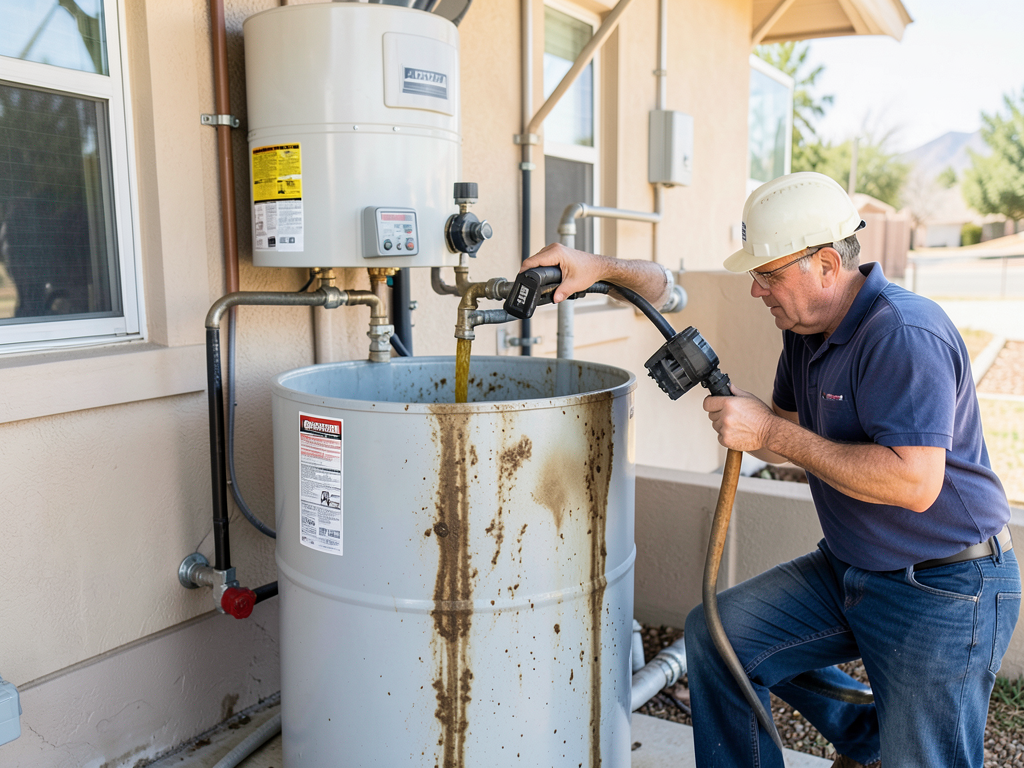
Regular inspections using a residential plumbing checkup list extend the service life of water heaters, fixtures, and supply lines. Flushing sediment from a water heater annually prevents accelerated tank corrosion. Replacing worn valve washers prevents damage to valve seats. Cleaning aerators maintains proper flow and prevents pressure buildup that stresses connections. Testing and replacing anode rods protects water heater tanks from corrosion. These small maintenance actions add years to equipment that represents significant replacement cost. A water heater that fails at 15 years instead of 8 years saves you money and inconvenience.

Documented System History Increases Home Value

Maintaining a dated log of your plumbing maintenance checklist inspections creates a documented service history. When you sell your home, you provide buyers with evidence that the plumbing system received proper care. You demonstrate that you addressed problems promptly and maintained equipment according to manufacturer guidelines. This documentation reduces buyer concerns during inspections and supports your asking price. Buyers pay more for homes with documented maintenance than for homes with unknown system conditions. Your inspection records also help you remember when you last replaced components, so you can plan future budgets accurately.

Water Efficiency and Utility Cost Reduction

A thorough home plumbing inspection list identifies water waste that increases your utility bills. A toilet with a worn flapper wastes gallons per day. A dripping faucet wastes thousands of gallons per year. Low water pressure caused by mineral buildup forces you to run water longer to fill containers or rinse dishes. Leaking irrigation valves waste water and increase your bill without you seeing the problem. Fixing these issues reduces consumption and lowers monthly costs. In Riverside, where water rates continue to increase, eliminating waste provides ongoing savings that compound over years of homeownership.

Frequently Asked Questions

You Have Questions,
We Have Answers

What does a plumbing inspection consist of? +

A plumbing inspection examines your entire water supply and drainage system. The plumber checks visible pipes for leaks, corrosion, and proper connections. They test water pressure, inspect fixtures like faucets and toilets, and examine the water heater for age and functionality. The inspection includes checking for code violations, evaluating drain flow, and looking under sinks for moisture damage. In Riverside, inspectors also assess how hard water affects your pipes and fixtures. They examine main shut-off valves, sewer line connections, and outdoor hose bibs. You receive a detailed report identifying current problems and potential issues before they become expensive repairs.

What are the 5 main items you should inspect for at a drain detail? +

At a drain detail, inspect the grate or cover for damage and proper fit. Check for standing water, which signals poor drainage or clogs. Look at the pipe connections for leaks or separation. Examine the trap for debris buildup and proper water seal. Finally, assess the slope and grade to confirm water flows away from structures. In Riverside, where clay soil can shift and crack pipes, checking for root intrusion around outdoor drains is essential. These five items help you catch drainage problems early, preventing water damage and foundation issues that are common in older Riverside neighborhoods.

What would make a house fail a home inspection? +

Houses fail inspections due to major safety hazards or structural defects. Active water leaks, especially around the water heater or under sinks, raise immediate red flags. A failed sewer scope showing collapsed or severely damaged lines will stop a sale. Non-functioning toilets, major drain backups, or evidence of sewage leaks fail inspections. In Riverside, outdated galvanized pipes or polybutylene plumbing often triggers failure. Lack of proper venting, missing shut-off valves, or cross-connections between potable and non-potable water also fail. Gas line leaks or improper water heater installations present safety risks that must be corrected before closing.

What are 5 very important things that are inspected in a home inspection? +

Home inspectors prioritize the water heater, checking age, installation quality, and safety features like pressure relief valves. They examine all visible supply lines for leaks and proper materials. Drain systems get tested for flow and blockages. Fixture functionality matters, including faucets, toilets, and showers. Finally, they assess water pressure throughout the home. In Riverside, where mineral-heavy water accelerates wear, inspectors look closely at fixture aerators and showerheads for calcium buildup. They also check outdoor irrigation systems and hose connections, which many Riverside homes use year-round due to the dry climate and landscaping needs.

What are the 7 steps of the inspection process? +

The inspection process starts with reviewing property history and previous reports. Next comes the visual examination of all accessible plumbing fixtures and exposed pipes. Third, the inspector tests water pressure and flow rates at multiple locations. Fourth, they operate all fixtures to check functionality and drainage. Fifth comes specialized testing like sewer camera inspection if needed. Sixth, the inspector documents findings with photos and notes. Finally, they compile a comprehensive report detailing issues by priority level. In Riverside, where many homes date to the mid-century, inspectors pay extra attention to outdated materials and code compliance issues common in older construction.

How much should a plumbing inspection cost? +

Basic plumbing inspections in Riverside typically range from moderate to higher cost depending on home size and scope. A standard visual inspection for a single-family home costs less than adding specialized services. Sewer camera inspections add to the total. Larger homes or properties with multiple bathrooms increase inspection time and cost. The investment prevents expensive surprises during real estate transactions. Riverside's older housing stock often needs thorough evaluation due to aging infrastructure. Get quotes from licensed plumbers who provide detailed written reports. The cost is minor compared to discovering a failed sewer line or corroded pipes after purchase.

What is the biggest red flag in a home inspection? +

Active water damage is the biggest red flag. Stains on ceilings, walls, or floors indicate ongoing leaks that cause mold growth and structural deterioration. In Riverside, where many homes have slab foundations, hidden slab leaks create particular concern because repairs require breaking through concrete. Evidence of previous flooding or sewage backup signals serious drainage problems. Corroded or makeshift pipe repairs suggest deferred maintenance. Multiple amateur repairs without permits raise questions about hidden issues. Fresh paint or new flooring in isolated areas may hide water damage. These flags often indicate problems far more expensive than the initial repair estimate suggests.

What is a 7 point inspection? +

A seven-point inspection is a general vehicle inspection term, not standard plumbing terminology. In plumbing contexts, comprehensive inspections examine seven key areas: water supply lines, drain and waste systems, water heater, fixtures, gas lines if applicable, outdoor plumbing, and code compliance. Some Riverside plumbers use multi-point checklists covering these areas plus irrigation systems common in desert landscaping. When hiring a plumber for pre-purchase inspection or maintenance evaluation, ask specifically what their inspection includes. Get a written checklist showing exactly what they examine. Terminology varies between companies, so clarify scope before scheduling service.

How much does a drain inspection cost? +

Drain camera inspections in Riverside generally cost several hundred dollars depending on line length and accessibility. A standard residential sewer line inspection from the cleanout to the street connection falls in the mid-range. Longer runs or multiple lines increase cost. The camera inspection reveals cracks, root intrusion, and blockages that visual inspection cannot detect. In Riverside's older neighborhoods where mature trees and shifting clay soil damage underground pipes, camera inspection is valuable before buying property. The expense prevents discovering a collapsed sewer line after closing. Many Riverside plumbers include basic reporting with digital footage you can review.

What's the worst thing a home inspector can find? +

A collapsed or failed sewer line is the worst discovery. Replacement requires excavating your yard, breaking through driveways, and potentially spending tens of thousands of dollars. In Riverside, where clay soil movement and mature tree roots commonly damage underground pipes, sewer failure affects many older properties. Polybutylene pipes throughout the house also rank as a terrible find because the entire system needs replacement. Major foundation cracks with active plumbing leaks underneath indicate expensive combined repairs. Hidden black mold from long-term water damage requires remediation before occupancy. These discoveries often kill real estate deals or force major price renegotiation.

How Riverside's Hard Water and Aging Infrastructure Make Regular Plumbing Inspections Essential

Riverside's water supply contains elevated levels of dissolved minerals that create hard water conditions throughout the city. This mineral content causes scale buildup inside water heaters, supply lines, and fixture valves at rates that exceed coastal California communities. The cumulative effect over years reduces water heater efficiency, restricts flow through pipes, and causes premature valve failure. Homes in established neighborhoods like Arlington Heights, Hawarden Hills, and Wood Streets contain decades of mineral accumulation. Without a preventative plumbing maintenance checklist that addresses these conditions, homeowners face accelerated component failure and higher replacement costs than standard service life expectations would predict.

Many Riverside neighborhoods contain housing stock built before modern plumbing codes were established. Galvanized steel supply lines, cast iron drain lines, and outdated fixture connections were standard in homes built through the 1960s. These materials deteriorate from the inside, making visual inspection insufficient. A residential plumbing checkup list designed for Riverside conditions accounts for these older systems and focuses inspection efforts on the failure points most common in this infrastructure. Local plumbing professionals who work in these neighborhoods daily understand which inspection points matter most for your specific home age and location.
Plumbing Services in The Riverside Area

We are proud to serve the entire Riverside community and its surrounding areas. Our local presence ensures we can provide swift and efficient service when you need it most. You can view our service area on the map to see if we cover your location. We're dedicated to bringing professional plumbing solutions right to your doorstep.

Address:
Evergreen Plumbing Riverside, 3400 Central Ave, Riverside, CA, 92506

Additional Services We Offer

Our news updates

Latest Articles & News from The Blogs

Why that PVC pipe dripping near your Sycamore Highlands foundation needs attention Seeing water dripping from a PVC pipe near…

Why that PVC pipe dripping near your Sycamore Highlands foundation needs attention

Why that PVC pipe dripping near your Sycamore Highlands foundation needs attention Seeing water dripping from a PVC pipe near…

Using your water meter to check for hidden leaks in your Northside property

Using your water meter to check for hidden leaks in your Northside property Finding a hidden water leak in your…

Why pouring liquid grease down your Eastside kitchen drain is a recipe for disaster

Why pouring liquid grease down your Eastside kitchen drain is a recipe for disaster Eastside Riverside homeowners face a hidden…

Contact Us

Do not wait for a plumbing emergency to discover hidden problems in your home. Call Evergreen Plumbing Riverside at (951) 309-5599 now to schedule a comprehensive system evaluation. We identify issues before they cause damage and give you a clear action plan.