




menu

No Hot Water Diagnosis in Riverside – Expert Troubleshooting Identifies the Problem Fast

Evergreen Plumbing Riverside uses precision diagnostic tools and 15 years of local water heater expertise to identify exactly why you have no hot water, saving you time and preventing unnecessary replacements.

Slider Image 1
Slider Image 2
Slider Image 3
Slider Image 4
Slider Image 5
Slider Image 7
Slider Image 8
Slider Image 9
Slider Image 10
Slider Image 11

Why Your Water Heater Suddenly Stopped Working

You turned the tap expecting hot water, and nothing came out but cold. No warning. No gradual decline. Just gone.

Riverside's hard water content accelerates sediment buildup inside tank-style water heaters faster than in most California cities. The minerals in our municipal water supply create calcium deposits that insulate heating elements, choke gas burners, and corrode anode rods. When these issues compound, your water heater stops producing hot water entirely.

Common causes of no hot water include tripped circuit breakers on electric units, extinguished pilot lights on gas models, failed heating elements, faulty thermostats, sediment-packed tanks, and closed gas supply valves. Each symptom points to a different underlying problem.

A lack of hot water can also signal a failed dip tube. This plastic component directs cold water to the bottom of the tank for heating. When it disintegrates, cold water mixes with hot at the top, and you get lukewarm water at best.

Diagnosing lack of hot water requires methodical elimination. Homeowners often waste money replacing parts blindly. A properly sequenced diagnosis identifies the exact failure point in minutes, not hours.

Water heater malfunction symptoms vary by fuel type and system age. Gas units may have pilot control failures or thermocouple malfunctions. Electric units often suffer dual-element burnout or high-limit switch trips. Tankless systems present entirely different diagnostic challenges, including flow sensor errors and ignition failures.

Riverside's older housing stock in neighborhoods near Mount Rubidoux and the Historic District often contains original water heaters past their service life. Age compounds every other failure mode.

Understanding how to troubleshoot water heater problems begins with knowing what questions to ask. When did the hot water stop? Was there any discoloration? Did you hear unusual sounds? These details narrow the diagnostic path immediately.

Why Your Water Heater Suddenly Stopped Working
How We Pinpoint Water Heater Failures

How We Pinpoint Water Heater Failures

Evergreen Plumbing Riverside follows a systematic diagnostic protocol designed to identify water heater issues within the first 15 minutes of arrival.

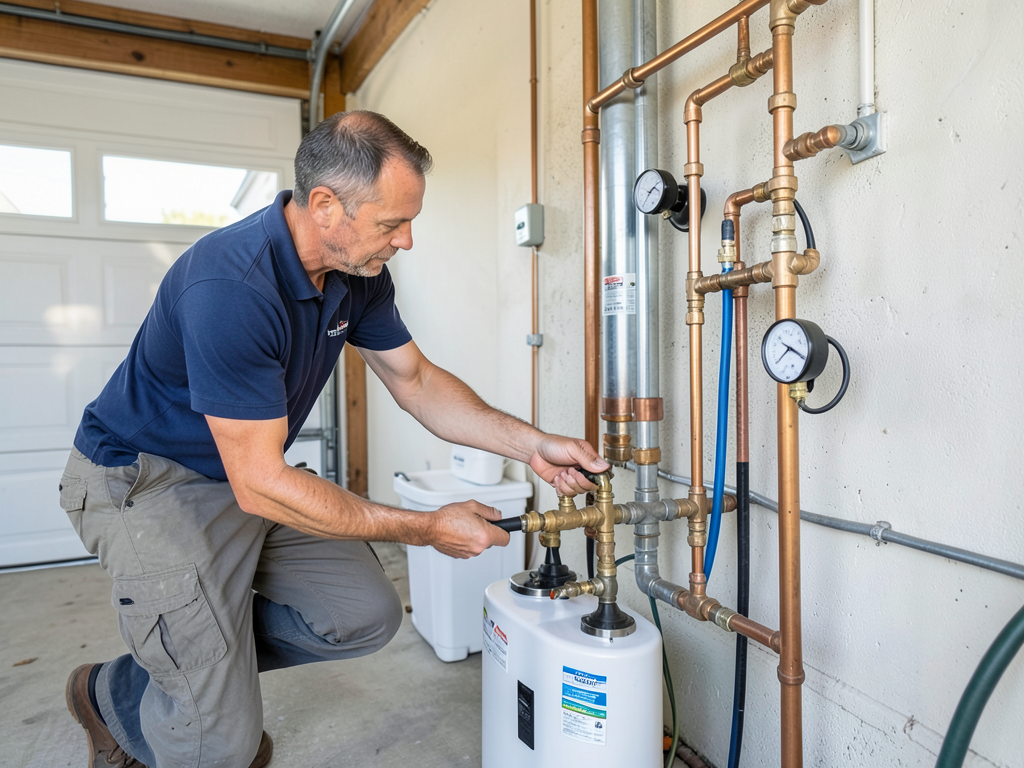
We start with power source verification. For gas units, we confirm the gas supply valve is open, check for proper venting, and test the pilot assembly and thermocouple with a multimeter. For electric units, we verify circuit breaker status, test both heating elements for continuity, and measure voltage at the terminal block.

Next, we inspect the temperature and pressure relief valve for premature discharge. A stuck-open T&P valve drains the tank and prevents heat retention. We also examine the thermostat calibration using infrared temperature guns to compare set point against actual tank temperature.

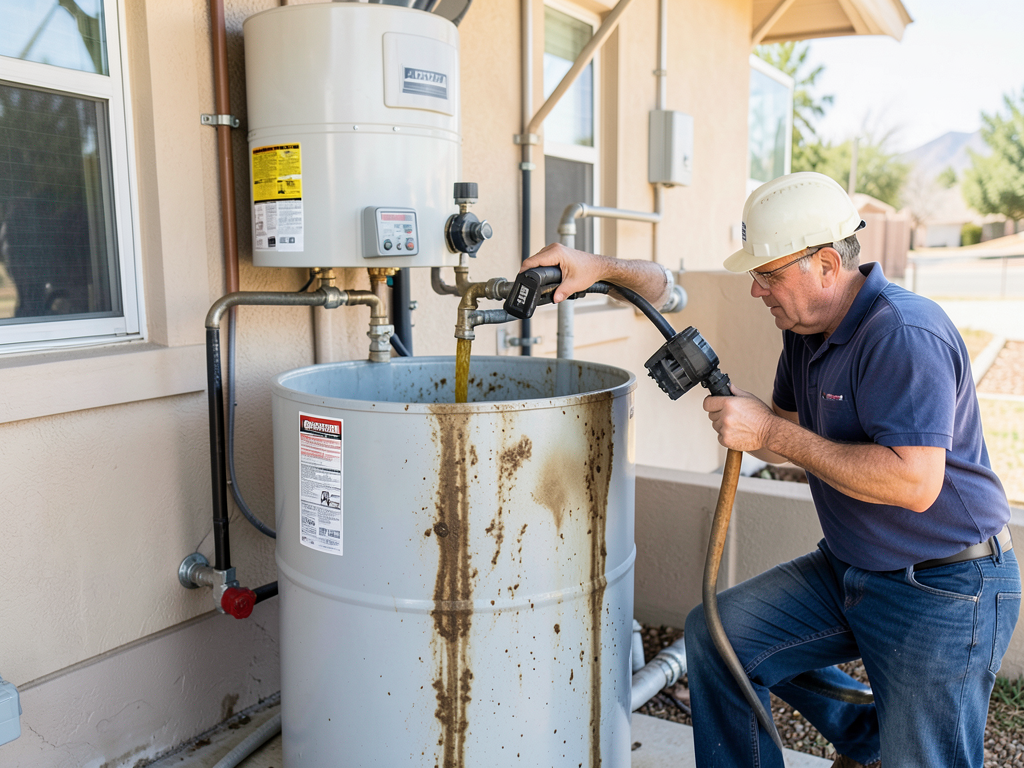
Sediment diagnosis requires draining a sample from the drain valve. Riverside water contains high calcium carbonate levels. When sediment exceeds two inches of tank depth, heating efficiency drops by 40 percent. We measure this precisely.

For intermittent hot water problems, we test the upper thermostat's high-limit reset button. This safety cutoff trips when tank temperature exceeds 170 degrees, often due to a failed lower thermostat. Resetting it without addressing the root cause guarantees repeat failure.

We also inspect anode rod condition on units older than five years. The sacrificial anode prevents tank corrosion but depletes over time. A fully consumed anode exposes bare steel to water, accelerating tank failure. Hex-head anode access requires a 1-1/16 inch socket and careful extraction to avoid damaging the tank liner.

Tankless units require different diagnostics. We check error codes, measure incoming water pressure, verify minimum flow rates, clean flame sensors, and inspect heat exchanger scaling. Riverside's water hardness causes rapid heat exchanger fouling in tankless systems without proper pre-filtration.

Gas combustion analysis uses a flue gas analyzer to measure oxygen content, carbon monoxide levels, and combustion efficiency. Poor combustion indicates burner fouling, improper air-fuel mixture, or vent blockage.

What Happens During Your Water Heater Diagnosis

No Hot Water Diagnosis in Riverside – Expert Troubleshooting Identifies the Problem Fast
01

Initial System Assessment

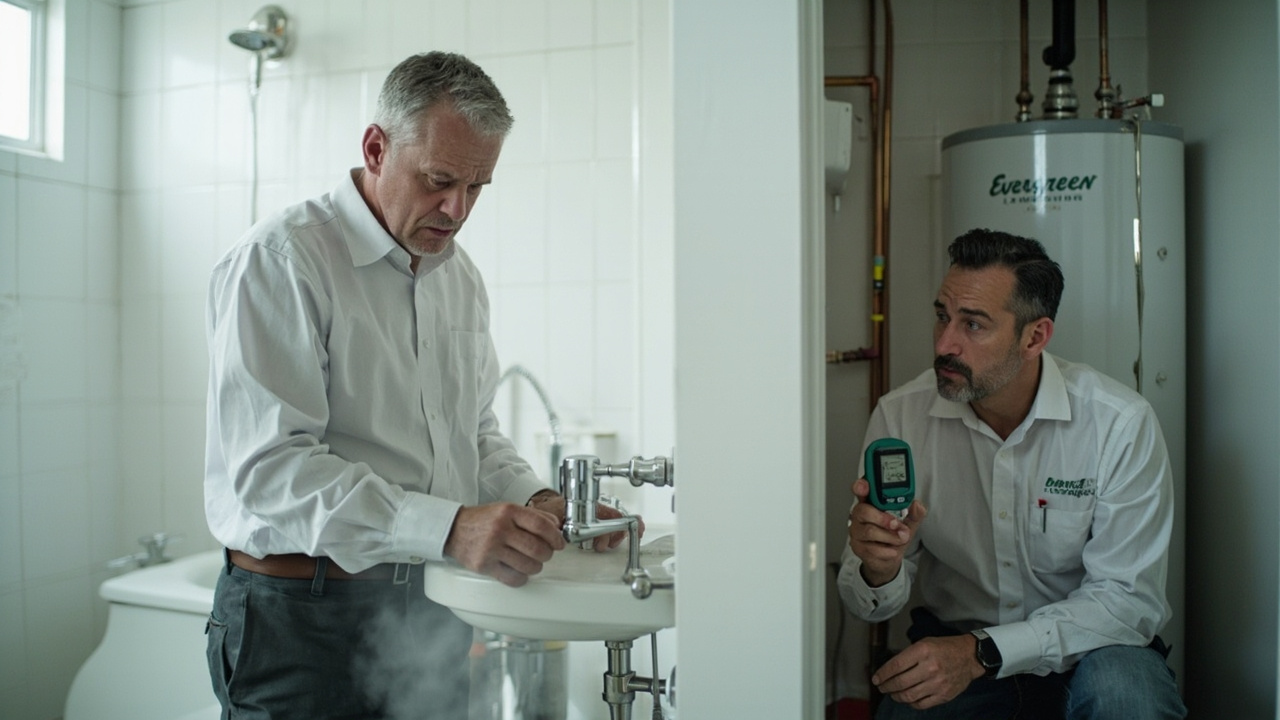
Our technician arrives with diagnostic tools and begins with a visual inspection of your water heater. We check the installation date, fuel type, tank capacity, and venting configuration. We document any visible corrosion, leaks, or code violations. You explain when the problem started and what symptoms you noticed. This conversation provides diagnostic clues that direct our testing sequence and eliminate unnecessary checks.
02

Component Testing Protocol

We test every component in the heating system using calibrated instruments. Thermostats get continuity tests. Heating elements receive resistance measurements. Gas valves undergo pressure testing. Igniters and flame sensors get cleaned and tested for proper microamp readings. We drain sediment samples and inspect anode rod condition when accessible. Each test either confirms proper function or isolates the failure point with precision.
03

Diagnosis Report and Options

After testing, we explain exactly what failed and why. You receive a written diagnosis with photos of failed components. We present repair options with transparent pricing and expected service life for each solution. If your water heater is near end-of-life, we explain replacement advantages. If a simple repair restores full function, we recommend that path. You make the final decision with complete information.

Why Riverside Trusts Evergreen Plumbing for Water Heater Diagnostics

Water heater diagnosis requires specialized knowledge of both mechanical systems and local water conditions. Evergreen Plumbing Riverside has diagnosed water heater failures across every neighborhood in this city for over a decade.

We understand how Riverside's water chemistry affects different water heater brands. Our diagnostic library includes failure patterns specific to Rheem, Bradford White, AO Smith, and Rinnai units operating on Riverside municipal water. This experience eliminates guesswork.

Our technicians carry specialized tools other plumbers skip. We own combustion analyzers, thermal imaging cameras, and digital manometers. These instruments provide objective measurements that confirm or eliminate potential causes. We do not diagnose by feel or assumption.

Riverside's building codes require specific water heater installations depending on location within the home. Garage installations need seismic strapping rated for Zone 4 earthquake activity. Attic installations require emergency drain pans with dedicated drain lines. We verify code compliance during every diagnosis because non-compliant installations often cause premature failures.

We also recognize patterns in Riverside's older neighborhoods. Homes built before 1990 near the Arlington Heights area often have undersized water heaters for modern usage. Homes in La Sierra have higher water pressure that accelerates tank stress. Homes near the Santa Ana River sometimes experience sediment spikes after heavy winter rains. This local knowledge informs our diagnostic approach.

Evergreen Plumbing Riverside charges a flat diagnostic fee that applies toward any repair you authorize. You pay for answers, not guesses. If we recommend replacement instead of repair, you receive honest guidance based on remaining tank life, repair costs, and energy efficiency gains.

We also provide same-day diagnosis scheduling for water heater emergencies. When you call before noon, we arrive that afternoon. No hot water disrupts your entire household routine. We treat it with appropriate urgency.

Our diagnostic reports include photographs and detailed explanations written in plain language. You understand what broke, why it broke, and what happens if you delay the repair.

What to Expect from Our Diagnostic Service

Diagnostic Appointment Timing

We schedule water heater diagnostic appointments within 24 hours of your call. Same-day service is available for calls received before noon on weekdays. Our technicians arrive within a two-hour window and call 30 minutes before arrival. Most diagnostics take 30 to 45 minutes depending on system complexity and access. We carry common replacement parts on every truck, so if you approve a repair immediately after diagnosis, we often complete it the same visit without requiring a return trip.

Comprehensive System Evaluation

Our diagnostic process examines every component that affects hot water production. We test electrical connections, gas supply lines, venting systems, safety controls, and heating elements. We measure sediment levels and water quality. We inspect pressure relief valves and check for hidden leaks. You receive a complete picture of your water heater's condition, not just an answer about why you have no hot water today. This thoroughness prevents repeat service calls and identifies problems before they become emergencies.

Clear Repair Recommendations

After completing our diagnosis, we explain the problem in clear terms without industry jargon. You see photos of failed components. We provide written repair estimates with parts and labor separated. If multiple repair options exist, we explain the advantages of each approach. If your water heater should be replaced instead of repaired, we explain why and provide replacement options at different price points. You make informed decisions based on facts, not sales pressure or fear tactics.

Diagnostic Fee Policy

We charge a diagnostic fee that covers the technician's time, expertise, and diagnostic equipment. This fee applies as a credit toward any repair or replacement you authorize on the same visit. If you choose not to proceed with recommended work, you pay only the diagnostic fee. This policy ensures you receive honest diagnosis without pressure to approve unnecessary work. The diagnostic fee varies based on water heater type and accessibility but is quoted clearly when you schedule your appointment.

Frequently Asked Questions

You Have Questions,
We Have Answers

What is the most common cause of no hot water? +

The most common cause is a tripped circuit breaker or blown fuse for electric water heaters, or a pilot light that went out on gas units. In Riverside, seasonal temperature swings can cause breakers to trip when the unit works harder. Sediment buildup from hard water is another frequent culprit, especially in older tanks. A failed heating element (electric) or faulty thermocouple (gas) also prevents heating. Check your breaker box first, then inspect the pilot light. If those look fine, you need a professional diagnosis to identify component failure.

How to diagnose no hot water? +

Start by checking the power source. For electric heaters, verify the circuit breaker is on. For gas heaters, confirm the pilot light is lit. Test your hot water at multiple faucets to see if the problem is localized or whole-house. Check the temperature setting on the unit (should be 120-130°F). Feel the tank exterior - if cold, the heating mechanism failed. Listen for unusual sounds like popping or hissing. In Riverside homes with tankless systems, check for error codes on the digital display. Beyond these steps, call a plumber for internal component inspection.

Is it an emergency if you don't have hot water? +

It depends on your situation. For families with infants, elderly residents, or health conditions requiring sanitation, yes, it becomes urgent. Homes without alternative heating methods in Riverside's cooler winter months face added discomfort. If you smell gas near your water heater or see water pooling underneath, that is a true emergency requiring immediate shutdown and professional help. For most households, no hot water is inconvenient but not dangerous. You have 24-48 hours to address it before daily hygiene and household tasks become seriously disrupted. Schedule same-day service if possible.

Why is my hot water not working but cold is? +

Cold water flows directly from supply lines without needing heating. When hot water stops but cold works, the issue is isolated to your water heater, not your main plumbing. This means the heating elements (electric), burner assembly (gas), or thermostat failed. Sediment accumulation in the tank can also insulate water from the heat source, a common problem in Riverside due to mineral-heavy groundwater. The dip tube that directs cold water to the tank bottom may have broken, allowing cold and hot water to mix. This requires internal component replacement by a licensed plumber.

What is wrong if you have no hot water? +

You have either a power supply failure, a broken heating component, or severe sediment blockage. Electric heaters lose function when heating elements burn out or thermostats malfunction. Gas heaters stop working when the pilot light extinguishes, the gas valve fails, or the thermocouple breaks. Riverside's hard water accelerates sediment buildup, which reduces tank capacity and insulates water from heat. In tankless systems, scaling from minerals clogs the heat exchanger. Older units (10-plus years) often experience multiple component failures simultaneously. A diagnostic inspection determines whether repair or replacement makes financial sense.

Why am I getting hot water in my kitchen but not my bathroom? +

You have a localized plumbing issue, not a water heater problem. The hot water line feeding your bathroom may have a shutoff valve that is partially closed. Sediment or mineral deposits from Riverside's hard water can clog the hot water pipe leading to that bathroom. A cross-connection where hot and cold lines meet (often at a single-handle faucet) can allow cold water to backfeed into the hot line. The distance from your water heater matters too. Long pipe runs lose heat, especially if insulation is poor. A plumber can trace the line and clear blockages or fix valve issues.

When should I call a plumber for no hot water? +

Call immediately if you smell gas, see water leaking from the tank, hear loud banging noises, or notice rust-colored water. These signal dangerous failures. If basic troubleshooting (checking breakers, relighting pilot lights) does not restore hot water within an hour, schedule service that day. Riverside homeowners with tankless systems showing error codes need professional diagnosis. If your water heater is over 10 years old and stops working, a plumber can assess whether repair is cost-effective or replacement makes better sense. Do not attempt to disassemble gas connections or electrical components yourself.

How to reset a hot water system? +

For electric heaters, flip the dedicated circuit breaker off, wait 30 seconds, then flip it back on. For gas heaters, turn the gas control valve to Off, wait five minutes for gas to clear, then turn to Pilot. Hold the pilot button, use a lighter to ignite the pilot flame, and hold for 30 seconds before releasing. Turn the valve to On. For tankless units, locate the reset button (usually red) on the control panel and press firmly. If the unit does not restart or immediately shuts off again, you have a component failure requiring professional repair.

Why is my water all of a sudden not getting hot? +

Sudden loss indicates a component just failed. Heating elements in electric tanks burn out without warning, especially in older units. Thermocouples on gas heaters fail and prevent the pilot light from staying lit. A tripped breaker from a power surge (common during Riverside summer storms) cuts electricity to the heater. Sediment that has been building for months can suddenly insulate the tank enough to stop effective heating. If your unit made popping or rumbling sounds before failure, sediment is the likely cause. Abrupt failure after years of normal operation usually means replacement is needed.

How long can they leave you with no hot water? +

In rental properties, California law requires landlords to provide hot water as a basic habitability need. Repairs must begin within 24-48 hours for urgent issues like complete loss of hot water. For homeowners, the timeline depends on parts availability and plumber scheduling. Simple fixes like relighting a pilot or replacing a heating element take 1-2 hours. Component orders may need 1-3 days. Full water heater replacement typically happens within 24 hours of approval in Riverside. Do not wait longer than two days without escalating to emergency service, especially with children or elderly household members present.

How Riverside's Hard Water Affects Water Heater Diagnostics

Riverside's municipal water contains 12 to 18 grains per gallon of hardness, significantly higher than California's state average. This concentration of calcium and magnesium accelerates sediment accumulation inside water heater tanks. During diagnosis, we often find two to four inches of hardened sediment in tanks only five years old. This buildup insulates heating elements on electric models and creates hot spots on gas burner floors that crack tank linings. When diagnosing lack of hot water in Riverside homes, sediment blockage ranks as the third most common cause after thermostat failure and heating element burnout.

Evergreen Plumbing Riverside maintains detailed service records for water heaters throughout the city. We track failure patterns by neighborhood, water source, and installation year. This data reveals that water heaters in the Canyon Crest area fail differently than units in Downtown Riverside due to variations in water pressure and mineral content. Our technicians reference this local knowledge during diagnostics to identify likely failure points faster. We also maintain relationships with Riverside's building inspection department and stay current on local code amendments affecting water heater installations.
Plumbing Services in The Riverside Area

We are proud to serve the entire Riverside community and its surrounding areas. Our local presence ensures we can provide swift and efficient service when you need it most. You can view our service area on the map to see if we cover your location. We're dedicated to bringing professional plumbing solutions right to your doorstep.

Address:
Evergreen Plumbing Riverside, 3400 Central Ave, Riverside, CA, 92506

Additional Services We Offer

Our news updates

Latest Articles & News from The Blogs

Why that PVC pipe dripping near your Sycamore Highlands foundation needs attention Seeing water dripping from a PVC pipe near…

Why that PVC pipe dripping near your Sycamore Highlands foundation needs attention

Why that PVC pipe dripping near your Sycamore Highlands foundation needs attention Seeing water dripping from a PVC pipe near…

Using your water meter to check for hidden leaks in your Northside property

Using your water meter to check for hidden leaks in your Northside property Finding a hidden water leak in your…

Why pouring liquid grease down your Eastside kitchen drain is a recipe for disaster

Why pouring liquid grease down your Eastside kitchen drain is a recipe for disaster Eastside Riverside homeowners face a hidden…

Contact Us

Call Evergreen Plumbing Riverside at (951) 309-5599 right now to schedule your water heater diagnosis. We answer calls seven days a week and provide same-day appointments for morning calls. Stop guessing what is wrong and get answers from experienced local technicians.