




menu

Discolored or Rusty Water in Riverside | Expert Diagnosis and Permanent Fixes for Your Home

From brown tap water to reddish hot water, our Riverside plumbing specialists identify the exact source of discolored water in your pipes and restore clean, safe water to your home with proven solutions.

Slider Image 1
Slider Image 2
Slider Image 3
Slider Image 4
Slider Image 5
Slider Image 7
Slider Image 8
Slider Image 9
Slider Image 10
Slider Image 11

Why Your Riverside Home Has Brown or Rusty Tap Water

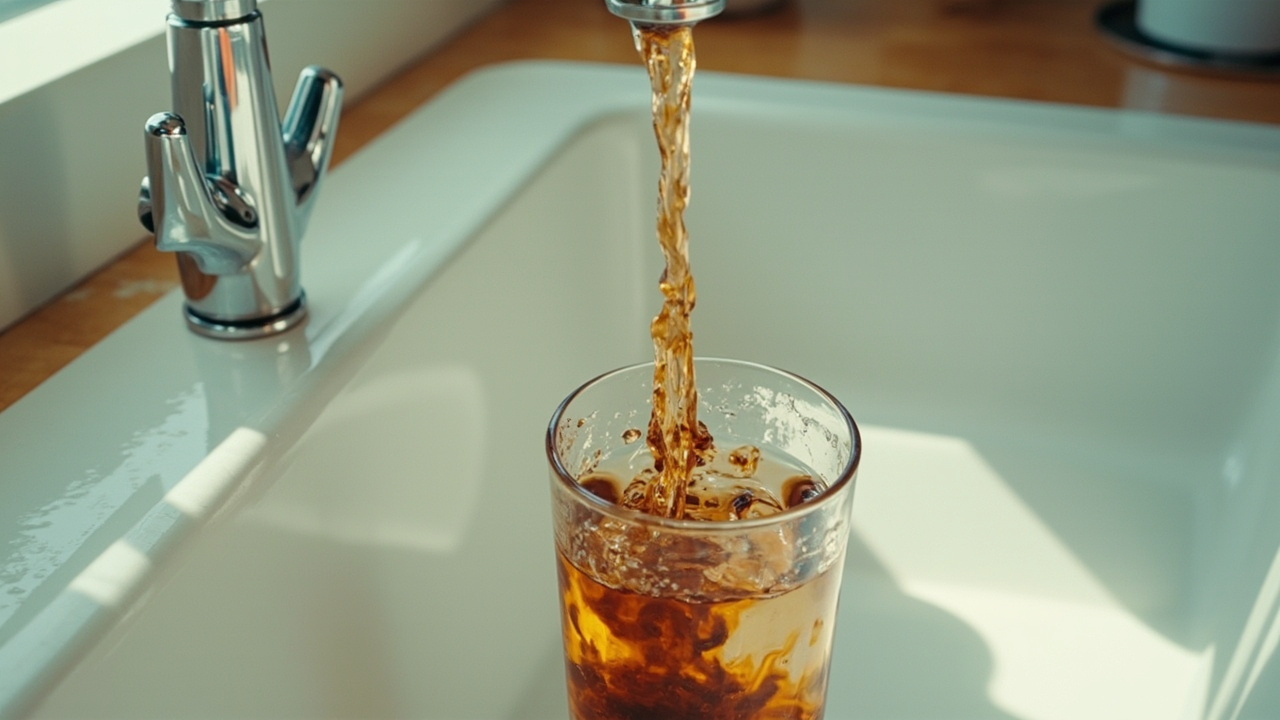
You turn on your faucet and watch brown tap water fill your glass. Or you notice yellow water from the faucet when you start your shower. Maybe your hot water runs reddish while the cold stays clear. This is not normal, and you are right to be concerned.

Riverside's aging water infrastructure plays a significant role in discolored water problems. Many neighborhoods near Mount Rubidoux and the historic downtown area still have galvanized steel pipes installed 40 to 60 years ago. These pipes corrode from the inside, releasing iron oxide into your water supply. The result is rusty colored water that stains your sinks, ruins your laundry, and raises serious questions about what you are drinking.

California's hard water compounds the problem. Riverside's municipal water contains high levels of dissolved minerals that accelerate pipe corrosion. When combined with fluctuating water pressure common in older Riverside neighborhoods, you get intermittent bursts of sediment that turn your tap water brown or orange.

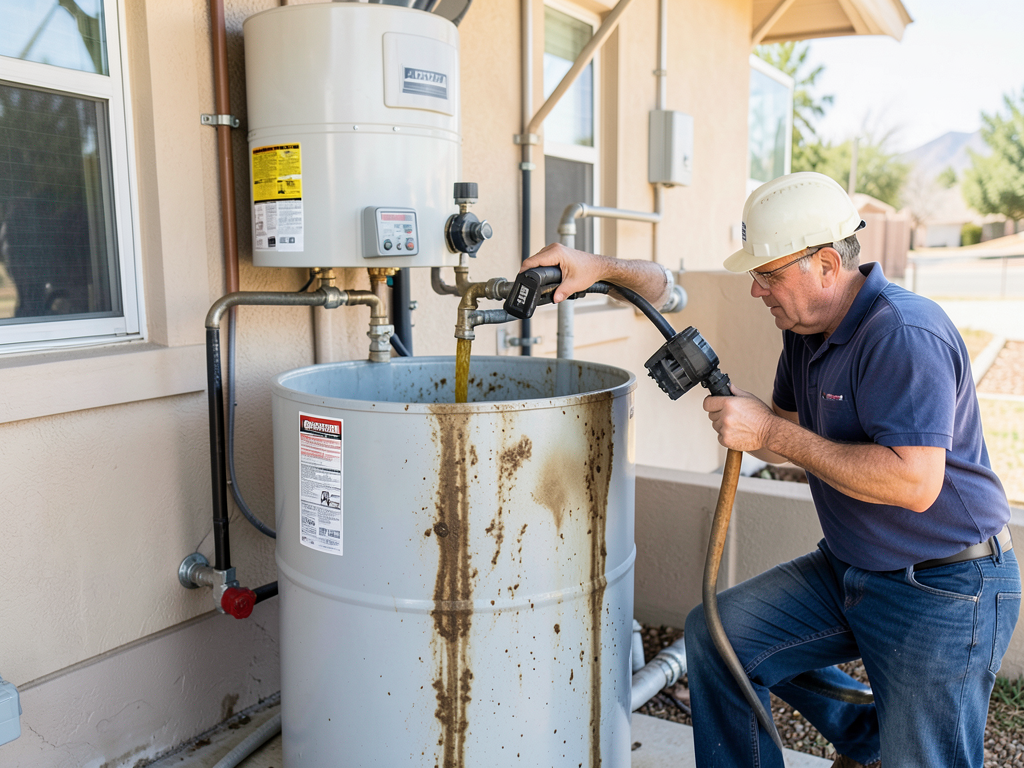
Discolored hot water with clear cold water points to a failing water heater. The sacrificial anode rod inside your tank corrodes to protect the steel lining, but once it depletes, the tank itself begins to rust. You see the evidence every time reddish water from pipes flows from your hot water tap.

The source matters. External corrosion in your home's supply lines requires different action than sediment from the municipal main or a deteriorating water heater tank. Guessing wastes time and money.

Why Your Riverside Home Has Brown or Rusty Tap Water
How We Identify and Eliminate the Source of Water Discoloration

How We Identify and Eliminate the Source of Water Discoloration

We do not guess at water quality problems. Our diagnostic process starts with isolating the contamination source through systematic testing at multiple fixture points throughout your home.

First, we check your water meter and main shutoff valve. If discoloration appears immediately when we open the main line, the problem originates in the municipal supply or your service lateral. We test pH levels, total dissolved solids, and iron content to establish a baseline.

Next, we evaluate each fixture independently. Brown water from only one faucet suggests localized corrosion in that branch line. Yellow water from multiple cold water taps indicates main line contamination. Discolored hot water from all fixtures points directly to your water heater.

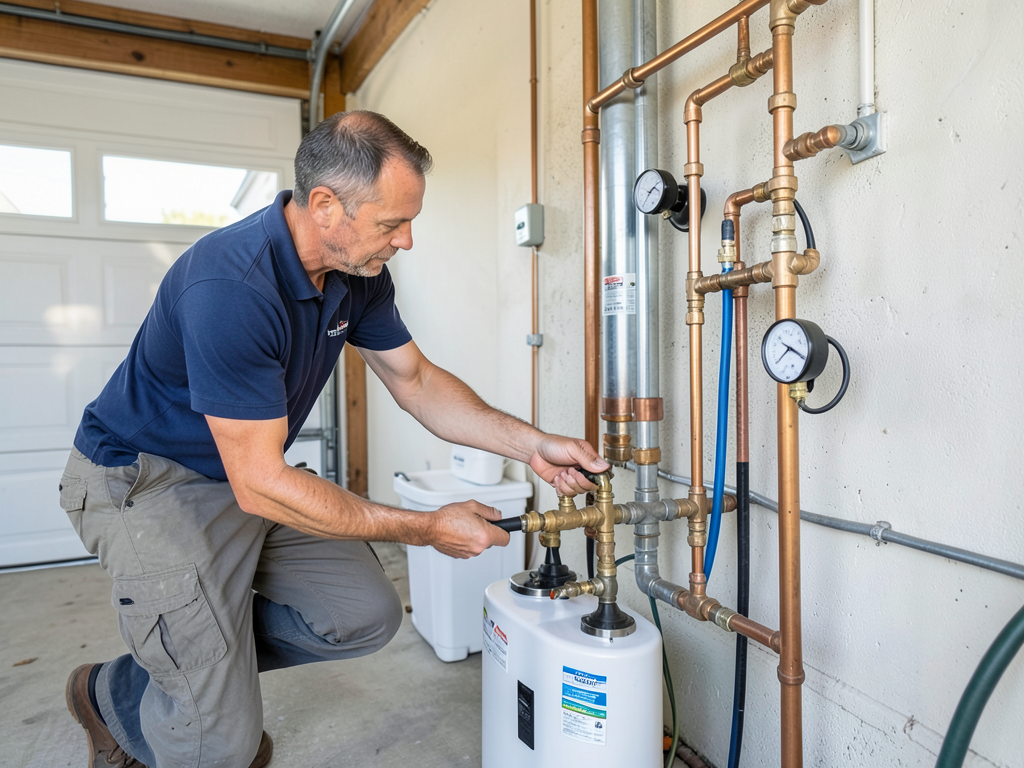
For water heater issues, we drain and inspect the tank interior using a borescope camera. This reveals the condition of the anode rod, the extent of sediment buildup, and whether the tank lining has breached. A failing anode rod can be replaced. A corroded tank cannot be saved.

When galvanized supply pipes are the culprit, we map your entire plumbing system to determine replacement scope. Partial repiping rarely solves the problem long term because corrosion continues in the old sections. We recommend whole-house repiping with PEX or copper to eliminate the issue permanently.

For municipal supply problems, we install a whole-house sediment filter and oxidizing media tank that captures iron particles before they reach your fixtures. This protects your plumbing and appliances while the city addresses infrastructure on their end.

What Happens When You Call About Discolored Water

Discolored or Rusty Water in Riverside | Expert Diagnosis and Permanent Fixes for Your Home
01

Initial Water Testing

We arrive with field testing equipment to measure iron content, pH, hardness, and sediment levels at your main water line and affected fixtures. This takes 15 to 20 minutes and tells us whether contamination originates inside your home or from the municipal supply. We show you the test results and explain what the readings mean for your specific situation.
02

Source Isolation and Inspection

We systematically test each water source in your home to pinpoint the contamination point. This includes draining your water heater to inspect for sediment and rust, checking exposed pipe sections in your crawlspace or basement, and running water at multiple fixtures simultaneously to observe discoloration patterns. Camera inspection of your supply lines reveals internal corrosion you cannot see from the outside.
03

Solution Implementation and Verification

Once we identify the source, we execute the appropriate fix, whether that means replacing your water heater, repiping corroded supply lines, or installing whole-house filtration. After completion, we flush your system thoroughly and retest water quality at every fixture to confirm the problem is resolved. You see clear water immediately, and we document the before and after readings for your records.

Why Riverside Homeowners Choose Us for Water Quality Problems

Water discoloration is not just an aesthetic problem. It signals active corrosion in your plumbing system that will worsen until you address the root cause. We have worked in Riverside homes long enough to recognize the patterns that indicate whether you need a simple anode rod replacement or a complete repipe.

Riverside's housing stock spans eight decades of construction, from 1940s bungalows in Casa Blanca to 1970s ranch homes in Canyon Crest and newer developments in Orangecrest. Each era used different pipe materials that fail in predictable ways. We know which neighborhoods still have galvanized steel, where polybutylene was common, and how Riverside's water chemistry interacts with each material.

This local knowledge matters when diagnosing intermittent discoloration. A home near Riverside Community Hospital might have cast iron drain lines that shed rust into the fresh water system through a cross-connection. A property near Victoria Avenue could have shallow supply lines damaged by tree roots from the historic palm trees. We have seen these scenarios dozens of times.

We also understand Riverside's permit requirements and inspection protocols. Any repipe work requires city permits and pressure testing before the inspector signs off. We handle the paperwork, schedule inspections, and ensure your project meets current California plumbing code without delays.

Our diagnostic approach saves you money by identifying the exact problem before we start tearing into walls. We have prevented countless unnecessary water heater replacements by discovering the real issue was a corroded dip tube or a failing pressure reducing valve. You pay for the solution you need, not the one that seemed obvious at first glance.

What to Expect When We Solve Your Water Discoloration Problem

Same Day Diagnosis in Most Cases

We understand that brown or rusty tap water creates immediate concern about your family's health and safety. Our technicians carry field testing equipment on every truck, which means we can diagnose most discoloration issues during the initial visit. Simple fixes like anode rod replacement or pressure valve adjustment happen the same day. More extensive solutions like repiping or water heater replacement get scheduled within 48 to 72 hours after you approve the scope and cost. We do not leave you drinking bottled water for weeks while we figure out the problem.

Comprehensive System Evaluation

Our assessment goes beyond the obvious symptoms. We test water quality at multiple points, inspect your water heater interior, check your pressure reducing valve and expansion tank, examine exposed pipe sections for external corrosion, and verify your backflow preventer is functioning correctly. This thorough approach catches secondary issues that contribute to discoloration, like sediment buildup from a failing PRV or cross-contamination from irrigation system backflow. You get a complete picture of your water system health, not just a band-aid on the most visible symptom.

Clear Water That Stays Clear

The goal is permanent resolution, not temporary improvement. When we replace corroded pipes, you get materials rated for 50-plus years of service. When we install filtration systems, we spec equipment sized correctly for your home's flow rate and water chemistry. When we replace water heaters, we install powered anode rods that prevent future tank corrosion. We flush your entire system after any repair to remove residual sediment, then verify water clarity at every fixture before we consider the job complete. You should never see discolored water from those pipes again.

Ongoing Water Quality Support

After we solve your discoloration problem, we provide maintenance guidance specific to your system. If we installed a sediment filter, we show you how to monitor the pressure gauge and when to schedule cartridge replacement. If we replaced your water heater, we explain the annual flush procedure that prevents sediment accumulation. If we repiped your home, we document the new system layout and materials for future reference. We also offer annual water quality testing to catch new issues before they become visible problems. Your water system is not something you should worry about after we leave.

Frequently Asked Questions

You Have Questions,
We Have Answers

Is discolored water safe to drink? +

Discolored water is not always safe to drink. Brown or yellow water often signals corroded pipes, sediment buildup, or municipal main breaks. In Riverside, older homes with galvanized steel piping frequently experience rust contamination. While small amounts of iron are not toxic, discolored water can harbor bacteria, heavy metals, or sediment. Do not drink it until you identify the source. Run cold water for several minutes. If the color persists, contact your water utility to rule out system issues, then call a licensed plumber to inspect your household plumbing and piping.

Is it okay to drink rusty water? +

Drinking rusty water is not advisable. Rust particles are oxidized iron from corroding pipes. While iron itself is not acutely toxic, rusty water can contain lead, copper, or bacterial contamination from degraded pipe interiors. In Riverside, many properties built before 1980 have aging galvanized pipes that shed rust. Ingesting rusty water may cause stomach upset or expose you to harmful contaminants. If your tap water tastes metallic or appears brown, stop drinking it. Flush your system, check with your municipal supplier, and have a plumber inspect your pipes for corrosion.

How to know if water is rusty? +

You can identify rusty water by its brown, yellow, or reddish tint. Rusty water often has a metallic taste and leaves orange or brown stains on sinks, tubs, and laundry. In Riverside, rust typically comes from corroded galvanized steel pipes or water heater sediment buildup. Check if the discoloration affects hot water only, which points to your water heater, or both hot and cold, which signals supply line corrosion. Run a cold tap for several minutes. If the water clears, the issue is localized. Persistent discoloration requires professional inspection.

What does it mean when your water is discolored? +

Discolored water signals a problem in your plumbing system or municipal supply. Brown or yellow water typically means corroded pipes, sediment disturbance, or water main breaks. In Riverside, clay soil shifting can stress underground pipes, accelerating corrosion in older galvanized systems. Green or blue tints indicate copper pipe corrosion, while black particles suggest deteriorating rubber gaskets or manganese. Milky or cloudy water is usually harmless trapped air. First, determine if the issue is citywide or localized to your home. Contact your water utility, then call a plumber if the problem persists.

Should I call a plumber for brown water? +

Yes, call a plumber if brown water persists after flushing your taps for several minutes. Brown water indicates corroded pipes, sediment buildup in your water heater, or failing galvanized plumbing. In Riverside, homes built before 1980 often have aging pipe systems prone to rust. A licensed plumber can inspect your piping, flush your water heater, or recommend repiping if corrosion is widespread. Do not ignore persistent discoloration. It can signal deteriorating water quality, pipe leaks, or imminent failure. Addressing it early prevents costlier repairs and protects your family from contamination.

What to do if my water is discoloured? +

If your water is discolored, first determine the source. Run cold water from multiple taps for five to ten minutes. If the water clears, the issue is likely temporary sediment disturbance. If it persists, contact your local water utility to check for main breaks or system flushing in Riverside. For hot water only, your water heater may need flushing. If both hot and cold water are discolored, you likely have corroded pipes. Stop drinking the water and call a licensed plumber to inspect your plumbing system and recommend repairs or repiping.

Is it bad to drink water from a kettle with limescale? +

Drinking water from a kettle with limescale is generally safe but not ideal. Limescale is calcium carbonate buildup from hard water, common in Riverside due to mineral-rich groundwater. While calcium is not harmful, heavy limescale can harbor bacteria, affect taste, and reduce kettle efficiency. Flakes in your drink are unsightly and gritty. Regularly descale your kettle with vinegar or a commercial descaler. If you notice persistent sediment or discolored water, the issue may extend beyond your kettle to your plumbing. Have a plumber inspect your water heater and supply lines.

What does rusty water taste like? +

Rusty water tastes metallic, bitter, or slightly sour. The taste comes from dissolved iron and oxidized pipe material. In Riverside, corroded galvanized steel pipes are a common culprit in older homes. Some people describe it as tinny or earthy. Rusty water may also smell musty or have a faint chlorine odor if municipal treatments are reacting with corrosion byproducts. If your tap water tastes metallic, stop drinking it. Flush your system, check if neighbors have the same issue, and contact a plumber to inspect your pipes and water heater.

How much rust is too much in water? +

Any visible rust in your water is too much. The EPA does not set a health-based limit for iron, but it recommends levels below 0.3 milligrams per liter for aesthetic reasons. Even trace rust indicates corroding pipes, which can leach harmful contaminants like lead or copper. In Riverside, aging galvanized plumbing accelerates rust formation. If your water is consistently discolored, stains fixtures, or tastes metallic, your pipes are degrading. Do not wait for the problem to worsen. Call a licensed plumber to inspect your system and recommend filtration, repairs, or repiping.

What color is rust in water? +

Rust in water appears brown, yellow, orange, or reddish. The exact color depends on the concentration and oxidation state of iron. Light rust may tint water pale yellow, while heavy corrosion produces dark brown or muddy water. In Riverside, rust often comes from galvanized steel pipes or water heater sediment. Orange stains on sinks and bathtubs confirm rust contamination. If you notice any discoloration, identify whether it affects hot water only (water heater issue) or both hot and cold (pipe corrosion). Call a plumber to diagnose and resolve the source.

How Riverside's Water Infrastructure Creates Unique Discoloration Challenges

Riverside's water supply comes from a combination of local groundwater wells and imported water from the Colorado River and Northern California. This blended supply varies in mineral content and pH depending on seasonal demand, which causes fluctuating corrosion rates in older pipe systems. Homes built before 1980 in neighborhoods like Arlington, La Sierra, and Grand often have galvanized steel supply lines that respond to these chemistry changes with increased iron oxide shedding. The result is intermittent brown tap water that gets worse during summer months when Colorado River water dominates the blend. Understanding this local water chemistry pattern is critical for diagnosing whether your discoloration problem is getting worse over time or has reached a stable failure point.

We have worked in every Riverside neighborhood from Woodcrest to Alessandro Heights, which gives us immediate insight into the plumbing challenges specific to your home's location and age. We know which streets still have low water pressure that causes sediment accumulation, which subdivisions used substandard materials during the 1970s building boom, and how Riverside's current plumbing code has evolved to address historical failures. This local expertise means faster diagnosis and appropriate solutions that account for your neighborhood's infrastructure realities. You are not getting generic advice from a plumber who learned about Riverside this morning.
Plumbing Services in The Riverside Area

We are proud to serve the entire Riverside community and its surrounding areas. Our local presence ensures we can provide swift and efficient service when you need it most. You can view our service area on the map to see if we cover your location. We're dedicated to bringing professional plumbing solutions right to your doorstep.

Address:
Evergreen Plumbing Riverside, 3400 Central Ave, Riverside, CA, 92506

Additional Services We Offer

Our news updates

Latest Articles & News from The Blogs

Why that PVC pipe dripping near your Sycamore Highlands foundation needs attention Seeing water dripping from a PVC pipe near…

Why that PVC pipe dripping near your Sycamore Highlands foundation needs attention

Why that PVC pipe dripping near your Sycamore Highlands foundation needs attention Seeing water dripping from a PVC pipe near…

Using your water meter to check for hidden leaks in your Northside property

Using your water meter to check for hidden leaks in your Northside property Finding a hidden water leak in your…

Why pouring liquid grease down your Eastside kitchen drain is a recipe for disaster

Why pouring liquid grease down your Eastside kitchen drain is a recipe for disaster Eastside Riverside homeowners face a hidden…

Contact Us

Stop wondering what is in your tap water. Call (951) 309-5599 now for same-day water testing and expert diagnosis. We will identify the exact source of your discolored water and give you a clear solution that works.