





menu

Signs You Need Sewer Repair in Riverside – Expert Diagnosis Before Costly Backups Strike

Evergreen Plumbing Riverside helps you identify symptoms of a broken sewer line early, preventing emergency backups, foundation damage, and health hazards through professional camera inspection and accurate assessment.

Slider Image 1
Slider Image 2
Slider Image 3
Slider Image 4
Slider Image 5
Slider Image 7
Slider Image 8
Slider Image 9
Slider Image 10
Slider Image 11

Riverside's Aging Infrastructure and Shifting Soil Make Early Detection Critical

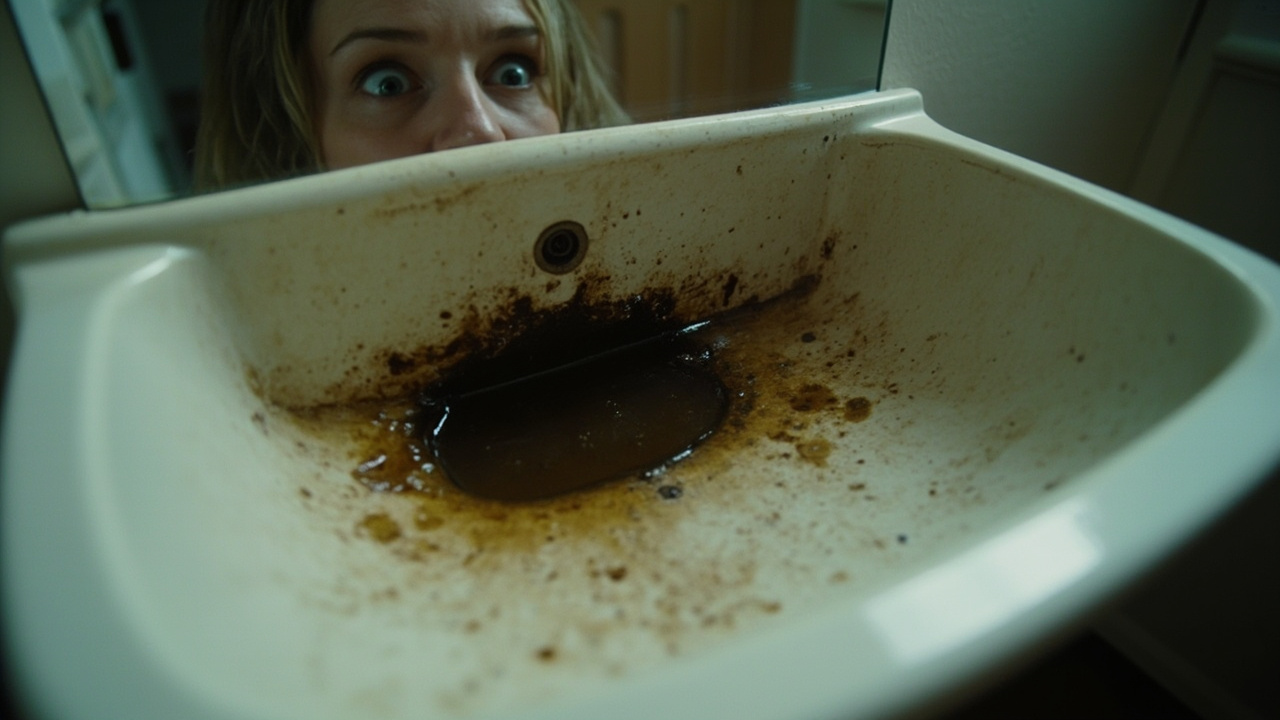
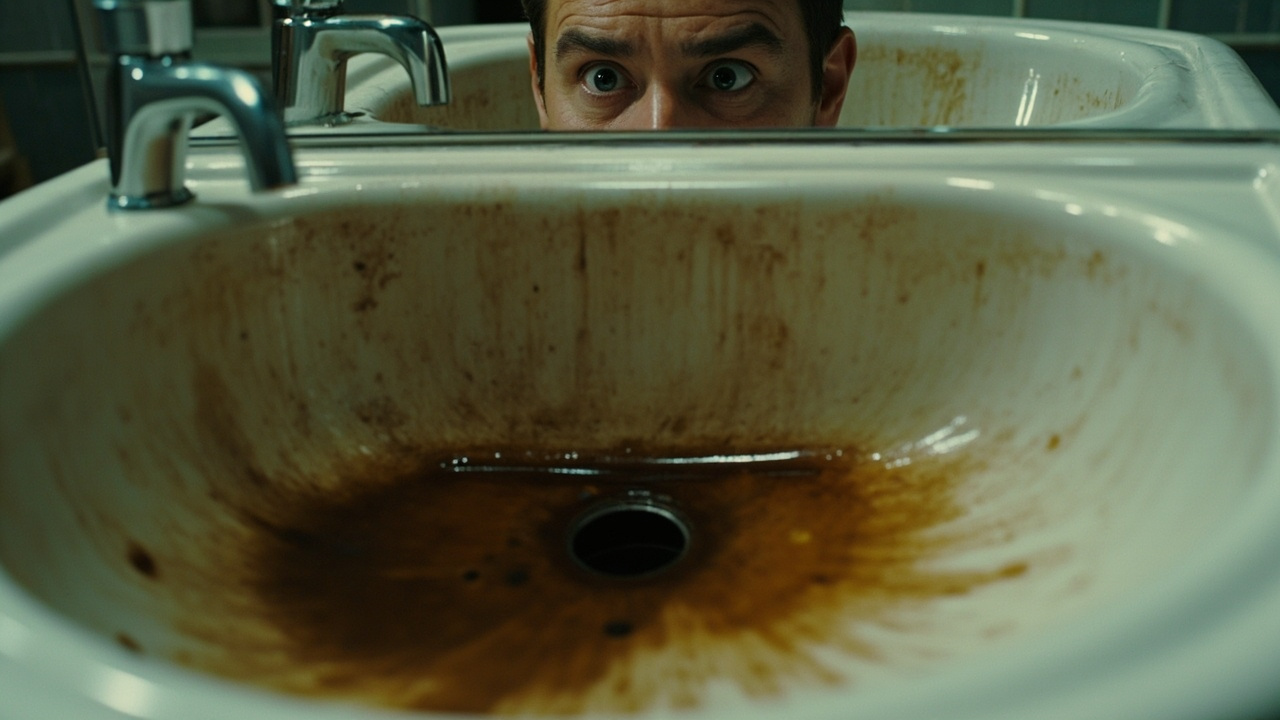
You notice slow drains throughout your home, not just in one fixture. The toilet gurgles when you run the washing machine. You smell sewage in your yard but cannot locate a visible leak. These are not random plumbing annoyances. They are indicators of sewer line damage that demand immediate attention.

Riverside sits on expansive clay soil that swells when wet and contracts during dry months. This constant movement stresses underground pipes, creating cracks and joint separations that worsen over time. Many properties in neighborhoods near the Santa Ana River and downtown historic districts still have original cast iron or Orangeburg pipe from the 1950s and 1960s. These materials degrade, corrode, and collapse as they age.

Warning signs of main sewer line issues often appear gradually. You might see patches of unusually green grass above your sewer line where leaking wastewater acts as fertilizer. Water pools in your yard with no clear source. Multiple fixtures back up simultaneously because the main line cannot handle normal flow. These symptoms of a broken sewer line indicate a blockage, break, or root intrusion that will not resolve on its own.

The longer you wait, the worse the damage becomes. A small crack turns into a full pipe collapse. Tree roots from the mature landscaping common in Riverside neighborhoods infiltrate through joints and multiply inside the pipe. Raw sewage backs up into your home, creating health hazards and contaminating your property. Foundation settling accelerates when soil becomes saturated with wastewater. How to tell if your sewer pipe is broken requires professional assessment, but recognizing these early indicators gives you time to act before an emergency forces your hand.

Riverside's Aging Infrastructure and Shifting Soil Make Early Detection Critical
How Professional Sewer Line Inspection Identifies the Real Problem

How Professional Sewer Line Inspection Identifies the Real Problem

Guessing about underground pipe condition wastes time and money. We use video camera inspection to diagnose sewer line failure symptoms with precision. A waterproof camera on a flexible cable travels through your entire sewer line from cleanout to street connection. The high-resolution feed shows exactly what blocks or damages your pipe.

We identify root intrusion by species. Shallow-rooted eucalyptus and fig trees common in Riverside yards send aggressive roots into any crack or joint. The camera reveals whether roots created a partial blockage or completely occluded the line. We locate grease buildup, which appears as a thick coating that narrows pipe diameter and traps debris. We see bellied sections where soil settlement created a sag that collects waste and prevents proper flow.

The camera inspection pinpoints pipe material and condition. Cast iron shows rust scale and corrosion that eventually causes holes. Clay pipe displays cracks at joints or complete breaks from ground movement. Orangeburg fiber pipe collapses into an oval shape and delaminates. PVC rarely fails but can separate at joints during soil shifting.

We measure the distance from the camera entry point to the problem area. This eliminates excavation guesswork. If your main line break sits 47 feet from the house under your driveway, we know exactly where to dig. If roots invaded at the property line near a mature tree, we plan the repair access accordingly.

The inspection recording becomes your documentation. You see what we see. We explain whether you need spot repair for a localized break, root removal and pipe relining, or full line replacement. This diagnostic approach prevents unnecessary excavation and ensures the repair method matches the actual problem, not assumptions based on symptoms alone.

What Happens During Your Sewer Line Assessment

Signs You Need Sewer Repair in Riverside – Expert Diagnosis Before Costly Backups Strike
01

Initial Symptom Evaluation

We discuss the specific symptoms you experience, including frequency of backups, locations of slow drains, and any odors or yard changes. This conversation helps us determine which fixtures connect to the affected line and narrow the probable failure location. We check your property age and ask about previous plumbing work to understand your system's history and likely pipe materials.
02

Camera Line Inspection

We insert the inspection camera through your cleanout or toilet flange and record the entire line condition. You watch the live feed as we travel through the pipe, identifying cracks, root masses, grease buildup, or collapsed sections. We note the depth and distance of any problems for precise repair planning. The inspection takes 30 to 60 minutes depending on line length and complexity.
03

Repair Recommendation and Planning

Based on camera findings, we explain your repair options with transparent cost factors. A single crack might require trenchless spot repair. Extensive root damage might need hydrojetting and epoxy lining. Complete deterioration requires excavation and replacement. We provide the inspection recording and a written assessment so you understand exactly what failed and why we recommend specific solutions for your Riverside property's conditions.

Why Riverside Property Owners Trust Local Sewer Line Expertise

Sewer line problems require local knowledge, not generic solutions from a corporate call center. Evergreen Plumbing Riverside understands how this region's specific conditions cause pipe failure. We know which neighborhoods have Orangeburg pipe, where cast iron corrodes fastest, and which tree species create the worst root intrusion.

Riverside's building codes changed multiple times over the decades. Properties built before 1960 often lack proper cleanouts. Homes from the 1970s might have ABS plastic that becomes brittle in our soil chemistry. Newer construction uses Schedule 40 PVC but sometimes with inadequate bedding that allows settling. We recognize these patterns because we work in these neighborhoods daily.

We maintain relationships with the city's building department and understand permit requirements for sewer repairs. If your line crosses an easement or requires street excavation, we handle the coordination. We know which repairs need inspection and how to schedule them without delaying your project.

Our camera equipment handles Riverside's specific challenges. Summer heat exceeding 100 degrees affects pipe expansion. Winter rains saturate clay soil and create access issues. We plan inspections around weather conditions and work efficiently in this climate. Our trucks carry parts and materials that match the pipe types common in this area.

When you call a plumber from outside the region, they learn about your property on your dime. They might misdiagnose problems because they do not recognize local pipe materials or soil behavior. They excavate in the wrong location because they estimated distances instead of measuring. They recommend repairs that do not address the actual cause of failure.

Local expertise means faster diagnosis, accurate repairs, and solutions designed for Riverside's conditions. We have seen thousands of sewer lines in this area. We know what fails, why it fails, and how to fix it right the first time.

What to Expect During Sewer Line Diagnosis and Repair

Response Time and Availability

We schedule inspections within 24 to 48 hours of your call for standard concerns. Emergency situations like sewage backups into your home receive same-day response. The inspection itself takes one to two hours including setup, camera work, and assessment discussion. We arrive with all diagnostic equipment ready. You receive the inspection recording immediately, either on USB drive or via digital link. We provide written findings and repair estimates before we leave your property so you can make informed decisions without pressure or delay.

The Inspection Process Explained

We locate your main sewer cleanout or access point and verify it opens without damage. If your home lacks a cleanout, we access through a toilet or floor drain. The camera system includes a locator transmitter that lets us mark the exact ground position of any problem we find underground. We travel the line slowly, rotating the camera head to inspect the entire pipe circumference. You watch the monitor and ask questions as we identify issues. We explain what healthy pipe looks like versus damaged sections so you understand the severity. The recording shows date, time, and distance measurements for your records.

Diagnostic Accuracy and Clarity

Our camera inspection eliminates guesswork. You see the actual blockage, crack, root mass, or collapse causing your symptoms. We distinguish between minor issues you can monitor and serious failures requiring immediate repair. The inspection identifies whether problems stem from your private lateral or the city main, which determines financial responsibility. We measure pipe diameter, identify material type, and document the condition of every section. This precision prevents unnecessary excavation and ensures repair bids reflect actual scope, not inflated worst-case assumptions contractors use to protect themselves from surprises.

Post-Inspection Support and Records

The inspection video and written report become permanent records for your property. If you sell your home, these documents prove sewer line condition to buyers and reduce transaction delays. If problems worsen over time, we compare new inspections to the original to track deterioration rates. We keep digital copies of all inspections in your customer file for future reference. This documentation also helps with insurance claims when covered events cause line damage. We provide follow-up consultations at no charge if you have questions after reviewing the findings or need clarification about repair options.

Frequently Asked Questions

You Have Questions,
We Have Answers

What are four signs that your sewer line is broken? +

Four clear signs indicate a broken sewer line. First, you notice **multiple drain backups** throughout your home, not just one isolated sink. Second, you smell persistent **sewage odors** near drains or in your yard. Third, you see **soggy patches or sinking spots** in your lawn where the pipe runs underground. Fourth, you hear **gurgling sounds** from toilets or drains when water runs elsewhere. In Riverside's clay-heavy soil, ground shifting can crack older pipes, making these symptoms worse during seasonal dry periods. If you see two or more signs, you need a professional camera inspection fast.

How do you know if you have sewer problems? +

Sewer problems announce themselves through specific warning signs. Watch for **slow drains** across multiple fixtures, not just one clogged sink. You might notice toilets that bubble or overflow when you run the washing machine. **Sewage backups** in basement drains or the lowest bathroom signal serious blockages. Outside, look for **lush green patches** in your yard where sewage fertilizes grass, or standing water near the sewer line path. Riverside homes built before 1980 often have clay pipes vulnerable to tree root invasion from mature landscaping. Catching these signs early prevents costly emergency repairs and property damage.

Does homeowners insurance cover main sewer line repair? +

Standard homeowners insurance typically does not cover main sewer line repair or replacement. Most policies exclude maintenance issues and gradual deterioration. However, **sudden damage from a covered peril** like a tree falling during a storm might qualify for partial coverage. Some insurers offer optional **sewer backup endorsements** or separate rider policies that cover overflow damage to your home's interior. In Riverside, where older neighborhoods have aging infrastructure, this rider costs around $50 annually but can save thousands. Always review your policy details and consider this add-on if your home has older plumbing or mature trees nearby.

How to know if a sewer line needs to be replaced? +

A sewer line needs replacement when repairs become ineffective or too frequent. Signs include **recurring clogs** despite professional cleaning, **multiple breaks** found during camera inspection, or **extensive root intrusion** throughout the pipe. If your line has **significant bellying** where sections sag and collect waste, or shows **severe corrosion** in cast iron pipes, replacement beats patching. Riverside homes with original 1950s-1970s clay or Orangeburg pipes often reach this point simultaneously across neighborhoods. A video inspection reveals the pipe's interior condition. If damage affects more than 30 percent of the line's length, full replacement proves more cost-effective than repeated repairs.

How much does it cost to fix a collapsed sewer line? +

Fixing a collapsed sewer line involves complete replacement of the damaged section. Costs depend on depth, accessibility, landscaping restoration, and repair method. **Traditional excavation** requires digging a trench to expose and replace the pipe. **Trenchless methods** like pipe bursting or lining can work if the collapse is not total. In Riverside, clay soil conditions and permit requirements affect labor time. Expect multiple days of work for traditional repairs. The scope varies widely based on whether the collapse is under a driveway, landscaping, or open yard. Always get a camera inspection first to determine exact damage location and extent.

What is the average lifespan of a sewer line? +

Sewer line lifespan depends on material and soil conditions. **Cast iron pipes** last 50 to 75 years but corrode from inside. **Clay pipes** common in older Riverside homes last 50 to 60 years before tree roots penetrate joints. **Orangeburg pipes** used from 1940s to 1970s last only 30 to 50 years and collapse easily. Modern **PVC pipes** can last over 100 years with proper installation. Riverside's clay soil and seasonal ground movement accelerate wear on older materials. If your home was built before 1980 and still has original plumbing, schedule a camera inspection to assess remaining lifespan.

How much does it cost to have your sewer line inspection? +

A professional sewer line camera inspection typically costs between $200 and $400 for residential properties in the Riverside area. This service includes inserting a specialized waterproof camera through a cleanout to view the entire pipe interior. You receive a video recording showing blockages, cracks, root intrusion, or bellying. Some companies offer free inspections when bundled with repair estimates. The inspection identifies exact problem locations and depth, which determines repair strategy and cost. This upfront investment prevents digging in the wrong spot and helps you make informed decisions about repair versus replacement. Schedule inspections every five years for pipes over 40 years old.

How to tell if your main sewer line is clogged? +

A clogged main sewer line shows distinct symptoms different from a single drain clog. **Multiple fixtures back up simultaneously**, especially lower-level drains. When you flush a toilet, water backs into the shower or bathtub. You hear **gurgling from drains** when running water elsewhere. The lowest drain in your home, usually a basement floor drain or first-floor bathroom, shows the first backup. Unlike a single clog, **plunging makes no difference** or provides only temporary relief. In Riverside, mature tree roots from magnolias and ficus trees commonly invade main lines. If plunging one drain causes another to back up, your main line needs professional attention.

How do plumbers find sewer leaks? +

Plumbers find sewer leaks using specialized detection tools. A **video camera inspection** runs through the line to visually identify cracks, holes, or separated joints. **Smoke testing** pumps non-toxic smoke into the system to reveal where it escapes through breaks. **Dye testing** traces colored water to find leak points. For underground leaks, plumbers use **acoustic listening devices** that detect the sound of escaping water or sewage. **Ground-penetrating radar** maps the pipe path and identifies voids where soil has eroded. In Riverside's dense clay soil, infrared cameras sometimes detect temperature differences from leaking sewage. These methods pinpoint exact leak locations before any digging begins.

Who is responsible for a broken sewer pipe? +

Responsibility for a broken sewer pipe depends on location. Homeowners own and maintain the **lateral line** running from the house to the property line or main sewer connection point. The city of Riverside owns the **main sewer line** in the street and any section beyond your property boundary. The property owner pays for repairs on their lateral, even if the break occurs in the parkway between sidewalk and street. Some older Riverside neighborhoods have shared laterals where multiple homes connect to one line, complicating responsibility. Check your property deed and contact Riverside Public Utilities to verify the connection point before starting repairs.

How Riverside's Clay Soil and Mature Trees Accelerate Sewer Line Damage

Riverside's expansive clay soil contains montmorillonite minerals that absorb water and swell up to 30 percent during winter rains, then shrink during summer heat. This constant expansion and contraction cycle stresses rigid sewer pipes, creating cracks at joints and eventually breaking older materials like cast iron and clay. Properties near the Santa Ana River and Arlington Heights have particularly reactive soil that moves more dramatically with moisture changes. The symptoms of a broken sewer line appear faster here than in regions with stable sandy soil because the ground literally shifts around your pipes multiple times per year.

Many established Riverside neighborhoods feature mature California pepper trees, eucalyptus, and ficus planted decades ago when homeowners prioritized shade over root management. These species send aggressive root systems toward any water source, including the small amounts of condensation or minor leaks present in most sewer lines. Once roots penetrate a joint or crack, they multiply inside the pipe and create blockages that trap waste and cause backups. Evergreen Plumbing Riverside understands which trees cause the most damage and how to assess whether root intrusion or soil movement created your initial pipe failure, allowing us to recommend repairs that address the actual cause rather than just clearing symptoms temporarily.
Plumbing Services in The Riverside Area

We are proud to serve the entire Riverside community and its surrounding areas. Our local presence ensures we can provide swift and efficient service when you need it most. You can view our service area on the map to see if we cover your location. We're dedicated to bringing professional plumbing solutions right to your doorstep.

Address:
Evergreen Plumbing Riverside, 3400 Central Ave, Riverside, CA, 92506

Additional Services We Offer

Our news updates

Latest Articles & News from The Blogs

Why that PVC pipe dripping near your Sycamore Highlands foundation needs attention Seeing water dripping from a PVC pipe near…

Why that PVC pipe dripping near your Sycamore Highlands foundation needs attention

Why that PVC pipe dripping near your Sycamore Highlands foundation needs attention Seeing water dripping from a PVC pipe near…

Using your water meter to check for hidden leaks in your Northside property

Using your water meter to check for hidden leaks in your Northside property Finding a hidden water leak in your…

Why pouring liquid grease down your Eastside kitchen drain is a recipe for disaster

Why pouring liquid grease down your Eastside kitchen drain is a recipe for disaster Eastside Riverside homeowners face a hidden…

Contact Us

Stop guessing about what happens underground. Call Evergreen Plumbing Riverside at (951) 309-5599 for professional camera inspection that shows you exactly what damages your sewer line and what repairs you actually need. We provide clear answers and honest assessments without pressure or surprises.