Why every upstairs laundry room in Riverwalk needs a properly drained overflow pan
A burst washing machine hose upstairs can release over 600 gallons of water per hour. That flood can destroy ceilings, walls, and personal belongings before you even notice the leak. In Riverwalk’s multi-story townhomes, where laundry rooms often sit above living spaces, this risk becomes a daily threat. Emergency Water Shut-Off Service.
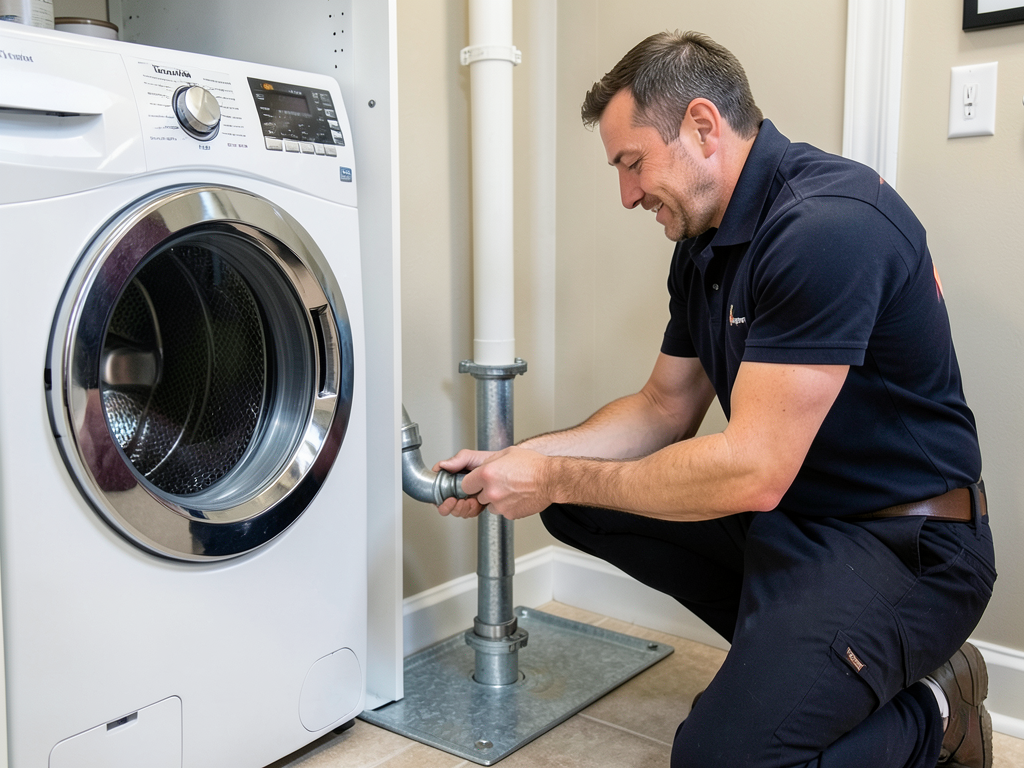
The California Plumbing Code requires overflow pans with proper drainage for all second-floor laundry installations. This isn’t just a recommendation—it’s a building requirement designed to protect your home and your neighbor’s property from water damage. A properly installed pan catches leaks from supply lines, drain hoses, or internal washer failures, directing water safely to a drain instead of your floor. California Plumbing Code.
Riverwalk’s concrete slab construction makes water damage particularly destructive. Water seeps into the concrete, travels along steel reinforcement, and causes hidden mold growth behind walls. By the time you see water stains on your ceiling, the damage already extends far beyond what’s visible.. Read more about Why your AC is leaking water inside your Moreno Valley home.
The hidden danger of upstairs laundry rooms
Most homeowners don’t realize their washing machine sits on a ticking time bomb. Supply hoses fail at a rate of about 78% of all washing machine failures, according to industry data. These rubber or reinforced PVC hoses crack from age, water pressure fluctuations, and the Inland Empire’s hard water mineral buildup. Why homeowners in Orangecrest are upgrading to tankless water heaters this year.
Riverwalk’s location near the Santa Ana River watershed means the area experiences periodic water pressure surges when the Western Municipal Water District adjusts flow rates. These pressure spikes can blow out aging hoses in seconds. The damage happens so fast that even being home doesn’t guarantee you’ll catch it in time. Western Municipal Water District.
Front-loading washers add another layer of risk. Their door seals fail from detergent buildup and hard water deposits common in Riverside’s municipal supply. When the seal fails, water pours directly onto your floor during the spin cycle—while you’re sleeping or away at work. The most common plumbing emergencies in La Sierra and how to solve them.
California Plumbing Code requirements for laundry overflow protection
California Plumbing Code Section 807.2 mandates that washing machines installed on floors above the lowest level must have an approved drain pan. The pan must be at least 1.5 inches larger than the appliance in all directions and constructed of corrosion-resistant material.. Read more about Keeping your Riverside home safe from a washing machine flood.
The code requires the pan to connect to an indirect waste pipe through an air gap. This prevents contaminated washing machine water from backing up into your clean water supply if the main drain clogs. Many DIY installations skip this critical air gap, creating a cross-connection violation that can fail inspection.. Read more about Understanding why your Riverside water bill suddenly skyrocketed.
Riverside County Building Safety enforces these requirements during both new construction and major remodeling projects. If you’re replacing flooring or reconfiguring your laundry area, inspectors will check for proper pan installation. Without it, you can’t get your final occupancy permit.
Plastic vs. galvanized steel pans: Which protects your home better?
Plastic pans offer the lowest upfront cost but create the highest long-term risk in Riverside’s climate. The Inland Empire’s summer temperatures regularly exceed 100 degrees, causing plastic to become brittle and crack. UV exposure through windows accelerates this degradation, creating failure points exactly when you need protection most.
Galvanized steel pans withstand Riverside’s temperature swings and resist the chemical reactions that occur when bleach and detergent mix with plastic. Steel pans maintain their structural integrity for 15-20 years versus 5-7 years for plastic. The initial $50-80 premium for steel often saves thousands in prevented damage.
Stainless steel represents the premium option for homeowners who want zero maintenance. These pans resist corrosion from Riverside’s mineral-heavy water and won’t crack under thermal stress. They cost about twice as much as galvanized steel but last the lifetime of your home.
| Material | Cost Range | Lifespan in Riverside | Best For |
|---|---|---|---|
| Plastic | $25-40 | 5-7 years | Budget installations, rarely used machines |
| Galvanized Steel | $75-120 | 15-20 years | Standard installations, most homes |
| Stainless Steel | $150-250 | Lifetime | Premium homes, harsh chemical exposure |
Proper drain line installation: The difference between protection and disaster
A pan without a proper drain becomes a shallow swimming pool that eventually overflows onto your floor. The drain connection requires specific techniques that most homeowners don’t know. The drain line must slope at least 1/4 inch per foot toward the main waste stack to prevent standing water that breeds bacteria.
Many DIY installations use undersized 1-inch drain lines that clog with lint and soap scum. The California Plumbing Code requires 1.5-inch minimum diameter for laundry drain lines. Smaller pipes trap debris, backing up during the washer’s drain cycle and causing the pan to overflow from the wrong source.
The air gap installation proves critical for preventing contamination. This simple fitting creates a visible break in the drain line where water can’t siphon back into your washer. Without it, a clogged main drain can pull dirty water back through your washing machine, contaminating clothes and creating health hazards.
Step-by-step installation process for maximum protection
Professional installation follows a specific sequence that ensures your overflow protection works when you need it most. Cutting corners at any step creates vulnerabilities that fail during your next vacation or overnight load.
- Pan Selection and Preparation
Choose a pan 1.5 inches larger than your washer dimensions. Clean the floor thoroughly and check for level. An unlevel pan creates low spots where water pools instead of draining.
- Drain Hole Drilling
Drill a 1.5-inch hole in the pan’s lowest point using a hole saw. Position the hole to align with existing drain lines when possible. Seal the edges with silicone to prevent rust formation.
- P-trap Installation
Install a P-trap below the pan to prevent sewer gases from entering your laundry room. The trap must maintain a water seal even when the washer isn’t running. Trenchless sewer repair options for historic homes in Victoria Park.
- Vibration Isolation
Add rubber vibration pads under the washer feet. These pads reduce noise and prevent the washer from walking out of position, which could cause it to tip and spill water over the pan’s edge.
- Final Testing
Fill the pan with water and verify complete drainage within 30 seconds. Check all connections for leaks using a moisture meter at pipe joints and fittings.
Smart leak detection integration for 2026
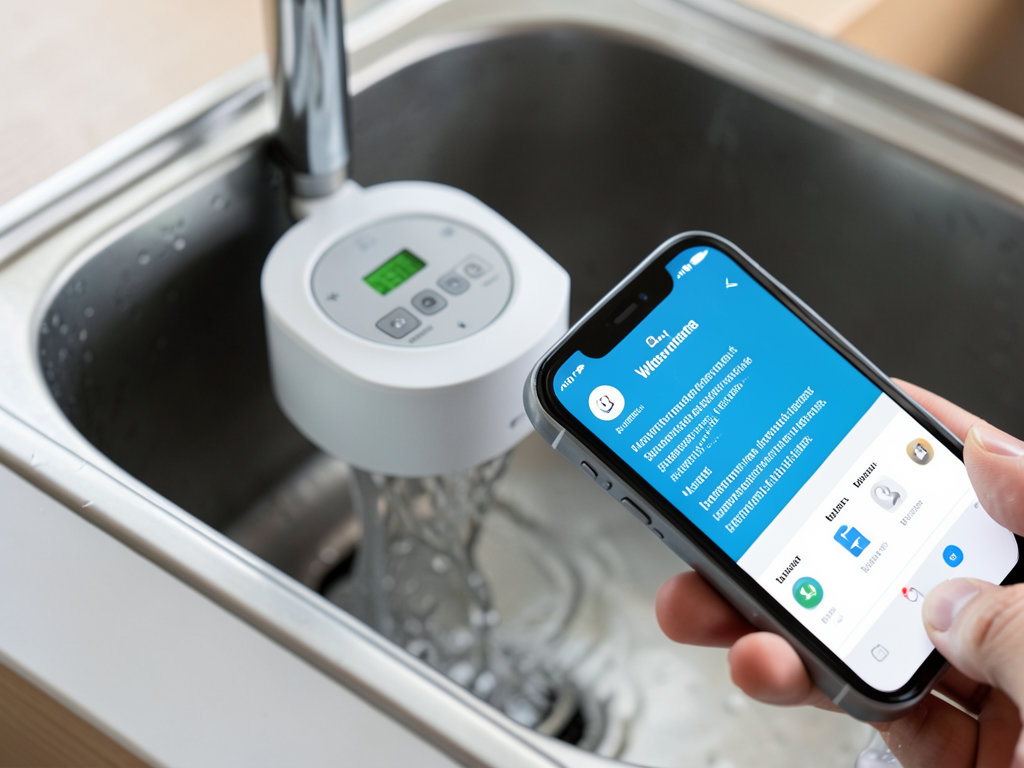
Modern laundry rooms combine physical protection with electronic monitoring. Smart water sensors placed in the overflow pan connect to your home automation system and send instant alerts to your phone when water appears. These sensors detect leaks within seconds, giving you time to shut off the water main before major damage occurs.
Automatic shut-off valves represent the next evolution in laundry room protection. These devices connect to your washer’s supply lines and cut water flow when sensors detect abnormal flow patterns or when you arm the system before leaving home. The technology prevents the 600-gallon-per-hour flood scenario entirely.
Many Riverwalk homeowners now integrate these systems with their Western Municipal Water District accounts. Some districts offer rebates for smart water monitoring devices that help detect leaks throughout your home, not just in the laundry room.
Signs your current overflow pan needs replacement
Cracks in your overflow pan create the exact vulnerability you installed it to prevent. Small hairline cracks expand rapidly under the weight of water and the vibration from your washing machine. Check your pan monthly by running a flashlight along all surfaces, looking for discoloration that indicates material degradation.
Standing water in the pan after the washer finishes draining signals a clog in the drain line or P-trap. This water becomes a breeding ground for bacteria and mold, creating health hazards and unpleasant odors. A properly functioning system should be completely dry within minutes of the washer finishing its cycle.
Corrosion around drain connections indicates galvanic reactions between dissimilar metals or chemical damage from laundry products. White powdery deposits suggest hard water scale buildup that can eventually block the drain entirely. These signs mean your pan system needs immediate professional attention.
Insurance implications: How proper installation affects your claim
Insurance companies scrutinize water damage claims more closely than any other type of home damage. A properly installed, code-compliant overflow pan with documented professional installation strengthens your claim position significantly. Many policies now require proof of proper protection for upstairs appliances as a condition of coverage.
Without proper overflow protection, insurers may deny claims entirely or reduce payouts based on negligence. The cost of installing a proper system often falls below your deductible, but the protection it provides during a major claim can save you tens of thousands in uncovered damages.
Document your installation with photos, receipts, and contractor information. This documentation proves due diligence to insurance adjusters and can mean the difference between a full settlement and a denied claim.
Cost factors for professional installation in Riverside
Professional overflow pan installation in Riverwalk typically costs between $350-600, depending on several factors. Basic installations in accessible laundry closets run at the lower end, while installations requiring wall modifications or drain line rerouting cost more.
Older Riverwalk townhomes often need supply line replacements along with pan installation. The rubber hoses installed in the early 2000s have reached their failure point and should be replaced with stainless steel braided lines during any laundry room work. This adds $150-250 to your project cost but prevents future supply line failures.
Emergency installations after discovering a leak cost significantly more due to water damage mitigation needs. Drying walls, replacing damaged drywall, and addressing mold growth can add $2,000-5,000 to what should have been a simple preventative installation.
Maintenance tips to keep your overflow protection working
Test your overflow system every three months by pouring a gallon of water into the pan. Verify it drains completely within 30 seconds and check for any leaks at connections. This simple test can catch problems before they cause damage.
Clean your P-trap annually by removing the cleanout plug and flushing with hot water. This prevents the lint and soap scum buildup that causes slow drainage and eventual overflow. Pour a cup of enzyme-based drain cleaner quarterly to break down organic buildup without damaging pipes.
Inspect your washer hoses every six months for signs of bulging, cracking, or corrosion at connection points. Replace hoses every five years regardless of appearance, as internal degradation occurs even when the exterior looks fine.
Frequently Asked Questions
Does an overflow pan need a drain in California?
Yes, California Plumbing Code requires the pan to connect to an indirect waste pipe through an air gap. A dry pan only catches the first few gallons before overflowing onto your floor.
How much does professional installation cost in Riverside?
Professional installation typically costs $350-600 in Riverwalk, with factors like accessibility and existing plumbing configuration affecting the final price. Emergency installations after damage occurs cost significantly more.
Can I install a pan under an existing machine myself?
While possible, DIY installation often violates code requirements like proper air gaps and P-trap installation. Professional installation ensures compliance with California Plumbing Code and provides documentation for insurance purposes.
How often should I replace my washing machine hoses?
Replace rubber hoses every 5 years and inspect them every 6 months for signs of wear. Stainless steel braided hoses last longer but should still be replaced every 7-10 years as a preventative measure.
What size pan do I need for my washer?
The pan must extend at least 1.5 inches beyond your washer dimensions in all directions. For a standard 27-inch washer, you need a 30-inch minimum width pan to meet code requirements.
Protect your Riverwalk home today
Don’t wait for water damage to discover your overflow protection isn’t working. A properly installed laundry room overflow pan costs far less than repairing water-damaged ceilings, walls, and personal belongings. The peace of mind alone makes it worth the investment.
Call (951) 309-5599 today to schedule your laundry room inspection. Our Riverside plumbers will evaluate your current setup, recommend the right protection for your home, and ensure everything meets California Plumbing Code requirements. We serve Riverwalk and all surrounding Riverside neighborhoods with fast, professional service. How to find a local plumber in Mission Grove who actually answers the phone.
Pick up the phone and call (951) 309-5599 before the next load of laundry becomes your worst nightmare. Your home deserves proper protection, and we’re here to provide it.
{
“@context”: “https://schema.org”,
“@type”: “BlogPosting”,
“headline”: “Why every upstairs laundry room in Riverwalk needs a properly drained overflow pan”,
“description”: “Protect your Riverwalk home from costly water damage with proper laundry room overflow pan installation. Learn local codes and prevent floods.”,
“wordCount”: 2063,
“datePublished”: “2026-05-14T14:29:00.000Z”,
“dateModified”: “2026-05-14T14:29:00.000Z”,
“inLanguage”: “en-US”,
“mainEntityOfPage”: {
“@type”: “WebPage”,
“@id”: “https://evergreenplumbingriverside.com”
},
“publisher”: {
“@type”: “LocalBusiness”,
“name”: “Evergreen Plumbing Riverside”,
“url”: “https://evergreenplumbingriverside.com”
},
“author”: {
“@type”: “Organization”,
“name”: “Evergreen Plumbing Riverside”,
“url”: “https://evergreenplumbingriverside.com”
},
“image”: {
“@type”: “ImageObject”,
“url”: “https://evergreenplumbingriverside.com/wp-content/uploads/2026/03/why-every-upstairs-laundry-room-in-riverwalk-needs-1.png”
}
}
{
“@context”: “https://schema.org”,
“@type”: “Plumber”,
“name”: “Evergreen Plumbing Riverside”,
“url”: “https://evergreenplumbingriverside.com”,
“address”: {
“@type”: “PostalAddress”,
“addressLocality”: “Riverside”
},
“areaServed”: {
“@type”: “City”,
“name”: “Riverside”
}
}
{
“@context”: “https://schema.org”,
“@type”: “FAQPage”,
“mainEntity”: [
{
“@type”: “Question”,
“name”: “Plastic vs. galvanized steel pans: Which protects your home better?”,
“acceptedAnswer”: {
“@type”: “Answer”,
“text”: “Plastic pans offer the lowest upfront cost but create the highest long-term risk in Riverside’s climate. The Inland Empire’s summer temperatures regularly exceed 100 degrees, causing plastic to become brittle and crack. UV exposure through windows accelerates this degradation, creating failure points exactly when you need protection most.”
}
},
{
“@type”: “Question”,
“name”: “Does an overflow pan need a drain in California?”,
“acceptedAnswer”: {
“@type”: “Answer”,
“text”: “Yes, California Plumbing Code requires the pan to connect to an indirect waste pipe through an air gap. A dry pan only catches the first few gallons before overflowing onto your floor.”
}
},
{
“@type”: “Question”,
“name”: “How much does professional installation cost in Riverside?”,
“acceptedAnswer”: {
“@type”: “Answer”,
“text”: “Professional installation typically costs $350-600 in Riverwalk, with factors like accessibility and existing plumbing configuration affecting the final price. Emergency installations after damage occurs cost significantly more.”
}
},
{
“@type”: “Question”,
“name”: “Can I install a pan under an existing machine myself?”,
“acceptedAnswer”: {
“@type”: “Answer”,
“text”: “While possible, DIY installation often violates code requirements like proper air gaps and P-trap installation. Professional installation ensures compliance with California Plumbing Code and provides documentation for insurance purposes.”
}
},
{
“@type”: “Question”,
“name”: “How often should I replace my washing machine hoses?”,
“acceptedAnswer”: {
“@type”: “Answer”,
“text”: “Replace rubber hoses every 5 years and inspect them every 6 months for signs of wear. Stainless steel braided hoses last longer but should still be replaced every 7-10 years as a preventative measure.”
}
},
{
“@type”: “Question”,
“name”: “What size pan do I need for my washer?”,
“acceptedAnswer”: {
“@type”: “Answer”,
“text”: “The pan must extend at least 1.5 inches beyond your washer dimensions in all directions. For a standard 27-inch washer, you need a 30-inch minimum width pan to meet code requirements.”
}
}
]
}
{
“@context”: “https://schema.org”,
“@type”: “HowTo”,
“name”: “How to install a laundry overflow pan”,
“step”: [
{
“@type”: “HowToStep”,
“position”: 1,
“name”: “Pan Selection and Preparation”,
“text”: “Choose a pan 1.5 inches larger than your washer dimensions. Clean the floor thoroughly and check for level. An unlevel pan creates low spots where water pools instead of draining.”
},
{
“@type”: “HowToStep”,
“position”: 2,
“name”: “Drain Hole Drilling”,
“text”: “Drill a 1.5-inch hole in the pan’s lowest point using a hole saw. Position the hole to align with existing drain lines when possible. Seal the edges with silicone to prevent rust formation.”
},
{
“@type”: “HowToStep”,
“position”: 3,
“name”: “P-trap Installation”,
“text”: “Install a P-trap below the pan to prevent sewer gases from entering your laundry room. The trap must maintain a water seal even when the washer isn’t running. Trenchless sewer repair options for historic homes in Victoria Park.”
},
{
“@type”: “HowToStep”,
“position”: 4,
“name”: “Vibration Isolation”,
“text”: “Add rubber vibration pads under the washer feet. These pads reduce noise and prevent the washer from walking out of position, which could cause it to tip and spill water over the pan’s edge.”
},
{
“@type”: “HowToStep”,
“position”: 5,
“name”: “Final Testing”,
“text”: “Fill the pan with water and verify complete drainage within 30 seconds. Check all connections for leaks using a moisture meter at pipe joints and fittings.”
}
],
“image”: “https://evergreenplumbingriverside.com/wp-content/uploads/2026/03/why-every-upstairs-laundry-room-in-riverwalk-needs-1.png”
}
{
“@context”: “https://schema.org”,
“@type”: “BreadcrumbList”,
“itemListElement”: [
{
“@type”: “ListItem”,
“position”: 1,
“name”: “Home”,
“item”: “https://evergreenplumbingriverside.com”
},
{
“@type”: “ListItem”,
“position”: 2,
“name”: “Blog”,
“item”: “https://evergreenplumbingriverside.com/blog”
},
{
“@type”: “ListItem”,
“position”: 3,
“name”: “Why every upstairs laundry room in Riverwalk needs a properly drained overflow pan”
}
]
}
{
“@context”: “https://schema.org”,
“@type”: “Service”,
“serviceType”: “Plumbing”,
“provider”: {
“@type”: “LocalBusiness”,
“name”: “Evergreen Plumbing Riverside”,
“url”: “https://evergreenplumbingriverside.com”
},
“areaServed”: {
“@type”: “City”,
“name”: “Riverside”
},
“description”: “Protect your Riverwalk home from costly water damage with proper laundry room overflow pan installation. Learn local codes and prevent floods.”
}