Keeping your Riverside home safe from a washing machine flood
Every year hundreds of Riverside homes face thousands of dollars in water damage from washing machine failures. The combination of aging plumbing infrastructure in Riverside’s historic neighborhoods and the city’s notoriously hard water creates a perfect storm for hose deterioration and valve failure. The good news is that most washing machine floods are preventable with the right knowledge and equipment. The most common plumbing emergencies in La Sierra and how to solve them.
Water pressure in Riverside can fluctuate between 40-80 PSI depending on your elevation and proximity to water mains putting extra stress on rubber components. When a supply hose bursts you could be losing up to 650 gallons per hour before you even notice the problem. That’s why understanding the vulnerability points in your laundry room setup is crucial for every Riverside homeowner. Emergency Water Shut-Off Service.
The High Cost of Water Damage in Riverside
According to local insurance data the average water damage claim in Riverside County ranges from $5000 to $15000 with washing machine failures accounting for nearly 30% of these incidents. The damage extends far beyond just replacing flooring. Water can wick up drywall damage electrical systems and create the perfect environment for mold growth within 24-48 hours. How to find a local plumber in Mission Grove who actually answers the phone.
Riverside’s clay-rich soil presents an additional challenge. When water saturates the ground around your home’s foundation it can cause soil expansion and contraction that leads to foundation cracks. These cracks can then allow water to seep into basements or crawl spaces compounding the damage from the original leak.
The financial impact is even more severe for Riverside’s many mid-century homes in neighborhoods like Canyon Crest and Orangecrest. These properties often have original plumbing that’s nearing the end of its service life making them particularly vulnerable to catastrophic failures. Why homeowners in Orangecrest are upgrading to tankless water heaters this year.
Top 5 Vulnerability Points in Your Laundry Room
Understanding where washing machine leaks typically occur can help you focus your prevention efforts. Here are the five most common failure points:
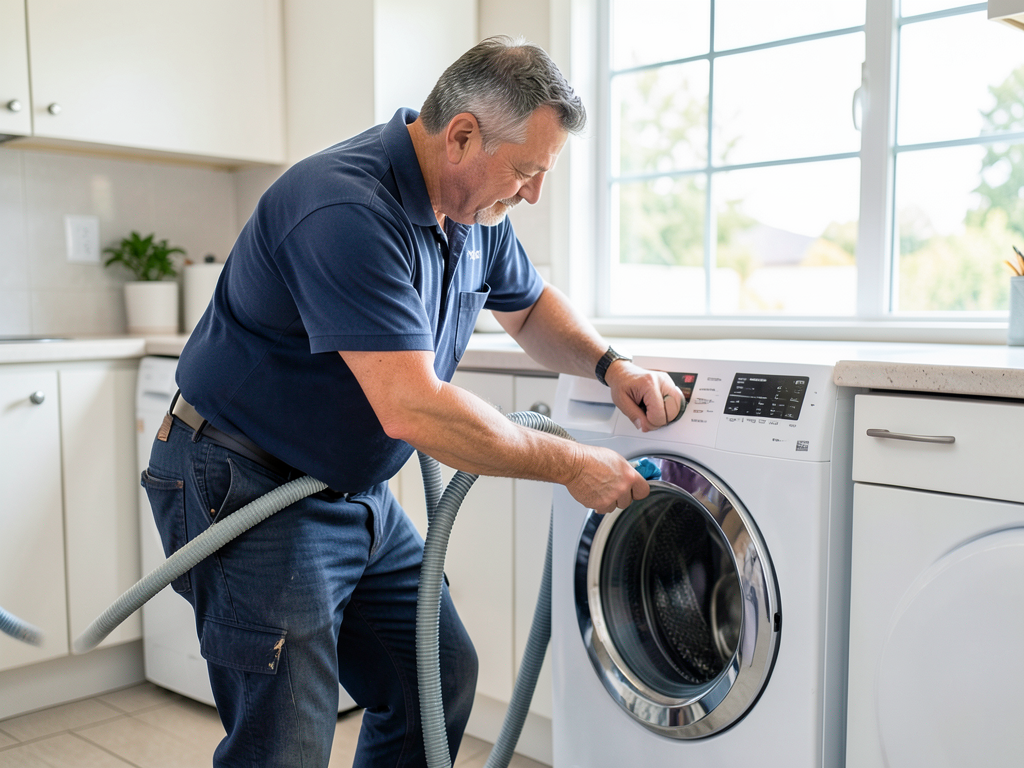
- Supply Hoses – The rubber hoses connecting your washing machine to the water supply are often the weakest link. Under constant pressure and Riverside’s mineral-rich water these hoses can fail catastrophically.
- Internal Valves – The solenoid valves that control water flow to your washer can develop mineral buildup and eventually fail causing continuous water flow even when the machine is off.
- Drain Lines – Clogged or improperly installed drain lines can cause water to back up and overflow especially during the washer’s drain cycle.
- Pump Seals – The seals around your washing machine’s internal pump can wear out over time causing slow leaks that may go unnoticed for weeks.
- Standpipes – The vertical pipe where your washer drains can become clogged with lint and debris causing overflow during heavy use.
Regular inspection of these components can help you catch problems before they escalate into major floods. Look for signs of corrosion bulging hoses or water stains around connection points.
Hard Water & Hose Decay: The Riverside Connection
Riverside’s water supply comes primarily from the Metropolitan Water District which draws from the Colorado River and Northern California. This water carries high levels of dissolved minerals particularly calcium and magnesium which create the hard water conditions that affect everything from your skin to your plumbing. California Public Utilities Commission.
Hard water accelerates the breakdown of rubber components in washing machine hoses. The minerals form deposits on the inner walls of the hoses creating rough surfaces that cause internal wear. Over time this leads to thinning of the hose walls and eventual failure.
According to the California Plumbing Code Section 608.8 washing machine supply lines in residential applications should be protected with either an automatic shut-off valve or a flood alarm system. However many older Riverside homes were built before these requirements were standard practice.
The lifespan of standard rubber washing machine hoses in Riverside is typically 3-5 years compared to 5-7 years in areas with softer water. This means that if you haven’t replaced your hoses since moving in they’re likely overdue for replacement.
Advanced Prevention Tech: Smart Shut-off Valves
Modern technology offers several options for preventing washing machine floods before they start. Smart water shut-off valves can detect leaks and automatically cut off the water supply potentially saving you thousands in damage.
Electronic shut-off systems like FloodStop use sensors placed around your washing machine. When water is detected where it shouldn’t be the system immediately closes the supply valves and sounds an alarm. These systems typically cost between $200-$400 installed and can pay for themselves with one prevented flood.
Pressure-sensitive valves work differently by monitoring the water pressure in your supply lines. When a hose bursts and pressure drops these valves automatically shut off the water supply. They’re particularly effective for preventing the catastrophic failures that occur when you’re away from home.
Some advanced systems now integrate with smart home platforms sending alerts to your phone when they detect a problem. This allows you to respond immediately even if you’re at work or on vacation.
DIY Maintenance Checklist vs. Professional Inspection
Both homeowners and professionals have important roles to play in preventing washing machine floods. Here’s what you can do yourself versus what requires a licensed plumber:
| Maintenance Task | DIY Frequency | Professional Inspection |
|---|---|---|
| Check hoses for bulges or cracks | Monthly | Annual |
| Clean lint filter and drain pump | Quarterly | Annual |
| Test shut-off valves | Every 6 months | Annual |
| Inspect floor for water damage | Monthly | Annual |
| Check water pressure | Annually | Annual |
| Replace supply hoses | Every 3-5 years | As needed |
Professional plumbers can perform tests that homeowners cannot such as checking for proper grounding of washing machine components testing the integrity of drain lines with specialized equipment and ensuring that all connections meet current building codes.
Emergency Steps: What to Do if a Leak Starts
Even with the best prevention leaks can still happen. Knowing what to do in those first critical minutes can mean the difference between a minor cleanup and major reconstruction.
- Locate the Main Water Shut-off Valve
Most Riverside homes have the main shut-off valve in the garage near the water heater or outside near the front hose bib. Turn the valve clockwise to shut off water to the entire house.
- Shut Off the Washing Machine Valves
If you can safely access the washing machine supply valves behind the unit turn both the hot and cold valves clockwise to isolate the leak.
- Unplug the Washing Machine
Remove the electrical hazard by unplugging the machine. Never touch electrical components if you’re standing in water.
- Contain the Water
Use towels buckets or a wet/dry vacuum to prevent water from spreading to other areas of your home.
- Document the Damage
Take photos and videos for insurance purposes before beginning cleanup. This documentation is crucial for claims processing.
For severe leaks especially those affecting electrical systems or causing structural damage it’s important to call a professional immediately. The longer water sits the more damage it causes.
Choosing the Right Protection for Your Riverside Home
The best flood prevention strategy depends on your specific situation. Here are some factors to consider:
If your washing machine is in a second-floor laundry room the potential for damage is much higher since water can travel through floors and ceilings. In these cases a combination of automatic shut-off valves and a drain pan with proper drainage is essential.
For homes with finished basements consider installing a water alarm system that can alert you to even small leaks before they become major problems. These systems are particularly valuable in Riverside’s older neighborhoods where plumbing may be nearing the end of its useful life.
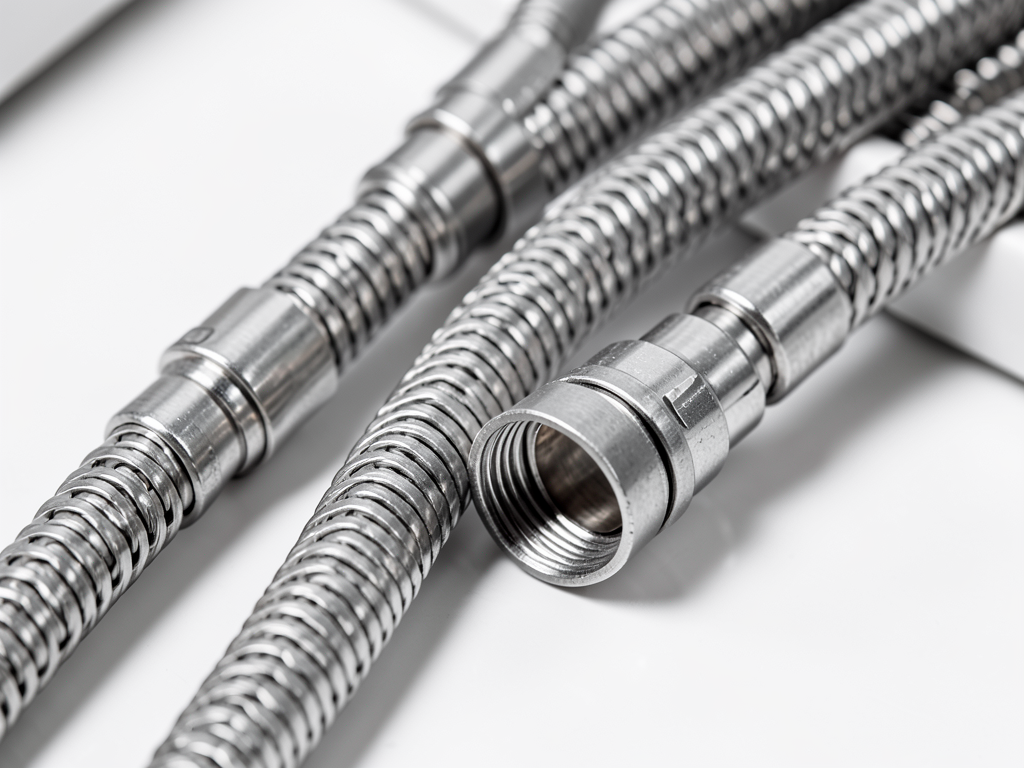
If you have hard water upgrading to braided stainless steel hoses with auto-shutoff connectors provides an extra layer of protection. These hoses are designed to withstand the mineral buildup that destroys standard rubber hoses.
Remember that while DIY prevention is important some tasks require professional expertise. Improper installation of flood prevention devices can actually create new hazards or violate local building codes.
Seasonal Considerations for Riverside Residents
Riverside’s climate creates some unique challenges for washing machine flood prevention. During summer months higher temperatures can cause rubber components to become more brittle and prone to cracking. The intense heat can also cause thermal expansion in water supply lines increasing pressure on connections.
Winter brings different concerns. While Riverside rarely experiences freezing temperatures occasional cold snaps can cause pipes to contract and connections to loosen. Additionally winter rains can increase the water table around your home potentially affecting drainage systems.
Spring is an ideal time for a comprehensive plumbing inspection as it allows you to address any winter damage before the summer heat arrives. Fall is also a good time to check your system before the rainy season begins.
Understanding these seasonal patterns can help you time your maintenance activities for maximum effectiveness.
The Cost of Prevention vs. the Cost of Damage
Investing in flood prevention measures is significantly less expensive than dealing with water damage after it occurs. Here’s a comparison of typical costs: Dealing with a slab leak in your Canyon Crest home (How to fix it fast).
| Prevention Measure | Typical Cost | Potential Savings |
|---|---|---|
| Braided stainless steel hoses | $20-$50 per hose | Prevents $3000-$10000 in damage |
| Automatic shut-off valve | $200-$400 installed | Prevents $5000-$15000 in damage |
| Professional inspection | $100-$200 | Identifies problems early preventing major damage |
| Water alarm system | $50-$150 | Provides early warning to minimize damage |
The math is clear: spending a few hundred dollars on prevention can save you thousands in potential damage. Plus many insurance companies offer premium discounts for homes with flood prevention systems installed.
Local Building Codes and Requirements
Riverside County follows the California Plumbing Code which has specific requirements for washing machine installations. According to Section 418.3 washing machine outlets must be equipped with a floor drain or a drain pan connected to the drainage system.
The code also requires that washing machine supply valves be accessible and operable. This means you should be able to reach the shut-off valves without moving the washing machine which is crucial during an emergency.
For homes in historic districts like the Mission Inn area there may be additional requirements or restrictions on visible plumbing modifications. Always check with the city’s Building and Safety Department before making major changes to your laundry room setup.
Commercial properties in Riverside have even stricter requirements including mandatory installation of leak detection systems in multi-unit buildings and businesses.
Common Myths About Washing Machine Flood Prevention
There’s a lot of misinformation about preventing washing machine floods. Let’s clear up some common myths:
- Myth: Turning off the washing machine stops water flow – False. The water supply valves remain under pressure even when the machine is off so a burst hose can still cause flooding.
- Myth: All stainless steel hoses are the same – False. Quality varies significantly between manufacturers and some inexpensive options may not provide adequate protection.
- Myth: Hard water only affects drinking quality – False. Hard water affects all plumbing components accelerating wear and increasing the risk of failures.
- Myth: Newer homes don’t need flood prevention – False. Even new construction can have defects or experience unexpected failures.
Understanding the facts helps you make better decisions about protecting your home.
Professional Installation: When to Call the Experts
While many flood prevention measures can be DIY projects some situations require professional expertise. Consider calling a licensed plumber when:
- You’re installing complex systems like whole-house automatic shut-off valves
- Your laundry room is in a finished area where mistakes could cause significant damage
- You’re dealing with older plumbing that may have corrosion or other issues
- You need to ensure compliance with local building codes
- You want a comprehensive inspection of your entire plumbing system
Professional installation ensures that your flood prevention measures work correctly and meet all safety standards. It also provides documentation that may be required by insurance companies.
Taking Action Today to Protect Your Home
Protecting your Riverside home from washing machine floods doesn’t have to be complicated or expensive. Start with these simple steps:
- Inspect your current washing machine hoses for signs of wear
- Locate and test your main water shut-off valve
- Consider upgrading to braided stainless steel hoses
- Install a simple water alarm near your washing machine
- Schedule a professional inspection if your home is over 10 years old
Remember that the cost of prevention is always less than the cost of recovery. A small investment today can save you thousands tomorrow.
Don’t wait until you’re standing in a flooded laundry room to take action. The peace of mind that comes with knowing your home is protected is worth every penny of prevention.
Frequently Asked Questions
How often should I replace my washing machine hoses?
Standard rubber washing machine hoses should be replaced every 3-5 years in Riverside due to the effects of hard water. Braided stainless steel hoses typically last 7-10 years but should still be inspected annually for signs of wear.
Can I install a flood prevention system myself?
Simple systems like water alarms and basic shut-off valves can be DIY projects for handy homeowners. However complex systems that integrate with your home’s plumbing should be installed by a licensed professional to ensure proper function and code compliance.
What should I do if I discover a leak while I’m away from home?
If you have a smart water monitoring system it may have already shut off your water supply. If not call a trusted neighbor or friend to check on your home immediately. Many professional plumbers offer emergency response services for situations like this.
Are washing machine floods covered by homeowners insurance?
Most standard homeowners policies cover sudden and accidental water damage including washing machine failures. However damage from lack of maintenance or gradual leaks may not be covered. Check your specific policy and consider adding water damage coverage if you’re concerned.
How much does it cost to install a flood prevention system?
Basic systems like water alarms cost $50-$150 while comprehensive automatic shut-off systems range from $200-$400 for the equipment plus installation costs. Professional installation of a complete flood prevention system typically costs $300-$800 depending on your home’s configuration.
Water damage from washing machine failures is one of the most common and costly home disasters in Riverside. But with the right knowledge and prevention measures you can protect your home and your peace of mind. Don’t wait for disaster to strike – take action today to secure your home against washing machine floods.
Call (951) 309-5599 today to schedule your washing machine flood prevention inspection. Our experienced Riverside plumbers can identify potential problems and recommend the best solutions for your specific situation. Protect your home before the next disaster strikes. For more information, visit Metropolitan Water District of Southern California.
{
“@context”: “https://schema.org”,
“@type”: “BlogPosting”,
“headline”: “Keeping your Riverside home safe from a washing machine flood”,
“description”: “Protect your Riverside home from costly washing machine floods with expert prevention tips. Learn about local water issues, smart tech, and emergency steps.”,
“wordCount”: 2474,
“datePublished”: “2026-06-06T08:23:00.000Z”,
“dateModified”: “2026-06-06T08:23:00.000Z”,
“inLanguage”: “en-US”,
“mainEntityOfPage”: {
“@type”: “WebPage”,
“@id”: “https://evergreenplumbingriverside.com”
},
“publisher”: {
“@type”: “LocalBusiness”,
“name”: “Evergreen Plumbing Riverside”,
“url”: “https://evergreenplumbingriverside.com”
},
“author”: {
“@type”: “Organization”,
“name”: “Evergreen Plumbing Riverside”,
“url”: “https://evergreenplumbingriverside.com”
},
“image”: {
“@type”: “ImageObject”,
“url”: “https://evergreenplumbingriverside.com/wp-content/uploads/2026/03/keeping-your-riverside-home-safe-from-a-washing-ma-1.png”
}
}
{
“@context”: “https://schema.org”,
“@type”: “Plumber”,
“name”: “Evergreen Plumbing Riverside”,
“url”: “https://evergreenplumbingriverside.com”,
“address”: {
“@type”: “PostalAddress”,
“addressLocality”: “Riverside”
},
“areaServed”: {
“@type”: “City”,
“name”: “Riverside”
}
}
{
“@context”: “https://schema.org”,
“@type”: “FAQPage”,
“mainEntity”: [
{
“@type”: “Question”,
“name”: “How often should I replace my washing machine hoses?”,
“acceptedAnswer”: {
“@type”: “Answer”,
“text”: “Standard rubber washing machine hoses should be replaced every 3-5 years in Riverside due to the effects of hard water. Braided stainless steel hoses typically last 7-10 years but should still be inspected annually for signs of wear.”
}
},
{
“@type”: “Question”,
“name”: “Can I install a flood prevention system myself?”,
“acceptedAnswer”: {
“@type”: “Answer”,
“text”: “Simple systems like water alarms and basic shut-off valves can be DIY projects for handy homeowners. However complex systems that integrate with your home’s plumbing should be installed by a licensed professional to ensure proper function and code compliance.”
}
},
{
“@type”: “Question”,
“name”: “What should I do if I discover a leak while I’m away from home?”,
“acceptedAnswer”: {
“@type”: “Answer”,
“text”: “If you have a smart water monitoring system it may have already shut off your water supply. If not call a trusted neighbor or friend to check on your home immediately. Many professional plumbers offer emergency response services for situations like this.”
}
},
{
“@type”: “Question”,
“name”: “Are washing machine floods covered by homeowners insurance?”,
“acceptedAnswer”: {
“@type”: “Answer”,
“text”: “Most standard homeowners policies cover sudden and accidental water damage including washing machine failures. However damage from lack of maintenance or gradual leaks may not be covered. Check your specific policy and consider adding water damage coverage if you’re concerned.”
}
},
{
“@type”: “Question”,
“name”: “How much does it cost to install a flood prevention system?”,
“acceptedAnswer”: {
“@type”: “Answer”,
“text”: “Basic systems like water alarms cost $50-$150 while comprehensive automatic shut-off systems range from $200-$400 for the equipment plus installation costs. Professional installation of a complete flood prevention system typically costs $300-$800 depending on your home’s configuration.”
}
}
]
}
{
“@context”: “https://schema.org”,
“@type”: “HowTo”,
“name”: “Emergency Leak Response”,
“step”: [
{
“@type”: “HowToStep”,
“position”: 1,
“name”: “Locate the Main Water Shut-off Valve”,
“text”: “Most Riverside homes have the main shut-off valve in the garage near the water heater or outside near the front hose bib. Turn the valve clockwise to shut off water to the entire house.”
},
{
“@type”: “HowToStep”,
“position”: 2,
“name”: “Shut Off the Washing Machine Valves”,
“text”: “If you can safely access the washing machine supply valves behind the unit turn both the hot and cold valves clockwise to isolate the leak.”
},
{
“@type”: “HowToStep”,
“position”: 3,
“name”: “Unplug the Washing Machine”,
“text”: “Remove the electrical hazard by unplugging the machine. Never touch electrical components if you’re standing in water.”
},
{
“@type”: “HowToStep”,
“position”: 4,
“name”: “Contain the Water”,
“text”: “Use towels buckets or a wet/dry vacuum to prevent water from spreading to other areas of your home.”
},
{
“@type”: “HowToStep”,
“position”: 5,
“name”: “Document the Damage”,
“text”: “Take photos and videos for insurance purposes before beginning cleanup. This documentation is crucial for claims processing.”
}
],
“image”: “https://evergreenplumbingriverside.com/wp-content/uploads/2026/03/keeping-your-riverside-home-safe-from-a-washing-ma-1.png”
}
{
“@context”: “https://schema.org”,
“@type”: “BreadcrumbList”,
“itemListElement”: [
{
“@type”: “ListItem”,
“position”: 1,
“name”: “Home”,
“item”: “https://evergreenplumbingriverside.com”
},
{
“@type”: “ListItem”,
“position”: 2,
“name”: “Blog”,
“item”: “https://evergreenplumbingriverside.com/blog”
},
{
“@type”: “ListItem”,
“position”: 3,
“name”: “Keeping your Riverside home safe from a washing machine flood”
}
]
}
{
“@context”: “https://schema.org”,
“@type”: “Service”,
“serviceType”: “Plumbing”,
“provider”: {
“@type”: “LocalBusiness”,
“name”: “Evergreen Plumbing Riverside”,
“url”: “https://evergreenplumbingriverside.com”
},
“areaServed”: {
“@type”: “City”,
“name”: “Riverside”
},
“description”: “Protect your Riverside home from costly washing machine floods with expert prevention tips. Learn about local water issues, smart tech, and emergency steps.”
}