The truth about why chemical drain cleaners are ruining your older Riverside pipes
Have you ever poured a bottle of chemical drain cleaner down a slow sink, hoping for a quick fix? Many Riverside homeowners have, but the truth is far more damaging than you might expect. Chemical drain cleaners can cause severe harm to your plumbing system, especially in older Riverside homes with aging pipes. These harsh chemicals can corrode metal pipes, warp PVC, and even destroy the beneficial bacteria in septic systems. In this guide, we’ll break down exactly how these cleaners work, what they do to your pipes, and what safer alternatives exist for keeping your drains clear without risking thousands in plumbing damage. Why homeowners in Orangecrest are upgrading to tankless water heaters this year.
How chemical drain cleaners actually work (and how they fail)
Chemical drain cleaners rely on extremely harsh substances to break down clogs. The most common types contain either sodium hydroxide (lye) or sulfuric acid. When these chemicals contact organic matter like hair, grease, or food particles, they trigger violent chemical reactions that generate intense heat. This heat can reach temperatures over 200 degrees Fahrenheit, enough to soften and warp PVC pipes or accelerate corrosion in metal plumbing. The most common plumbing emergencies in La Sierra and how to solve them.
The problem is that these reactions don’t just affect the clog. They attack everything in their path, including the pipe walls themselves. In Riverside’s older neighborhoods like Canyon Crest and Magnolia Center, where many homes still have original galvanized steel or cast iron plumbing from the 1960s and 1970s, this damage happens quickly. The protective zinc coating on galvanized pipes wears away over time, leaving raw steel vulnerable to the caustic chemicals. Even newer PVC pipes aren’t safe – the extreme heat can cause warping, cracking, and eventual failure at the joints. Dealing with a slab leak in your Canyon Crest home (How to fix it fast).
Another failure point is that chemical cleaners often can’t reach the actual clog. If the blockage is deep in your main sewer line or caused by tree roots, the chemicals might just sit in your pipes, continuing to eat away at the pipe material without solving the underlying problem. This creates a dangerous situation where you have both a persistent clog and weakened pipes that could fail catastrophically. Trenchless sewer repair options for historic homes in Victoria Park.
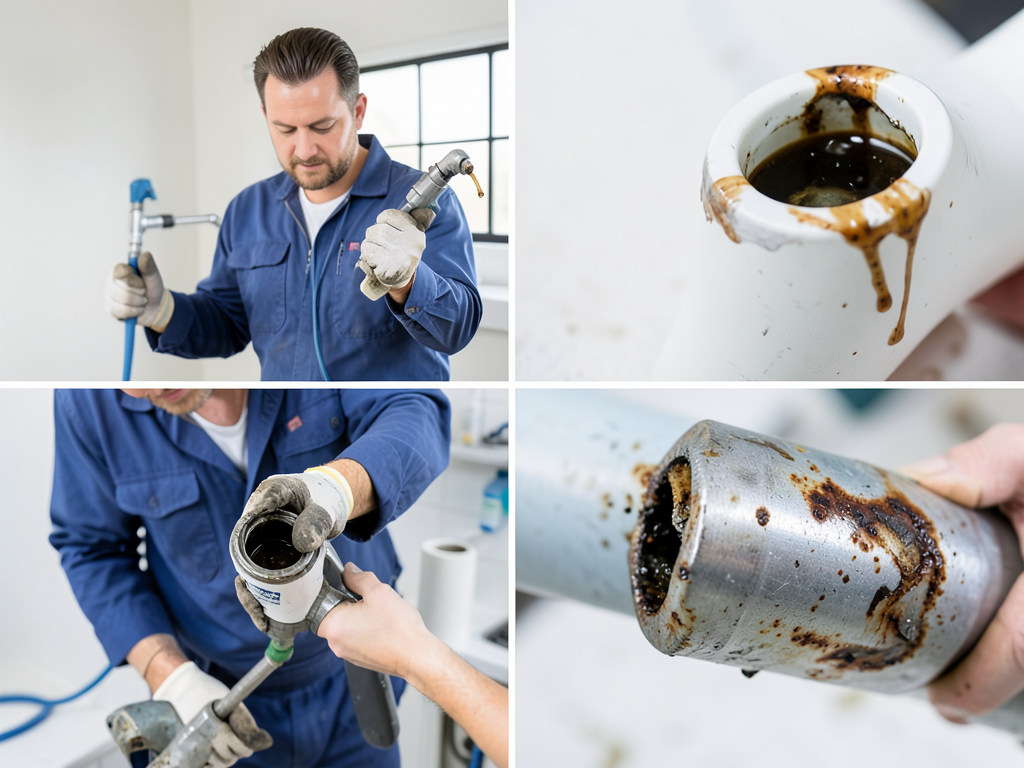
Diagram showing chemical reaction damage to different pipe materials including PVC warping and metal corrosion
Pipe materials vs. chemicals: A risk assessment
Not all pipes react the same way to chemical cleaners. Understanding your home’s plumbing material is crucial for assessing risk. Here’s how different pipe types respond to chemical exposure:. Read more about Essential plumbing considerations before building an ADU in your Wood Streets backyard.
| Pipe Material | Age Range in Riverside | Chemical Reaction Risk | Typical Failure Mode |
|---|---|---|---|
| Galvanized Steel | 1940s-1980s | High – severe corrosion | Pinhole leaks, complete pipe failure |
| Cast Iron | 1900s-1970s | High – accelerated rusting | Cracks, joint separation |
| Copper | 1950s-present | Moderate – etching | Thinning walls, green corrosion |
| PVC | 1970s-present | High – heat damage | Softening, warping, joint failure |
| PEX | 2000s-present | Low – chemical resistant | Minimal immediate damage |
According to the EPA’s Safe Drinking Water Act regulations, chemical drain cleaners fall under hazardous household products that should be used with extreme caution. The California Department of Toxic Substances Control specifically warns against using these products in homes with septic systems, as they can kill the beneficial bacteria needed for waste breakdown. EPA Safe Drinking Water Act.
Safety hazards you can’t ignore
Beyond pipe damage, chemical drain cleaners pose serious safety risks to your household. The same corrosive properties that eat through clogs can cause severe chemical burns to skin and eyes. Children and pets are particularly vulnerable to accidental exposure. The fumes from these products can irritate lungs and trigger asthma attacks, especially problematic in Riverside’s already air-quality-challenged environment.
There’s also a hidden danger for professional plumbers. If you’ve recently used chemical cleaners and then call a plumber, those chemicals can splash back during snaking or hydro-jetting operations. This has caused serious injuries to plumbing professionals who weren’t warned about recent chemical use. Always inform your plumber if you’ve tried chemical solutions before they begin work. How to find a local plumber in Mission Grove who actually answers the phone.
The environmental impact extends beyond your home. Chemical drain cleaners that make it through your plumbing system can contaminate groundwater and local waterways. The Santa Ana River and its tributaries, which flow through Riverside County, are particularly sensitive to chemical pollution. The Riverside Public Utilities Department actively discourages chemical drain cleaner use as part of their watershed protection program.
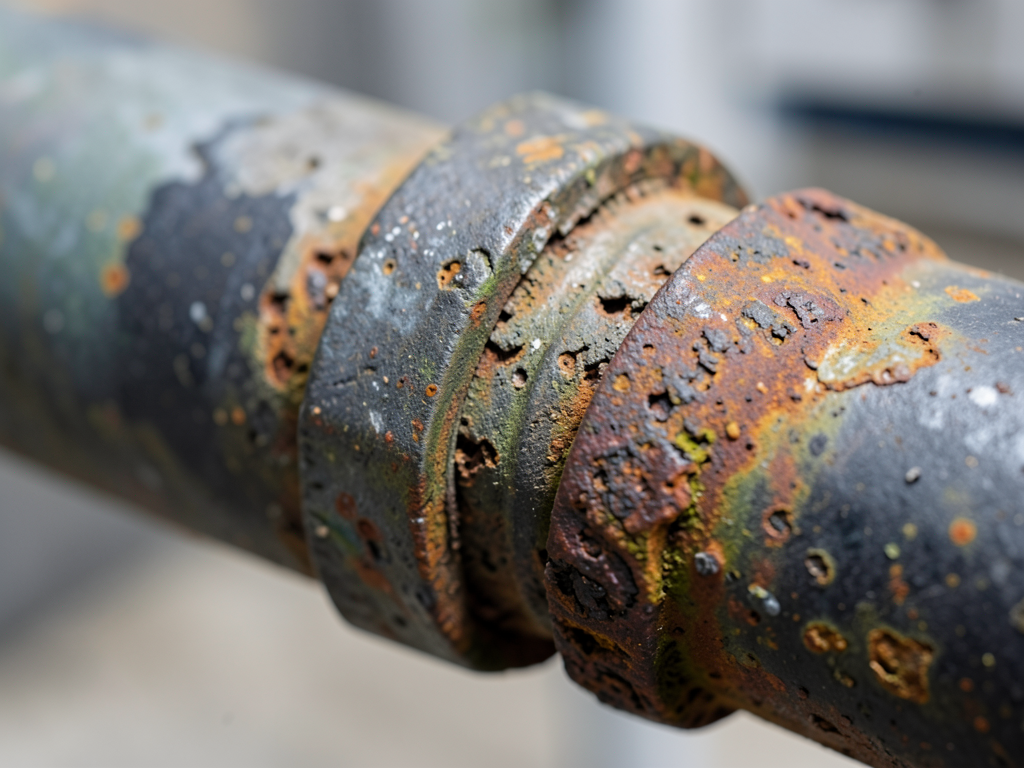
Photo showing corroded pipe joint from chemical cleaner exposure with visible pitting and discoloration
Safe alternatives for Riverside residents
Fortunately, there are several effective alternatives that won’t damage your pipes or endanger your family. Enzyme-based drain cleaners use natural bacteria and enzymes to break down organic matter. These products are safe for all pipe types, including older galvanized and cast iron systems common in Riverside’s historic neighborhoods. They work more slowly than chemical cleaners but provide ongoing maintenance benefits by establishing beneficial bacterial colonies in your drains.
For immediate clogs, mechanical methods are often the safest and most effective. A good quality plunger can clear most bathroom sink and toilet clogs without any chemicals. For tougher blockages, a manual drain snake (also called an auger) can reach deep into pipes to break up or retrieve clogs. These tools cost between $15-50 at local hardware stores like Riverside Ace Hardware on Van Buren, making them an economical first choice.
Preventive maintenance is key in Riverside’s hard water conditions. Mineral buildup from our high-calcium water can trap debris and create stubborn clogs. Installing a water softener system can reduce scale formation throughout your plumbing. Regular hot water flushes (monthly) can help dissolve grease before it solidifies in your pipes. For kitchen sinks, a simple mixture of baking soda and vinegar followed by boiling water can help maintain clear drains without harsh chemicals.. Read more about Simple ways to keep tree roots out of your Rubidoux sewer line for good.
When the DIY stops: Signs you need a professional drain cleaning
Sometimes, despite your best efforts, a clog requires professional attention. Here are the warning signs that indicate it’s time to call a Riverside plumber:
- Multiple drains backing up simultaneously – this suggests a main line blockage rather than a localized clog
- Sewer odors coming from drains or your yard – indicates potential sewer line damage
- Recurring clogs in the same drain despite multiple cleaning attempts
- Gurgling sounds from drains when using other plumbing fixtures
- Water backing up in unexpected places (like your bathtub when you flush the toilet)
Professional plumbers use methods like hydro-jetting, which employs high-pressure water (up to 4,000 PSI) to scour pipes clean without chemicals. This method is particularly effective for Riverside homes with tree root intrusion, a common problem in neighborhoods with mature landscaping like Victoria Woods and Hawarden Hills.
Another professional option is video pipe inspection. Using a small camera fed through your plumbing, technicians can identify the exact location and nature of blockages, corrosion, or damage. This diagnostic approach prevents unnecessary work and helps you make informed decisions about repairs versus replacement.
Technician using hydro-jetting equipment on a Riverside residential drain line
What to do if you already poured chemical cleaner
If you’ve already used chemical drain cleaner and are now concerned about damage, here are immediate steps to take. First, do not use the affected drain for at least 24 hours to allow any remaining chemicals to dissipate. Flush the drain thoroughly with cold water, not hot, as hot water can activate remaining chemicals. Do not plunge or snake the drain yourself, as this could cause chemical splashback.
Watch for signs of pipe damage over the next few weeks. These include new leaks under sinks, reduced water pressure, discolored water, or unusual sounds from your plumbing. If you notice any of these issues, call a professional immediately. The cost of early intervention is far less than dealing with a burst pipe or major leak.
For homes with septic systems, monitor for signs of system distress. Chemical damage to septic tanks can cause sewage backups, foul odors in your yard, or unusually lush grass over the drain field. These indicate that the bacterial balance in your septic system has been disrupted and requires professional attention.
The cost of chemical cleaner damage vs. professional service
Let’s talk numbers. A bottle of chemical drain cleaner costs $8-15, but the potential damage it causes can cost thousands to repair. Replacing corroded galvanized pipes in a typical Riverside home can cost $2,000-5,000 depending on accessibility and the extent of damage. Emergency repairs for burst pipes often cost 30-50% more than scheduled work.
Professional drain cleaning services in Riverside typically range from $150-400 for standard clogs, with hydro-jetting running $300-600. While this seems expensive compared to chemical cleaners, it’s actually more economical when you consider the risks. Professional services include diagnosis to ensure you’re solving the right problem, and they won’t damage your pipes in the process.
Many Riverside plumbers offer maintenance plans that include annual drain cleaning and inspection for around $200-300 per year. This proactive approach prevents emergency situations and extends the life of your plumbing system. Given that Riverside’s hard water and older housing stock create unique plumbing challenges, this investment often pays for itself within a few years through prevented damage.
Local regulations and environmental considerations
Riverside County follows California’s strict environmental regulations regarding household chemicals. The California Code of Regulations Title 22 classifies many chemical drain cleaners as hazardous waste. Improper disposal (like pouring unused product down drains) can result in fines up to $25,000 per violation. California Department of Toxic Substances Control.
The Western Riverside Council of Governments operates household hazardous waste collection facilities where you can safely dispose of unused chemical cleaners. The Riverside facility at 2390 Agua Mansa Road accepts these products free of charge for residents. Never mix different chemical cleaners, as this can create toxic gases or even explosive reactions.
Riverside’s water quality is generally good, with a hardness level around 250-300 ppm (parts per million), which is considered hard. This mineral content contributes to scale buildup in pipes, making them more susceptible to chemical damage. The Riverside Public Utilities Department recommends water softeners for homes with significant scale issues, as this can reduce the need for aggressive clog removal methods.
Making the right choice for your Riverside home
Your home’s age, pipe material, and local water conditions all factor into the best approach for drain maintenance. Homes in Riverside’s older neighborhoods like Grand, Ramona, and the Wood Streets likely have galvanized or cast iron plumbing that’s particularly vulnerable to chemical damage. Newer developments in Eastvale and Jurupa Valley with PVC plumbing face different risks from heat damage.
Consider your home’s specific vulnerabilities. If you have a septic system, chemical cleaners are particularly dangerous. If you live in an area with large trees, mechanical root removal might be necessary alongside drain maintenance. The key is matching the solution to your actual problem rather than reaching for a one-size-fits-all chemical fix.
Education is your best defense against plumbing damage. Understanding what’s happening in your pipes helps you make informed decisions. Chemical drain cleaners might seem like a quick fix, but they often create bigger problems that cost more to solve than professional service would have initially.
Remember that your plumbing system is a significant investment in your home. Protecting it with appropriate maintenance and avoiding harmful shortcuts will save you money and headaches in the long run. When in doubt, consult with a local Riverside plumber who understands our specific water conditions and common plumbing issues in the area.
Don’t let a $10 bottle of chemicals cost you thousands in pipe repairs. Call (951) 309-5599 today to schedule your inspection and learn about safe, effective drain maintenance options for your Riverside home.
Frequently Asked Questions
Are chemical drain cleaners ever safe to use?
Chemical drain cleaners are rarely safe for any plumbing system. They can damage pipes, harm the environment, and pose health risks. Safer alternatives include enzyme cleaners, mechanical methods like plunging or snaking, and professional hydro-jetting services.
How can I tell what type of pipes I have in my Riverside home?
You can usually identify pipe material by appearance: galvanized steel is gray and magnetic, copper is reddish-brown, PVC is white plastic, and PEX is flexible colored tubing. If you’re unsure, a plumber can perform a video inspection to identify your pipe types and their condition.
What should I do if chemical drain cleaner didn’t clear my clog?
If chemical cleaner fails to clear a clog, do not attempt to plunge or snake the drain yourself due to splashback risk. Call a professional plumber who can safely assess the situation and use appropriate methods like hydro-jetting or mechanical augering.
How often should I have my drains professionally cleaned in Riverside?
For most Riverside homes, professional drain cleaning every 1-2 years is sufficient. Homes with older plumbing, large families, or frequent clogs may benefit from annual service. Regular maintenance prevents emergency situations and extends pipe life in our hard water conditions.
Can chemical drain cleaners damage my septic system?
Yes, chemical drain cleaners can severely damage septic systems by killing the beneficial bacteria needed for waste breakdown. This can lead to system failure, sewage backups, and expensive repairs. If you have a septic system, always use enzyme-based cleaners or mechanical methods instead.
You may also find this helpful. How to fix a humming garbage disposal in your Magnolia Center kitchen without calling a pro.
You may also find this helpful. Why pouring liquid grease down your Eastside kitchen drain is a recipe for disaster.
{
“@context”: “https://schema.org”,
“@type”: “BlogPosting”,
“headline”: “The truth about why chemical drain cleaners are ruining your older Riverside pipes”,
“description”: “Chemical drain cleaners can destroy Riverside’s aging pipes. Learn the risks to PVC and metal plumbing and why enzyme-based solutions are safer for your home.”,
“wordCount”: 2239,
“datePublished”: “2026-03-20T10:24:00.000Z”,
“dateModified”: “2026-03-20T10:24:00.000Z”,
“inLanguage”: “en-US”,
“mainEntityOfPage”: {
“@type”: “WebPage”,
“@id”: “https://evergreenplumbingriverside.com”
},
“publisher”: {
“@type”: “LocalBusiness”,
“name”: “Evergreen Plumbing Riverside”,
“url”: “https://evergreenplumbingriverside.com”
},
“author”: {
“@type”: “Organization”,
“name”: “Evergreen Plumbing Riverside”,
“url”: “https://evergreenplumbingriverside.com”
},
“image”: {
“@type”: “ImageObject”,
“url”: “https://evergreenplumbingriverside.com/wp-content/uploads/2026/03/the-truth-about-why-chemical-drain-cleaners-are-ru-1.png”
}
}
{
“@context”: “https://schema.org”,
“@type”: “Plumber”,
“name”: “Evergreen Plumbing Riverside”,
“url”: “https://evergreenplumbingriverside.com”,
“address”: {
“@type”: “PostalAddress”,
“addressLocality”: “Riverside”
},
“areaServed”: {
“@type”: “City”,
“name”: “Riverside”
}
}
{
“@context”: “https://schema.org”,
“@type”: “FAQPage”,
“mainEntity”: [
{
“@type”: “Question”,
“name”: “Are chemical drain cleaners ever safe to use?”,
“acceptedAnswer”: {
“@type”: “Answer”,
“text”: “Chemical drain cleaners are rarely safe for any plumbing system. They can damage pipes, harm the environment, and pose health risks. Safer alternatives include enzyme cleaners, mechanical methods like plunging or snaking, and professional hydro-jetting services.”
}
},
{
“@type”: “Question”,
“name”: “How can I tell what type of pipes I have in my Riverside home?”,
“acceptedAnswer”: {
“@type”: “Answer”,
“text”: “You can usually identify pipe material by appearance: galvanized steel is gray and magnetic, copper is reddish-brown, PVC is white plastic, and PEX is flexible colored tubing. If you’re unsure, a plumber can perform a video inspection to identify your pipe types and their condition.”
}
},
{
“@type”: “Question”,
“name”: “What should I do if chemical drain cleaner didn’t clear my clog?”,
“acceptedAnswer”: {
“@type”: “Answer”,
“text”: “If chemical cleaner fails to clear a clog, do not attempt to plunge or snake the drain yourself due to splashback risk. Call a professional plumber who can safely assess the situation and use appropriate methods like hydro-jetting or mechanical augering.”
}
},
{
“@type”: “Question”,
“name”: “How often should I have my drains professionally cleaned in Riverside?”,
“acceptedAnswer”: {
“@type”: “Answer”,
“text”: “For most Riverside homes, professional drain cleaning every 1-2 years is sufficient. Homes with older plumbing, large families, or frequent clogs may benefit from annual service. Regular maintenance prevents emergency situations and extends pipe life in our hard water conditions.”
}
},
{
“@type”: “Question”,
“name”: “Can chemical drain cleaners damage my septic system?”,
“acceptedAnswer”: {
“@type”: “Answer”,
“text”: “Yes, chemical drain cleaners can severely damage septic systems by killing the beneficial bacteria needed for waste breakdown. This can lead to system failure, sewage backups, and expensive repairs. If you have a septic system, always use enzyme-based cleaners or mechanical methods instead.”
}
}
]
}
{
“@context”: “https://schema.org”,
“@type”: “BreadcrumbList”,
“itemListElement”: [
{
“@type”: “ListItem”,
“position”: 1,
“name”: “Home”,
“item”: “https://evergreenplumbingriverside.com”
},
{
“@type”: “ListItem”,
“position”: 2,
“name”: “Blog”,
“item”: “https://evergreenplumbingriverside.com/blog”
},
{
“@type”: “ListItem”,
“position”: 3,
“name”: “The truth about why chemical drain cleaners are ruining your older Riverside pipes”
}
]
}
{
“@context”: “https://schema.org”,
“@type”: “Service”,
“serviceType”: “Plumbing”,
“provider”: {
“@type”: “LocalBusiness”,
“name”: “Evergreen Plumbing Riverside”,
“url”: “https://evergreenplumbingriverside.com”
},
“areaServed”: {
“@type”: “City”,
“name”: “Riverside”
},
“description”: “Chemical drain cleaners can destroy Riverside’s aging pipes. Learn the risks to PVC and metal plumbing and why enzyme-based solutions are safer for your home.”
}