Why pouring liquid grease down your Eastside kitchen drain is a recipe for disaster
Eastside Riverside homeowners face a hidden threat lurking in their kitchen drains. That liquid bacon grease or cooking oil you pour down the sink might seem harmless when hot but transforms into a plumbing nightmare as it cools. Riverside’s hard water, with mineral content exceeding 300 parts per million, accelerates grease solidification and creates stubborn blockages that can cost thousands to repair. EPA Clean Water Act standards.
Understanding this local plumbing hazard could save you from emergency service calls and sewage backups. The combination of common cooking fats with Riverside’s mineral-rich water creates a perfect storm for pipe damage that generic plumbing advice simply doesn’t address. Riverside Public Utilities grease disposal guidelines.
The science behind grease clogs in Riverside pipes
Kitchen grease doesn’t just disappear down the drain. When hot oils meet the cooler pipes under your Eastside home, they begin to solidify immediately. Riverside’s hard water contains high levels of calcium and magnesium that interact with fats through a process called saponification, creating a waxy substance that adheres to pipe walls.. Read more about Why your kitchen sink gurgles when the dishwasher runs in your La Sierra home.
This buildup narrows your pipes’ diameter over time, forcing water to squeeze through tighter spaces. The problem compounds because trapped food particles and soap scum then stick to the greasy residue, creating layers of blockage that grow thicker each month.. Read more about Why standing water in your Presidential Park dishwasher might not be a broken appliance.
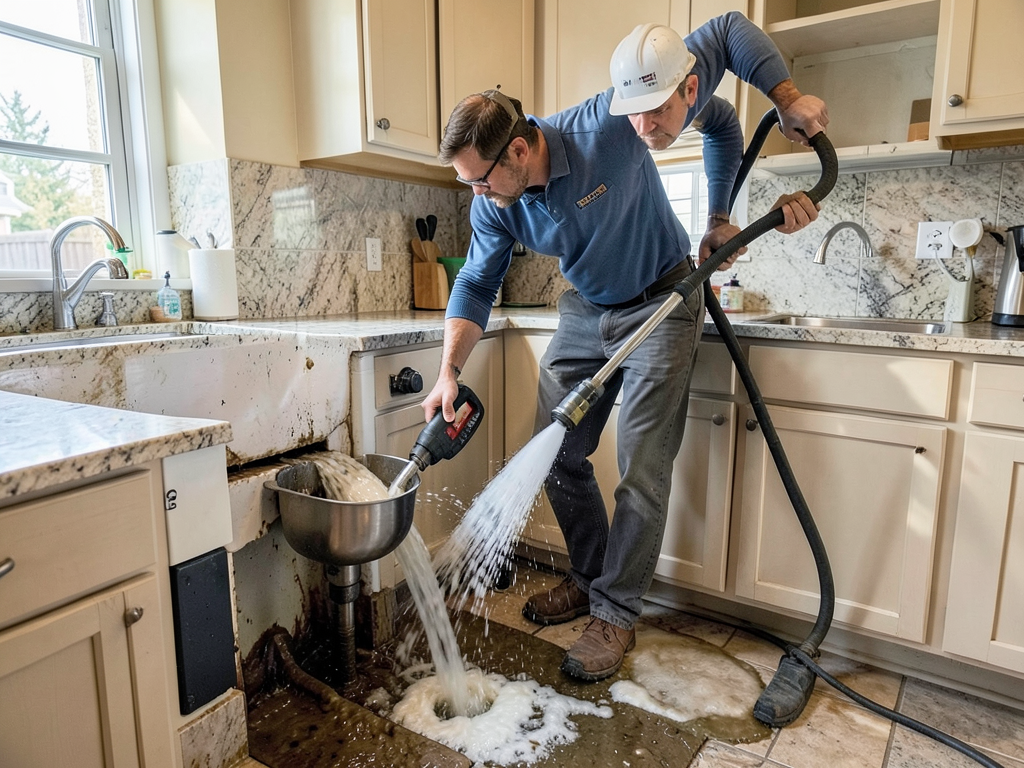
Diagram showing how Riverside’s hard water accelerates grease solidification in residential pipes compared to soft water areas.
5 warning signs you have a grease buildup in your Eastside home
Early detection prevents costly repairs. Watch for these specific symptoms that indicate grease is accumulating in your Eastside Riverside pipes:. Read more about Keeping your Downtown Riverside restaurant compliant with professional grease trap cleaning.
- Gurgling sounds – Air trapped in grease-blocked pipes creates bubbling noises when water drains
- Slow drainage – Water pools in your sink and drains noticeably slower than normal
- Foul odors – Decomposing food particles trapped in grease produce sewage-like smells
- Grease backup – Dark, oily residue appears in multiple drains when you run water
- Toilet gurgling – Main line blockage causes air pressure changes affecting all fixtures
These symptoms often appear first in Eastside homes built before 2000, when pipes were typically cast iron or clay rather than modern PVC. The older pipe materials have rougher interiors where grease clings more easily.
The fatberg phenomenon and Riverside’s sewer system
Individual grease disposal habits create a massive municipal problem. Riverside Public Utilities reports that fatbergs—solid masses of congealed grease mixed with non-biodegradable items—cause over 60% of sewer line blockages in the city. These blockages cost taxpayers thousands annually in emergency repairs. Trenchless sewer repair options for historic homes in Victoria Park.
The Santa Ana River watershed feels the impact too. When grease clogs force sewage to back up, contaminated water can overflow into storm drains, eventually reaching the river. This violates EPA Clean Water Act standards and threatens local wildlife. How to find a local plumber in Mission Grove who actually answers the phone.
Western Municipal Water District specifically warns Eastside residents about grease disposal because the area’s older infrastructure has smaller pipe diameters, making it more susceptible to complete blockages from accumulated fats.
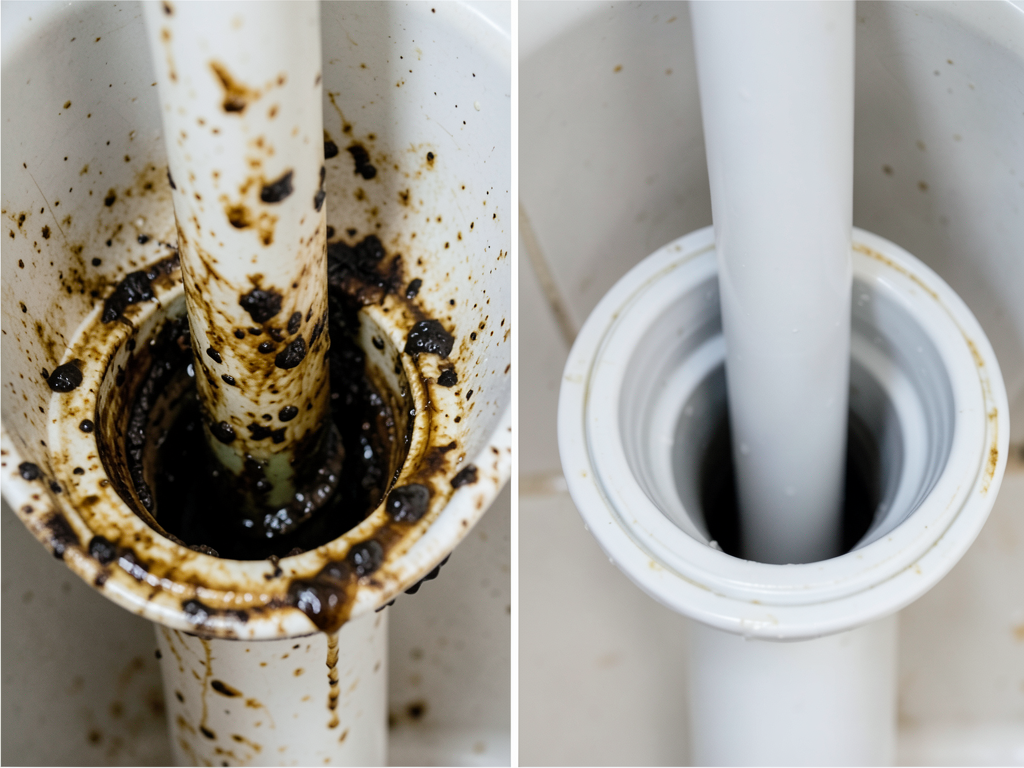
Before and after photo of a Riverside kitchen drain cleared using hydro-jetting equipment, showing grease buildup removal.
DIY fixes vs. when to call a Riverside professional
Many Eastside homeowners try boiling water or chemical drain cleaners first. While boiling water might temporarily liquefy grease, it quickly resolidifies deeper in your pipes where it’s harder to reach. Chemical cleaners can damage older pipes common in Eastside neighborhoods like Canyon Crest and Orangecrest. Why homeowners in Orangecrest are upgrading to tankless water heaters this year.
Safe DIY approaches include:
- Pouring very hot (not boiling) water mixed with dish soap down the drain
- Using enzymatic cleaners that break down organic matter without pipe damage
- Installing sink strainers to catch food particles before they enter pipes
Call a professional when you notice multiple slow drains, sewage odors, or gurgling in toilets. These symptoms indicate the blockage has reached your main sewer line, requiring specialized equipment like hydro-jetting or camera inspection.
Advanced solutions: hydro-jetting and scoping in Riverside
Professional plumbers use high-pressure water jetting to clear severe grease blockages. This method blasts water at 3,500 to 4,000 PSI through specialized nozzles, effectively cutting through hardened grease without damaging pipes. For Eastside homes with older plumbing, this represents the safest removal method. The most common plumbing emergencies in La Sierra and how to solve them.
Camera inspection technology allows technicians to locate exact blockage points before treatment. The waterproof camera travels through your pipes, transmitting real-time video that shows grease thickness, pipe condition, and any tree root intrusions common in Eastside’s mature neighborhoods.
Evergreen Plumbing Riverside uses this diagnostic approach to provide accurate estimates and targeted solutions, preventing unnecessary excavation or pipe replacement in historic Eastside districts.
Prevention checklist: how to keep your drains grease-free
Prevention costs far less than emergency repairs. Follow this Eastside-specific checklist to protect your plumbing:
- Collect and contain – Pour cooled grease into metal cans, then dispose in trash
- Wipe before washing – Use paper towels to remove excess grease from cookware
- Install grease traps – Small devices catch grease before it enters pipes
- Schedule annual cleaning – Professional hydro-jetting prevents buildup in older Eastside homes
- Know your pipe material – Homes built before 1980 likely have cast iron pipes needing gentler treatment
Riverside County Environmental Health recommends keeping a grease collection container under your sink for easy disposal. This simple habit prevents 90% of kitchen drain emergencies.
Local regulations and environmental impact
Riverside Municipal Code Section 13.12.040 prohibits improper disposal of fats, oils, and grease into the sanitary sewer system. Violations can result in fines starting at $100 for residential properties, increasing for repeat offenses or if blockages affect city infrastructure.
The Santa Ana Regional Water Quality Control Board monitors grease-related sewage overflows as part of their Clean Water Act compliance. Eastside’s proximity to the Santa Ana River makes proper grease disposal particularly important for protecting this vital watershed.
Western Municipal Water District offers free grease collection containers to Eastside residents and hosts quarterly disposal events where you can drop off accumulated cooking oils and fats safely.
Technician using moisture meter to test pipe wall integrity after grease blockage removal in a Riverside home.
The cost of neglect: what Eastside homeowners face
Ignoring grease buildup leads to escalating problems. Initial slow drains might cost $150 to $300 to clear. However, complete main line blockages requiring excavation can exceed $5,000, especially in Eastside’s established neighborhoods where landscaping and hardscaping complicate repairs.
Emergency service calls during nights or weekends typically add 50% to standard rates. The average Eastside homeowner spends $450 on emergency grease-related plumbing calls annually—money that prevention could save.
Insurance often won’t cover damage from neglected maintenance. If grease blockage causes sewage backup into your home, you could face $10,000 or more in cleanup and repair costs, plus the inconvenience of temporary relocation.
Seasonal considerations for Eastside residents
Eastside’s climate creates unique grease challenges. Summer temperatures exceeding 100°F might seem to keep grease liquid, but the sudden cooling effect when water hits pipes causes immediate solidification. Holiday seasons between November and January see a 40% increase in grease-related service calls as cooking volumes spike.
Winter brings different concerns. While Riverside rarely freezes, overnight temperature drops can cause grease to solidify faster in pipes that cool more quickly. Homes near Sycamore Canyon Park experience more temperature variation, making grease management especially important in those areas. Dealing with a slab leak in your Canyon Crest home (How to fix it fast).
Spring cleaning often reveals winter grease buildup. Many Eastside homeowners schedule preventive maintenance each March before summer heat increases plumbing usage.
Making the right choice for your Eastside home
Eastside Riverside’s unique combination of older homes, hard water, and established infrastructure requires specific plumbing knowledge. Generic advice from national websites often fails to address these local factors, potentially leading to pipe damage or ineffective solutions.
Professional plumbers familiar with Eastside’s specific challenges understand how local water chemistry affects grease behavior and which pipe materials respond best to different treatment methods. This expertise prevents the trial-and-error approach that often worsens plumbing problems.
Don’t wait for a complete blockage to disrupt your home. Simple preventive steps and awareness of Eastside’s specific plumbing challenges can save you thousands in emergency repairs and protect Riverside’s vital sewer infrastructure.
Frequently Asked Questions
Can I pour grease down the drain if I run hot water with it?
No. Hot water only moves grease further down your pipes where it cools and solidifies. This creates deeper blockages that are harder and more expensive to clear. Always dispose of grease in the trash once cooled.
How often should I have my Eastside home’s drains professionally cleaned?
Homes built before 2000 should have professional cleaning every 18-24 months. Newer homes can typically go 3-5 years between services unless you frequently cook with oils or notice slow drainage.
Are enzymatic drain cleaners safe for Riverside’s hard water pipes?
Yes. Enzymatic cleaners use bacteria to digest organic matter without damaging pipes. They work well in hard water areas because they target the grease itself rather than relying on chemical reactions that can harm older plumbing materials.
What’s the difference between hydro-jetting and snaking for grease removal?
Snaking breaks through blockages but often leaves grease residue on pipe walls. Hydro-jetting uses high-pressure water to completely clean pipe interiors, removing all grease and debris. For severe grease buildup, hydro-jetting provides more thorough and longer-lasting results.
Does Riverside offer any programs to help with proper grease disposal?
Yes. Western Municipal Water District provides free grease collection containers to Eastside residents and hosts quarterly disposal events. Riverside Public Utilities also offers educational materials and can provide information about local disposal options.
- Collect cooled grease
Pour hot grease into a metal can and let it cool completely before sealing and disposing in household trash.
- Wipe cookware first
Use paper towels to remove excess grease from pans and dishes before washing to prevent drain entry.
- Install strainers
Place mesh strainers in sink drains to catch food particles and prevent them from mixing with any grease residue.
- Schedule professional cleaning
Have a licensed plumber inspect and clean your drains every 2-3 years, or more frequently for older Eastside homes.
Eastside Riverside homeowners who understand their local plumbing challenges make smarter decisions about kitchen grease disposal. The combination of hard water, older infrastructure, and environmental regulations creates a situation where standard advice often falls short.
Protecting your home from grease-related plumbing disasters starts with awareness and prevention. Simple changes to your kitchen habits can prevent emergency calls, save thousands in repairs, and help maintain Riverside’s vital sewer infrastructure.
Call (951) 309-5599 today to schedule your inspection before the next cooking season hits. Our Eastside plumbing experts understand the specific challenges your home faces and can provide targeted solutions that generic services simply cannot match.
Pick up the phone and call (951) 309-5599 before a minor grease buildup becomes a major sewage backup. Eastside homeowners trust our local expertise to protect their homes from preventable plumbing disasters.
{
“@context”: “https://schema.org”,
“@type”: “BlogPosting”,
“headline”: “Why pouring liquid grease down your Eastside kitchen drain is a recipe for disaster”,
“description”: “Learn why Eastside Riverside homeowners face serious plumbing risks from kitchen grease. Discover how hard water accelerates pipe damage and when to call a local expert.”,
“wordCount”: 1851,
“datePublished”: “2026-04-11T08:44:00.000Z”,
“dateModified”: “2026-04-11T08:44:00.000Z”,
“inLanguage”: “en-US”,
“mainEntityOfPage”: {
“@type”: “WebPage”,
“@id”: “https://evergreenplumbingriverside.com”
},
“publisher”: {
“@type”: “LocalBusiness”,
“name”: “Evergreen Plumbing Riverside”,
“url”: “https://evergreenplumbingriverside.com”
},
“author”: {
“@type”: “Organization”,
“name”: “Evergreen Plumbing Riverside”,
“url”: “https://evergreenplumbingriverside.com”
},
“image”: {
“@type”: “ImageObject”,
“url”: “https://evergreenplumbingriverside.com/wp-content/uploads/2026/03/why-pouring-liquid-grease-down-your-eastside-kitch-1.png”
}
}
{
“@context”: “https://schema.org”,
“@type”: “Plumber”,
“name”: “Evergreen Plumbing Riverside”,
“url”: “https://evergreenplumbingriverside.com”,
“address”: {
“@type”: “PostalAddress”,
“addressLocality”: “Riverside”
},
“areaServed”: {
“@type”: “City”,
“name”: “Riverside”
}
}
{
“@context”: “https://schema.org”,
“@type”: “FAQPage”,
“mainEntity”: [
{
“@type”: “Question”,
“name”: “Can I pour grease down the drain if I run hot water with it?”,
“acceptedAnswer”: {
“@type”: “Answer”,
“text”: “No. Hot water only moves grease further down your pipes where it cools and solidifies. This creates deeper blockages that are harder and more expensive to clear. Always dispose of grease in the trash once cooled.”
}
},
{
“@type”: “Question”,
“name”: “How often should I have my Eastside home’s drains professionally cleaned?”,
“acceptedAnswer”: {
“@type”: “Answer”,
“text”: “Homes built before 2000 should have professional cleaning every 18-24 months. Newer homes can typically go 3-5 years between services unless you frequently cook with oils or notice slow drainage.”
}
},
{
“@type”: “Question”,
“name”: “Are enzymatic drain cleaners safe for Riverside’s hard water pipes?”,
“acceptedAnswer”: {
“@type”: “Answer”,
“text”: “Yes. Enzymatic cleaners use bacteria to digest organic matter without damaging pipes. They work well in hard water areas because they target the grease itself rather than relying on chemical reactions that can harm older plumbing materials.”
}
},
{
“@type”: “Question”,
“name”: “What’s the difference between hydro-jetting and snaking for grease removal?”,
“acceptedAnswer”: {
“@type”: “Answer”,
“text”: “Snaking breaks through blockages but often leaves grease residue on pipe walls. Hydro-jetting uses high-pressure water to completely clean pipe interiors, removing all grease and debris. For severe grease buildup, hydro-jetting provides more thorough and longer-lasting results.”
}
},
{
“@type”: “Question”,
“name”: “Does Riverside offer any programs to help with proper grease disposal?”,
“acceptedAnswer”: {
“@type”: “Answer”,
“text”: “Yes. Western Municipal Water District provides free grease collection containers to Eastside residents and hosts quarterly disposal events. Riverside Public Utilities also offers educational materials and can provide information about local disposal options.”
}
}
]
}
{
“@context”: “https://schema.org”,
“@type”: “HowTo”,
“name”: “How to prevent kitchen grease clogs”,
“step”: [
{
“@type”: “HowToStep”,
“position”: 1,
“name”: “Collect cooled grease”,
“text”: “Pour hot grease into a metal can and let it cool completely before sealing and disposing in household trash.”
},
{
“@type”: “HowToStep”,
“position”: 2,
“name”: “Wipe cookware first”,
“text”: “Use paper towels to remove excess grease from pans and dishes before washing to prevent drain entry.”
},
{
“@type”: “HowToStep”,
“position”: 3,
“name”: “Install strainers”,
“text”: “Place mesh strainers in sink drains to catch food particles and prevent them from mixing with any grease residue.”
},
{
“@type”: “HowToStep”,
“position”: 4,
“name”: “Schedule professional cleaning”,
“text”: “Have a licensed plumber inspect and clean your drains every 2-3 years, or more frequently for older Eastside homes.”
}
],
“image”: “https://evergreenplumbingriverside.com/wp-content/uploads/2026/03/why-pouring-liquid-grease-down-your-eastside-kitch-1.png”
}
{
“@context”: “https://schema.org”,
“@type”: “BreadcrumbList”,
“itemListElement”: [
{
“@type”: “ListItem”,
“position”: 1,
“name”: “Home”,
“item”: “https://evergreenplumbingriverside.com”
},
{
“@type”: “ListItem”,
“position”: 2,
“name”: “Blog”,
“item”: “https://evergreenplumbingriverside.com/blog”
},
{
“@type”: “ListItem”,
“position”: 3,
“name”: “Why pouring liquid grease down your Eastside kitchen drain is a recipe for disaster”
}
]
}
{
“@context”: “https://schema.org”,
“@type”: “Service”,
“serviceType”: “Plumbing”,
“provider”: {
“@type”: “LocalBusiness”,
“name”: “Evergreen Plumbing Riverside”,
“url”: “https://evergreenplumbingriverside.com”
},
“areaServed”: {
“@type”: “City”,
“name”: “Riverside”
},
“description”: “Learn why Eastside Riverside homeowners face serious plumbing risks from kitchen grease. Discover how hard water accelerates pipe damage and when to call a local expert.”
}