
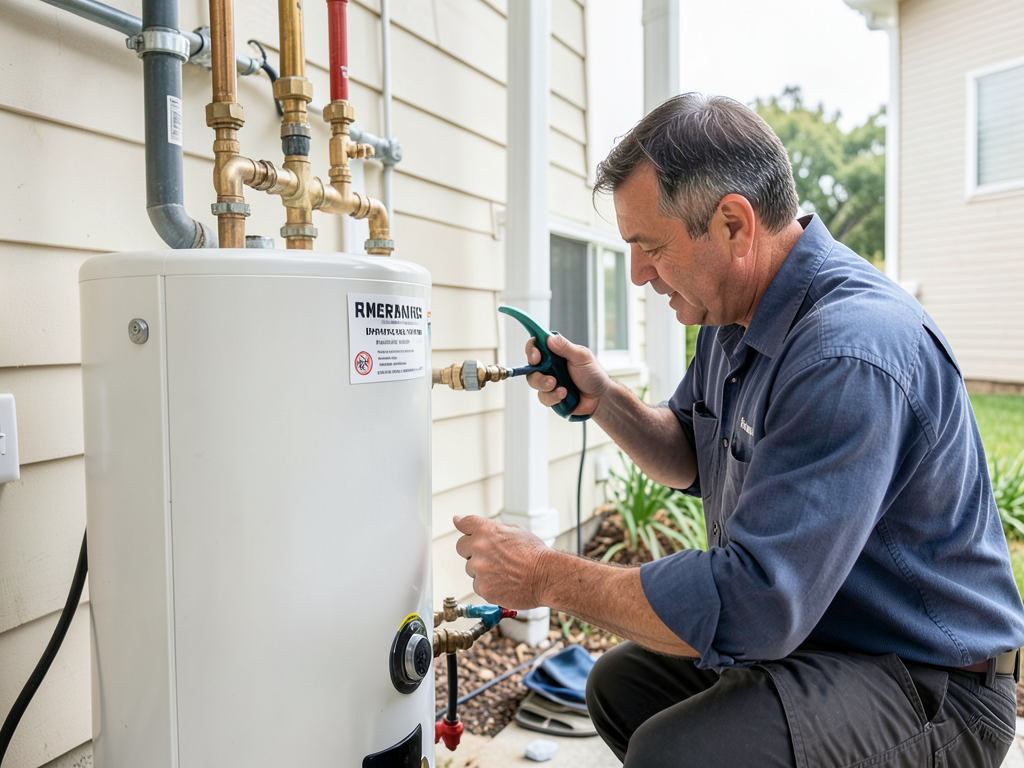
Why Riverside Homes Need Thermal Expansion Tanks for Code Compliance
Every day in Riverside County, homeowners discover their water heaters are failing prematurely due to a hidden plumbing issue that most people never consider. When your water heater heats water, it expands. In older homes with open plumbing systems, this expansion simply pushed water back into the city main. But today’s Riverside homes are different. Riverside Public Utilities backflow preventer information.
Modern Riverside homes typically have closed-loop plumbing systems with backflow preventers or pressure reducing valves installed by Western Municipal Water District or Riverside Public Utilities. These devices protect the city water supply but trap expanding water inside your home’s plumbing. Without somewhere for that extra volume to go, your water heater becomes a pressure vessel that can damage your plumbing system, void your warranty, and fail code inspections. The most common plumbing emergencies in La Sierra and how to solve them.
California Plumbing Code Section 1301.3 specifically requires thermal expansion tanks on water heaters connected to closed systems. The code exists because the physics don’t change whether you’re in Canyon Crest or Orangecrest. Water expands approximately 2% when heated from 50°F to 120°F, and that expansion creates dangerous pressure spikes that can blow out your water heater’s temperature and pressure relief valve. California Plumbing Code Section 1301.3.
Call (951) 309-5599 today to schedule your thermal expansion tank inspection and protect your Riverside home from code violations.
Signs Your Riverside Home Has a Closed-Loop System
Understanding whether your home needs an expansion tank starts with identifying your plumbing configuration. Riverside’s newer developments in Eastvale and La Sierra have mostly closed-loop systems, while some older Canyon Crest neighborhoods might still have open systems. Dealing with a slab leak in your Canyon Crest home (How to fix it fast).
Look for these indicators that you have a closed-loop system requiring an expansion tank:
- Pressure reducing valve (PRV) installed on your main water line
- Backflow preventer visible near your water meter
- Water pressure consistently above 80 PSI
- Dripping temperature and pressure relief valve on your water heater
- Water hammer noises when fixtures are turned off
Many Riverside homeowners notice their T&P valve dripping occasionally and assume it’s a minor leak. In reality, this is often the first sign that thermal expansion is creating dangerous pressure spikes. The valve is doing exactly what it’s designed to do – releasing pressure to prevent your water heater from becoming a bomb. Why homeowners in Orangecrest are upgrading to tankless water heaters this year.
Call (951) 309-5599 to have a licensed plumber test your system pressure and determine if you need an expansion tank installation. How to find a local plumber in Mission Grove who actually answers the phone.
How Thermal Expansion Tanks Protect Your Water Heater
A thermal expansion tank is essentially a small pressure vessel that gives expanding water somewhere to go. Inside the tank, a rubber bladder separates a pocket of air from the water. As water heats and expands, it compresses the air pocket instead of building dangerous pressure in your pipes. Emergency Water Shut-Off Service.
The tank works through a simple but effective principle. When your water heater is idle, the tank is mostly filled with air at your home’s normal water pressure. When the burner fires up and water begins expanding, that extra volume flows into the tank and compresses the air. When you use hot water, the compressed air pushes the water back into your system at normal pressure.
Without this buffer, expanding water has nowhere to go. Pressure can spike to over 150 PSI – well above the 80 PSI maximum recommended by Riverside Public Utilities. These pressure spikes stress every component in your plumbing system from the water heater tank to your faucet cartridges.
Call (951) 309-5599 to learn which size expansion tank your Riverside home needs based on your water heater capacity and household usage.
Riverside Building Codes and Thermal Expansion Requirements
California Plumbing Code Section 1301.3 mandates thermal expansion control for all water heating systems connected to closed water supply systems. This isn’t just a recommendation – it’s a legal requirement that Riverside County Building Safety Division enforces during inspections and permit processes.
The code specifically states that when a backflow preventer, check valve, or pressure reducing valve is installed on a water supply system, a means for controlling increased pressure must be provided. For residential water heaters, this means a properly sized thermal expansion tank.
Riverside Public Utilities has been installing backflow preventers on new service connections for over a decade as part of their cross-connection control program. If your home was built after 2010 or has had recent plumbing work, there’s a high probability you have one of these devices protecting the city water supply – and creating a closed system that requires an expansion tank.
During a typical Riverside home inspection, building officials check for proper expansion tank installation. The tank must be installed on the cold water line near the water heater, mounted vertically, and sized according to the water heater’s capacity. A 2-gallon tank might work for a 40-gallon water heater in a small household, while a 4.5-gallon tank is needed for larger units or homes with multiple bathrooms.
Call (951) 309-5599 to schedule a code compliance inspection of your water heater installation.
Common Expansion Tank Failure Signs Riverside Homeowners Should Know
Like any mechanical component, thermal expansion tanks don’t last forever. The rubber bladder inside can fail, the air charge can leak out, or the tank can develop corrosion. Recognizing these failure signs early can prevent damage to your water heater and plumbing system.
A failing expansion tank often shows these symptoms:
- Water hammer noises that worsen over time
- Fluctuating water pressure when using fixtures
- Dripping T&P valve that started recently
- Visible corrosion or rust on the tank exterior
- Tapping sound when the tank is shaken (indicating a ruptured bladder)
You can perform a simple test on your expansion tank. Tap the side of the tank with a screwdriver handle. A properly functioning tank will sound hollow at the top and solid at the bottom where water is present. If the entire tank sounds solid, the bladder has likely failed and the tank needs replacement.
Another diagnostic test involves checking the air charge. Expansion tanks come pre-charged with air at 40 PSI. Using a tire pressure gauge on the Schrader valve (similar to a tire valve) should read close to your home’s water pressure. If it reads zero or significantly different, the tank needs service.
Call (951) 309-5599 for a professional expansion tank diagnostic test in your Riverside home.
Professional Expansion Tank Installation Process in Riverside
Installing a thermal expansion tank requires more than just hanging a tank on your water line. Professional installation ensures proper sizing, pressure calibration, and code compliance. Here’s what licensed plumbers do during a typical expansion tank installation in Riverside:
- System Pressure Testing
Using a water pressure gauge to measure static and dynamic water pressure, ensuring it’s within safe operating range (typically 50-80 PSI).
- Proper Tank Sizing
Calculating required tank volume based on water heater capacity, household size, and incoming water pressure. A 2-gallon tank for 40-gallon heaters, 4.5-gallon for larger units.
- Air Charge Calibration
Pressurizing the tank’s air chamber to match your home’s water pressure before installation, ensuring proper expansion capacity.
- Strategic Mounting Location
Installing the tank vertically on the cold water line within 6 feet of the water heater, using proper brackets and supports.
- Leak Testing and Pressure Verification
Pressurizing the system and checking all connections for leaks, verifying the tank is functioning correctly under operating conditions.
The entire installation typically takes 1-2 hours for a professional plumber. Cost factors include the tank size (ranging from $50-$150 for the tank itself), mounting hardware, and labor time. Most Riverside homeowners find that installing an expansion tank during water heater replacement is more cost-effective than dealing with premature water heater failure or code violation fines.
Call (951) 309-5599 to schedule professional expansion tank installation with licensed Riverside plumbers.
Cost Considerations for Thermal Expansion Tanks in Riverside
Understanding the cost factors helps Riverside homeowners budget for this essential safety device. The total cost for expansion tank installation varies based on several factors specific to your home and plumbing configuration.
| Cost Factor | Low Range | High Range | Notes |
|---|---|---|---|
| Tank Size (2-4.5 gallons) | $50 | $150 | 2-gallon for 40-gallon heaters, 4.5-gallon for larger units |
| Labor Time | 1 hour | 2 hours | Simple installations vs. complex routing |
| Mounting Hardware | $15 | $40 | Brackets, fittings, connectors |
| Total Installation Cost | $200 | $400 | Average Riverside pricing |
Many Riverside homeowners ask whether they should install an expansion tank during water heater replacement or wait until problems occur. The answer depends on your situation. If you have a closed-loop system and your water heater is over 5 years old, installing an expansion tank now can prevent costly damage and extend your water heater’s life by 3-5 years.
Insurance companies in California are increasingly aware of thermal expansion issues. Some policies now require expansion tanks on closed systems or may deny claims for water damage caused by pressure-related failures. Installing a code-compliant expansion tank can protect both your plumbing system and your insurance coverage.
Call (951) 309-5599 to get a free estimate on expansion tank installation for your Riverside home.
Frequently Asked Questions
Is a thermal expansion tank really required by Riverside building codes?
Yes. California Plumbing Code Section 1301.3 requires thermal expansion control on all closed water supply systems. Riverside County Building Safety Division enforces this requirement during inspections and permit processes.
How do I know if my home has a closed-loop plumbing system?
Look for a pressure reducing valve or backflow preventer on your main water line, check if your water pressure is consistently above 80 PSI, or notice if your T&P valve drips occasionally. Most homes built after 2010 in Riverside have closed-loop systems.
Can I install a thermal expansion tank myself?
While DIY installation is possible, professional installation ensures proper sizing, pressure calibration, and code compliance. Incorrect installation can lead to system failure or code violations that may affect home sales or insurance claims.
How long do thermal expansion tanks last in Riverside’s climate?
Quality expansion tanks typically last 5-10 years in Riverside’s climate. The rubber bladder can deteriorate from heat exposure and water chemistry. Annual inspection of the air charge and bladder integrity is recommended.
What happens if I don’t install an expansion tank when required?
You risk water heater damage, premature failure of plumbing fixtures, voided manufacturer warranties, and potential code violations. Insurance companies may deny claims for water damage caused by pressure-related failures in homes without required expansion tanks.
Protect Your Riverside Home with Proper Expansion Tank Installation
Thermal expansion tanks aren’t just a code requirement – they’re essential protection for your Riverside home’s plumbing system. With Riverside’s growing population and increased focus on water conservation, closed-loop plumbing systems are becoming the standard. Understanding this requirement and ensuring proper installation protects your investment and keeps your home compliant with California building codes.
The cost of installing an expansion tank is minimal compared to the potential damage from thermal expansion pressure spikes. A failed water heater can flood your home, damage flooring and walls, and create mold conditions that require extensive remediation. The small investment in proper expansion tank installation pays for itself many times over through prevented damage and extended water heater life.
Call (951) 309-5599 today to schedule your thermal expansion tank inspection and installation. Our licensed Riverside plumbers will test your system, recommend the proper tank size, and ensure your installation meets all California Plumbing Code requirements. Don’t wait for the next pressure spike to damage your home’s plumbing system.
Whether you’re in Canyon Crest, Orangecrest, La Sierra, or anywhere else in Riverside County, we’re ready to help you protect your home with professional thermal expansion tank installation. Contact us now to schedule your service and ensure your water heater system is safe, efficient, and code-compliant.
Call (951) 309-5599 now to speak with a licensed plumber about your thermal expansion tank needs in Riverside.
{
“@context”: “https://schema.org”,
“@type”: “BlogPosting”,
“headline”: “Why your water heater needs a thermal expansion tank to meet Riverside building codes”,
“description”: “Learn why thermal expansion tanks are required in Riverside homes with closed-loop plumbing systems. Protect your water heater and meet California Plumbing Code compliance today.”,
“wordCount”: 2011,
“datePublished”: “2026-04-29T11:30:00.000Z”,
“dateModified”: “2026-04-29T11:30:00.000Z”,
“inLanguage”: “en-US”,
“mainEntityOfPage”: {
“@type”: “WebPage”,
“@id”: “https://evergreenplumbingriverside.com”
},
“publisher”: {
“@type”: “LocalBusiness”,
“name”: “Evergreen Plumbing Riverside”,
“url”: “https://evergreenplumbingriverside.com”
},
“author”: {
“@type”: “Organization”,
“name”: “Evergreen Plumbing Riverside”,
“url”: “https://evergreenplumbingriverside.com”
},
“image”: {
“@type”: “ImageObject”,
“url”: “https://evergreenplumbingriverside.com/wp-content/uploads/2026/03/why-your-water-heater-needs-a-thermal-expansion-ta-1.png”
}
}
{
“@context”: “https://schema.org”,
“@type”: “Plumber”,
“name”: “Evergreen Plumbing Riverside”,
“url”: “https://evergreenplumbingriverside.com”,
“address”: {
“@type”: “PostalAddress”,
“addressLocality”: “Riverside”
},
“areaServed”: {
“@type”: “City”,
“name”: “Riverside”
}
}
{
“@context”: “https://schema.org”,
“@type”: “FAQPage”,
“mainEntity”: [
{
“@type”: “Question”,
“name”: “Is a thermal expansion tank really required by Riverside building codes?”,
“acceptedAnswer”: {
“@type”: “Answer”,
“text”: “Yes. California Plumbing Code Section 1301.3 requires thermal expansion control on all closed water supply systems. Riverside County Building Safety Division enforces this requirement during inspections and permit processes.”
}
},
{
“@type”: “Question”,
“name”: “How do I know if my home has a closed-loop plumbing system?”,
“acceptedAnswer”: {
“@type”: “Answer”,
“text”: “Look for a pressure reducing valve or backflow preventer on your main water line, check if your water pressure is consistently above 80 PSI, or notice if your T&P valve drips occasionally. Most homes built after 2010 in Riverside have closed-loop systems.”
}
},
{
“@type”: “Question”,
“name”: “Can I install a thermal expansion tank myself?”,
“acceptedAnswer”: {
“@type”: “Answer”,
“text”: “While DIY installation is possible, professional installation ensures proper sizing, pressure calibration, and code compliance. Incorrect installation can lead to system failure or code violations that may affect home sales or insurance claims.”
}
},
{
“@type”: “Question”,
“name”: “How long do thermal expansion tanks last in Riverside’s climate?”,
“acceptedAnswer”: {
“@type”: “Answer”,
“text”: “Quality expansion tanks typically last 5-10 years in Riverside’s climate. The rubber bladder can deteriorate from heat exposure and water chemistry. Annual inspection of the air charge and bladder integrity is recommended.”
}
},
{
“@type”: “Question”,
“name”: “What happens if I don’t install an expansion tank when required?”,
“acceptedAnswer”: {
“@type”: “Answer”,
“text”: “You risk water heater damage, premature failure of plumbing fixtures, voided manufacturer warranties, and potential code violations. Insurance companies may deny claims for water damage caused by pressure-related failures in homes without required expansion tanks.”
}
}
]
}
{
“@context”: “https://schema.org”,
“@type”: “HowTo”,
“name”: “Professional Expansion Tank Installation”,
“step”: [
{
“@type”: “HowToStep”,
“position”: 1,
“name”: “System Pressure Testing”,
“text”: “Using a water pressure gauge to measure static and dynamic water pressure, ensuring it’s within safe operating range (typically 50-80 PSI).”
},
{
“@type”: “HowToStep”,
“position”: 2,
“name”: “Proper Tank Sizing”,
“text”: “Calculating required tank volume based on water heater capacity, household size, and incoming water pressure. A 2-gallon tank for 40-gallon heaters, 4.5-gallon for larger units.”
},
{
“@type”: “HowToStep”,
“position”: 3,
“name”: “Air Charge Calibration”,
“text”: “Pressurizing the tank’s air chamber to match your home’s water pressure before installation, ensuring proper expansion capacity.”
},
{
“@type”: “HowToStep”,
“position”: 4,
“name”: “Strategic Mounting Location”,
“text”: “Installing the tank vertically on the cold water line within 6 feet of the water heater, using proper brackets and supports.”
},
{
“@type”: “HowToStep”,
“position”: 5,
“name”: “Leak Testing and Pressure Verification”,
“text”: “Pressurizing the system and checking all connections for leaks, verifying the tank is functioning correctly under operating conditions.”
}
],
“image”: “https://evergreenplumbingriverside.com/wp-content/uploads/2026/03/why-your-water-heater-needs-a-thermal-expansion-ta-1.png”
}
{
“@context”: “https://schema.org”,
“@type”: “BreadcrumbList”,
“itemListElement”: [
{
“@type”: “ListItem”,
“position”: 1,
“name”: “Home”,
“item”: “https://evergreenplumbingriverside.com”
},
{
“@type”: “ListItem”,
“position”: 2,
“name”: “Blog”,
“item”: “https://evergreenplumbingriverside.com/blog”
},
{
“@type”: “ListItem”,
“position”: 3,
“name”: “Why your water heater needs a thermal expansion tank to meet Riverside building codes”
}
]
}
{
“@context”: “https://schema.org”,
“@type”: “Service”,
“serviceType”: “Plumbing”,
“provider”: {
“@type”: “LocalBusiness”,
“name”: “Evergreen Plumbing Riverside”,
“url”: “https://evergreenplumbingriverside.com”
},
“areaServed”: {
“@type”: “City”,
“name”: “Riverside”
},
“description”: “Learn why thermal expansion tanks are required in Riverside homes with closed-loop plumbing systems. Protect your water heater and meet California Plumbing Code compliance today.”
}