Why that PVC pipe dripping near your Sycamore Highlands foundation needs attention
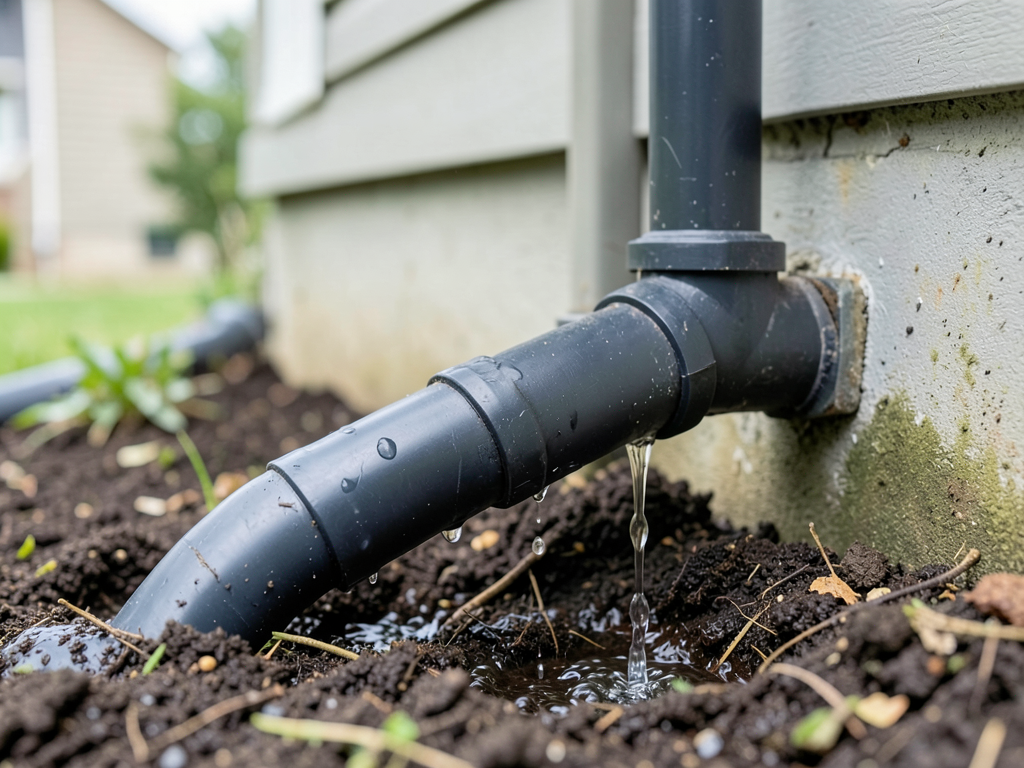
Seeing water dripping from a PVC pipe near your home’s foundation in Sycamore Highlands can be alarming. That pipe is likely your AC condensate drain line, and while some condensation is normal, excessive dripping or pooling water signals a problem that could damage your foundation, attract pests, or create mold conditions in Riverside’s warm climate. Emergency Water Shut-Off Service.
AC condensate lines handle gallons of water during Riverside’s hot summers when your system runs constantly. When these lines clog, crack, or malfunction, water backs up and finds the path of least resistance – often near your foundation where you first notice it. The good news is that most condensate line issues are fixable, but ignoring them leads to costly structural damage and indoor air quality problems.. Read more about How to decide if a tankless water heater is actually worth the investment for your Woodcrest home.
This guide covers what causes those PVC pipes to drip excessively, when it’s a DIY fix versus when you need a licensed plumber, and how Riverside’s specific climate affects your HVAC system’s drainage. We’ll also show you how to prevent future issues before they damage your Sycamore Highlands home. How to find a local plumber in Mission Grove who actually answers the phone.
Common causes of excessive condensate line dripping
Understanding why your PVC pipe is dripping helps you determine if it’s a simple fix or requires professional attention. Here are the most frequent culprits we see in Riverside homes.
Clogged drain line from algae and debris buildup
Algae, mold, and dust accumulate inside condensate lines over time, especially during Riverside’s summer months when AC units run continuously. This sludge blocks water flow, causing backups that force water out through cracks or overflow drains. You might notice reduced AC efficiency or hear gurgling sounds from your indoor unit.. Read more about Why your water heater needs a thermal expansion tank to meet Riverside building codes.
DIY test: Try pouring a cup of white vinegar down the drain line access point. If water flows freely within 30 minutes, you likely had a minor clog. If not, the blockage is deeper in the system.
Cracked or damaged PVC pipe
UV exposure, ground movement, and temperature fluctuations common in Riverside can cause PVC pipes to crack or separate at joints. Even small cracks release significant water over time, especially when your AC runs daily during summer heat waves. EPA mold prevention guidelines.
Visual inspection: Look for discoloration, warping, or visible cracks along the pipe length. Check where the pipe connects to your home’s exterior – these joints often fail first.
Malfunctioning condensate pump
Homes with basement AC units or those where the drain line exits above the main drain require condensate pumps. When these pumps fail, water backs up and overflows from the pump reservoir, dripping from the PVC line or creating puddles nearby.. Read more about Preventing basement flooding in Woodcrest with a reliable backup sump pump system.
Listen for unusual noises from the pump area. A humming sound without water movement indicates a failed motor, while clicking without pumping suggests a stuck float switch.
Improper drain line slope or installation
Drain lines must slope slightly downward to gravity-flow properly. Incorrect installation or settling soil can create low spots where water pools and eventually overflows. This is particularly common in newer Sycamore Highlands developments where soil compaction varies. The most common plumbing emergencies in La Sierra and how to solve them.
Check the pipe’s angle with a level. It should slope approximately 1/4 inch per foot away from your home.
Blocked or missing drain line trap
Condensate lines require P-traps to prevent sewer gases from entering your HVAC system. Missing or dry traps allow air pressure imbalances that can cause water to back up and drip from unintended locations. Trenchless sewer repair options for historic homes in Victoria Park.
Look for a U-shaped section in your drain line. If absent, this could explain erratic dripping patterns.
Immediate steps when you spot condensate line dripping
Before calling a plumber, take these safety and damage-control measures to protect your Sycamore Highlands home.
Turn off your AC system
Locate your thermostat and switch the system to “off” to stop additional water production. This prevents further dripping while you assess the situation and protects your AC from potential damage if the condensate backup is severe.
Clean up standing water immediately
Remove any water pooling near your foundation using towels, a wet vacuum, or a mop. Riverside’s clay soil retains moisture, and standing water against your foundation can seep into basements or crawl spaces, especially in older Sycamore Highlands homes built before modern moisture barriers.
Check your AC unit’s float switch
Many modern AC systems have a safety float switch that shuts off the system when water backs up in the drain pan. If your AC won’t turn on, this switch may have activated due to a clogged drain line. Resetting it won’t solve the underlying drainage issue.
Inspect for visible damage
Examine the PVC pipe for cracks, loose connections, or signs of UV damage. Check the area where the pipe exits your home’s exterior – this is a common failure point due to temperature fluctuations and settling.
Document the problem
Take photos of the dripping pipe, any water damage, and your AC unit’s location. This helps technicians diagnose issues faster and provides documentation if you need to file an insurance claim for water damage.
DIY fixes vs. professional repair: When to call a plumber
Many condensate line issues are DIY-friendly, but some require professional tools and expertise. Here’s how to decide.
Safe DIY solutions
If you’re comfortable with basic tools and the problem appears minor, try these fixes:
Unclogging with a wet/dry vacuum
Attach your wet/dry vacuum to the drain line’s exterior outlet. Seal the connection with duct tape to create suction. Run the vacuum for 2-3 minutes to pull out clogs. This works for algae buildup and minor debris.
Vinegar flush treatment
Pour 1 cup of distilled white vinegar into the drain line’s access port (usually a T-shaped vent near your indoor unit). Let it sit for 30-60 minutes, then flush with warm water. The acetic acid dissolves algae and mineral deposits common in Riverside’s hard water.
Checking and cleaning the drain pan
Remove the access panel on your indoor AC unit and inspect the drain pan beneath the evaporator coil. Clean out any debris, algae, or standing water using a wet cloth and mild detergent.
When to call a professional plumber
Professional help is necessary when:
The clog persists after DIY attempts
If vinegar and vacuuming don’t clear the line within 24 hours, the blockage is likely deep in the system or caused by pipe damage that requires specialized tools.
You notice water damage inside your home
Water stains on ceilings, walls, or around your AC unit indicate the problem has progressed beyond simple drain line issues. This requires immediate professional assessment to prevent mold growth and structural damage.
Your AC won’t turn on due to safety switches
Modern systems have multiple safety features that shut down operation when condensate problems occur. Resetting these switches without fixing the underlying issue can damage your compressor.
You lack the proper tools or experience
Professional plumbers use specialized equipment like motorized drain snakes, hydro-jetters, and video inspection cameras that most homeowners don’t own. These tools diagnose and fix problems more effectively than DIY methods. Why homeowners in Orangecrest are upgrading to tankless water heaters this year.
How Riverside’s climate affects your AC condensate system
Sycamore Highlands’ specific environmental conditions create unique challenges for AC condensate management that homeowners in other regions don’t face.
High summer humidity and condensation volume
Riverside’s summer humidity, while lower than coastal areas, still produces significant condensation when your AC runs constantly during triple-digit heat waves. A typical 3-ton AC unit can produce 5-20 gallons of condensate daily during peak summer months.
Hard water mineral buildup
Riverside’s water supply contains high mineral content that accumulates in condensate lines over time. These mineral deposits narrow pipe diameter and create rough surfaces where algae and mold attach more easily than in areas with softer water.
Dust and debris from inland air
The Inland Empire’s air carries more dust and agricultural particulates than coastal regions. These particles enter your HVAC system and settle in drain pans and lines, accelerating clog formation and creating ideal conditions for microbial growth.
Temperature fluctuations causing pipe stress
Riverside experiences significant day-night temperature swings, especially in spring and fall. These fluctuations cause PVC pipes to expand and contract, eventually creating stress cracks at joints or along pipe lengths.
Seasonal maintenance timing
The best time for condensate line maintenance in Sycamore Highlands is early spring before summer heat arrives. This prevents emergency calls during peak cooling season when HVAC companies are busiest.
Professional AC drain line cleaning and repair services
When DIY methods fail or you prefer professional service, understanding what to expect helps you make informed decisions about your AC condensate system.
Professional cleaning methods
Professional plumbers use several techniques to clear condensate lines:
Hydro-jetting
High-pressure water streams (typically 1,500-3,000 PSI) blast through pipes, removing all debris, algae, and mineral buildup. This method is highly effective but requires professional equipment and expertise to avoid pipe damage.
Mechanical snaking
Motorized drain snakes with specialized heads navigate pipe bends and break up stubborn clogs. Professionals use smaller diameter snakes than for sewer lines to prevent damaging the typically 3/4″ to 1″ condensate pipes.
Video inspection
Small cameras on flexible cables allow technicians to see inside pipes, identify crack locations, and verify complete clog removal. This diagnostic step prevents repeat service calls and identifies pipes needing replacement.
Repair and replacement services
When cleaning isn’t enough, professionals offer:
PVC pipe replacement
Cracked or damaged sections of pipe are cut out and replaced with new PVC using proper primer and solvent welding techniques. This ensures leak-free joints that last for decades.
Installation of cleanouts and access ports
Adding cleanout ports at strategic locations makes future maintenance easier and allows for better clog prevention through regular flushing.
Float switch installation or replacement
Installing or replacing safety float switches prevents water damage by automatically shutting off your AC when condensate backs up.
Preventive maintenance programs
Many Riverside plumbers offer annual or bi-annual maintenance plans that include condensate line cleaning, inspection, and minor repairs. These programs typically cost $150-300 annually but prevent costly emergency repairs and water damage.
Cost considerations and value analysis
Understanding the costs involved helps you make smart decisions about condensate line maintenance and repair.
DIY cost breakdown
Basic DIY supplies cost $20-50: white vinegar, wet/dry vacuum rental ($20-30/day), basic hand tools, and safety equipment. However, DIY risks include incomplete clog removal, potential pipe damage from aggressive methods, and personal injury from working with AC components.
Professional service pricing
Professional drain line cleaning typically costs $150-300, depending on clog severity and accessibility. Video inspection adds $100-200. Emergency after-hours service can double these rates, especially during summer heat waves when demand peaks.
Replacement cost factors
Replacing damaged PVC sections costs $200-500 for parts and labor. Full line replacement in difficult-to-access areas can reach $1,000-2,000. Factors affecting cost include pipe length, accessibility, and whether walls or ceilings need opening for access.
Value of preventive maintenance
Annual maintenance costs $150-300 but prevents water damage averaging $2,500-10,000 when condensate lines fail catastrophically. Maintenance also extends AC system life by preventing strain from restricted airflow and water damage to electrical components.
Insurance considerations
Most homeowner insurance policies cover sudden water damage but exclude damage from neglected maintenance. Regular professional maintenance provides documentation that can support insurance claims if covered damage occurs.
Preventing future condensate line problems
Once you’ve resolved your current issue, take these steps to prevent recurrence and protect your Sycamore Highlands home.
Regular cleaning schedule
Flush your condensate line with vinegar every 3-4 months during cooling season. This prevents algae and mineral buildup before it causes problems. Mark your calendar or set phone reminders for consistent maintenance.
Install a condensate safety switch
If your system lacks a float switch, installation costs $150-300 but prevents thousands in water damage. These switches automatically shut off your AC when water backs up, giving you time to address the issue before flooding occurs.
Upgrade to larger diameter pipes
Standard 3/4″ PVC pipes clog more easily than 1″ pipes. If you’re replacing sections anyway, upgrading to larger diameter reduces clog frequency and improves drainage during peak summer usage.
Improve drainage around your foundation
Ensure soil slopes away from your home’s foundation at 1/4 inch per foot minimum. Consider installing a French drain system if water consistently pools near your foundation after rain or AC operation.
Schedule professional maintenance
Professional cleaning and inspection every 1-2 years catches developing problems before they cause damage. Technicians can identify pipe deterioration, improper installation, or developing clogs during routine service.
Local building codes and regulations
Riverside County and California state codes govern AC condensate drainage to protect property and public health. California Plumbing Code requirements.
California Plumbing Code requirements
CPC Section 1001.2 requires condensate drains to discharge into an approved plumbing fixture, indirect waste receptor, or exterior location that doesn’t create a nuisance. Direct discharge onto ground surfaces is prohibited in most jurisdictions due to erosion and standing water concerns.
Secondary drain pan requirements
UPC Section 1103.3 mandates secondary drain pans with overflow drains for indoor AC units located where leaks would cause damage. These pans catch condensate if the primary drain fails, providing crucial protection for homes with attic or second-floor HVAC equipment.
Backflow prevention
CPC Section 608 requires air gaps or approved backflow prevention devices where condensate lines connect to building drains. This prevents sewer gases from entering your HVAC system through the condensate drain.
Permitting requirements
Significant condensate line modifications or replacements require permits in Riverside County. Licensed plumbers pull these permits and ensure work complies with local codes, protecting you from potential fines and ensuring proper installation.
Frequently Asked Questions
Is it normal for my AC condensate pipe to drip water?
Yes, some dripping is normal during hot, humid weather when your AC runs frequently. However, continuous heavy dripping, water pooling, or visible leaks indicate problems requiring attention. Normal condensation should be minimal and stop within 30-60 minutes after your AC cycles off.
Can a dripping condensate pipe cause foundation damage?
Yes, water consistently dripping near your foundation can cause serious damage over time. Riverside’s clay soil expands when wet and contracts when dry, creating pressure that can crack foundations. Water can also seep into basements or crawl spaces, causing mold growth and structural deterioration.
How often should I clean my AC condensate line?
Flush your condensate line with vinegar every 3-4 months during cooling season (April through October in Riverside). Schedule professional cleaning annually, preferably in early spring before summer heat increases AC usage. Homes with hard water or heavy AC usage may need more frequent cleaning.
Why does my AC shut off and I see water near the PVC pipe?
Your AC likely has a float switch that shuts off the system when water backs up in the drain pan. This safety feature prevents flooding but indicates a clogged or malfunctioning condensate line. The water you see is either overflow from the backup or water that couldn’t drain properly.
Can I use bleach instead of vinegar to clean my condensate line?
While bleach kills algae and mold effectively, it can damage PVC pipes and rubber components over time. Vinegar is safer for your system and the environment while still effectively preventing biological growth. If you’ve used bleach before without issues, occasional use is probably fine, but vinegar is the recommended choice.
How long does professional condensate line cleaning take?
Most professional cleaning services take 30-90 minutes, depending on clog severity and accessibility. Simple clogs clear in under an hour, while severe blockages requiring video inspection or pipe replacement can take several hours. Emergency services during summer may have longer wait times due to high demand.
Should I be concerned about mold from my dripping AC pipe?
Yes, standing water near your foundation creates ideal conditions for mold growth, especially in Riverside’s warm climate. Mold can spread to your home’s interior, causing health issues and requiring expensive remediation. Address dripping pipes promptly to prevent mold establishment.
Conclusion
That PVC pipe dripping near your Sycamore Highlands foundation is trying to tell you something important. Whether it’s a simple clog, a cracked pipe, or a failing pump, addressing the issue promptly prevents costly water damage and protects your home’s structural integrity.
Start with basic DIY steps like vinegar flushing and visual inspection, but don’t hesitate to call a professional if problems persist or you notice water damage inside your home. Riverside’s specific climate conditions make regular condensate line maintenance essential for preventing emergency situations during our hot summer months.
Remember that preventive maintenance costs far less than emergency repairs and water damage restoration. A small investment in annual cleaning and inspection can save you thousands in potential foundation repairs, mold remediation, and AC system damage.
If you’re in Sycamore Highlands or anywhere in Riverside and need professional help with your AC condensate line, don’t wait for the problem to worsen. Call (951) 309-5599 today to schedule your inspection. Our experienced technicians understand Riverside’s unique climate challenges and can quickly diagnose and resolve your condensate line issues before they cause serious damage to your home.
Pick up the phone and call (951) 309-5599 before the next heat wave hits. Your foundation, your AC system, and your peace of mind are worth protecting.
{
“@context”: “https://schema.org”,
“@type”: “BlogPosting”,
“headline”: “Why that PVC pipe dripping near your Sycamore Highlands foundation needs attention”,
“description”: “That PVC pipe dripping near your Sycamore Highlands foundation could signal a serious AC condensate line issue. Learn the causes, risks, and when to call a Riverside plumber.”,
“wordCount”: 2888,
“datePublished”: “2026-04-13T09:25:00.000Z”,
“dateModified”: “2026-04-13T09:25:00.000Z”,
“inLanguage”: “en-US”,
“mainEntityOfPage”: {
“@type”: “WebPage”,
“@id”: “https://evergreenplumbingriverside.com”
},
“publisher”: {
“@type”: “LocalBusiness”,
“name”: “Evergreen Plumbing Riverside”,
“url”: “https://evergreenplumbingriverside.com”
},
“author”: {
“@type”: “Organization”,
“name”: “Evergreen Plumbing Riverside”,
“url”: “https://evergreenplumbingriverside.com”
},
“image”: {
“@type”: “ImageObject”,
“url”: “https://evergreenplumbingriverside.com/wp-content/uploads/2026/03/why-that-pvc-pipe-dripping-near-your-sycamore-high-1.png”
}
}
{
“@context”: “https://schema.org”,
“@type”: “Plumber”,
“name”: “Evergreen Plumbing Riverside”,
“url”: “https://evergreenplumbingriverside.com”,
“address”: {
“@type”: “PostalAddress”,
“addressLocality”: “Riverside”
},
“areaServed”: {
“@type”: “City”,
“name”: “Riverside”
}
}
{
“@context”: “https://schema.org”,
“@type”: “FAQPage”,
“mainEntity”: [
{
“@type”: “Question”,
“name”: “Is it normal for my AC condensate pipe to drip water?”,
“acceptedAnswer”: {
“@type”: “Answer”,
“text”: “Yes, some dripping is normal during hot, humid weather when your AC runs frequently. However, continuous heavy dripping, water pooling, or visible leaks indicate problems requiring attention. Normal condensation should be minimal and stop within 30-60 minutes after your AC cycles off.”
}
},
{
“@type”: “Question”,
“name”: “Can a dripping condensate pipe cause foundation damage?”,
“acceptedAnswer”: {
“@type”: “Answer”,
“text”: “Yes, water consistently dripping near your foundation can cause serious damage over time. Riverside’s clay soil expands when wet and contracts when dry, creating pressure that can crack foundations. Water can also seep into basements or crawl spaces, causing mold growth and structural deterioration.”
}
},
{
“@type”: “Question”,
“name”: “How often should I clean my AC condensate line?”,
“acceptedAnswer”: {
“@type”: “Answer”,
“text”: “Flush your condensate line with vinegar every 3-4 months during cooling season (April through October in Riverside). Schedule professional cleaning annually, preferably in early spring before summer heat increases AC usage. Homes with hard water or heavy AC usage may need more frequent cleaning.”
}
},
{
“@type”: “Question”,
“name”: “Why does my AC shut off and I see water near the PVC pipe?”,
“acceptedAnswer”: {
“@type”: “Answer”,
“text”: “Your AC likely has a float switch that shuts off the system when water backs up in the drain pan. This safety feature prevents flooding but indicates a clogged or malfunctioning condensate line. The water you see is either overflow from the backup or water that couldn’t drain properly.”
}
},
{
“@type”: “Question”,
“name”: “Can I use bleach instead of vinegar to clean my condensate line?”,
“acceptedAnswer”: {
“@type”: “Answer”,
“text”: “While bleach kills algae and mold effectively, it can damage PVC pipes and rubber components over time. Vinegar is safer for your system and the environment while still effectively preventing biological growth. If you’ve used bleach before without issues, occasional use is probably fine, but vinegar is the recommended choice.”
}
},
{
“@type”: “Question”,
“name”: “How long does professional condensate line cleaning take?”,
“acceptedAnswer”: {
“@type”: “Answer”,
“text”: “Most professional cleaning services take 30-90 minutes, depending on clog severity and accessibility. Simple clogs clear in under an hour, while severe blockages requiring video inspection or pipe replacement can take several hours. Emergency services during summer may have longer wait times due to high demand.”
}
},
{
“@type”: “Question”,
“name”: “Should I be concerned about mold from my dripping AC pipe?”,
“acceptedAnswer”: {
“@type”: “Answer”,
“text”: “Yes, standing water near your foundation creates ideal conditions for mold growth, especially in Riverside’s warm climate. Mold can spread to your home’s interior, causing health issues and requiring expensive remediation. Address dripping pipes promptly to prevent mold establishment.”
}
}
]
}
{
“@context”: “https://schema.org”,
“@type”: “BreadcrumbList”,
“itemListElement”: [
{
“@type”: “ListItem”,
“position”: 1,
“name”: “Home”,
“item”: “https://evergreenplumbingriverside.com”
},
{
“@type”: “ListItem”,
“position”: 2,
“name”: “Blog”,
“item”: “https://evergreenplumbingriverside.com/blog”
},
{
“@type”: “ListItem”,
“position”: 3,
“name”: “Why that PVC pipe dripping near your Sycamore Highlands foundation needs attention”
}
]
}
{
“@context”: “https://schema.org”,
“@type”: “Service”,
“serviceType”: “Plumbing”,
“provider”: {
“@type”: “LocalBusiness”,
“name”: “Evergreen Plumbing Riverside”,
“url”: “https://evergreenplumbingriverside.com”
},
“areaServed”: {
“@type”: “City”,
“name”: “Riverside”
},
“description”: “That PVC pipe dripping near your Sycamore Highlands foundation could signal a serious AC condensate line issue. Learn the causes, risks, and when to call a Riverside plumber.”
}