Why stainless steel sinks might be a better choice than cast iron for Northside kitchens
Northside Riverside homeowners face unique challenges when selecting kitchen sinks. Hard water minerals from the Santa Ana River Basin create stubborn calcium deposits that damage certain materials over time. Stainless steel offers superior resistance to Riverside’s mineral-heavy water supply while providing durability that matches our local climate demands. How to find a local plumber in Mission Grove who actually answers the phone.
Cast iron sinks, while classic and attractive, struggle with Riverside’s specific water chemistry. The 12-15 grains per gallon hardness level in our municipal supply causes mineral buildup that etches and stains enameled surfaces. Northside homes, particularly those near the Riverside Plaza area, experience accelerated wear on cast iron finishes compared to homes in softer water regions. Emergency Water Shut-Off Service.
Stainless steel’s non-porous surface resists mineral adhesion and cleaning requires only mild soap and water. The material handles Riverside’s temperature fluctuations without cracking or chipping. Installation in Northside’s mid-century homes proves simpler since stainless steel weighs significantly less than cast iron, reducing structural stress on older cabinetry.
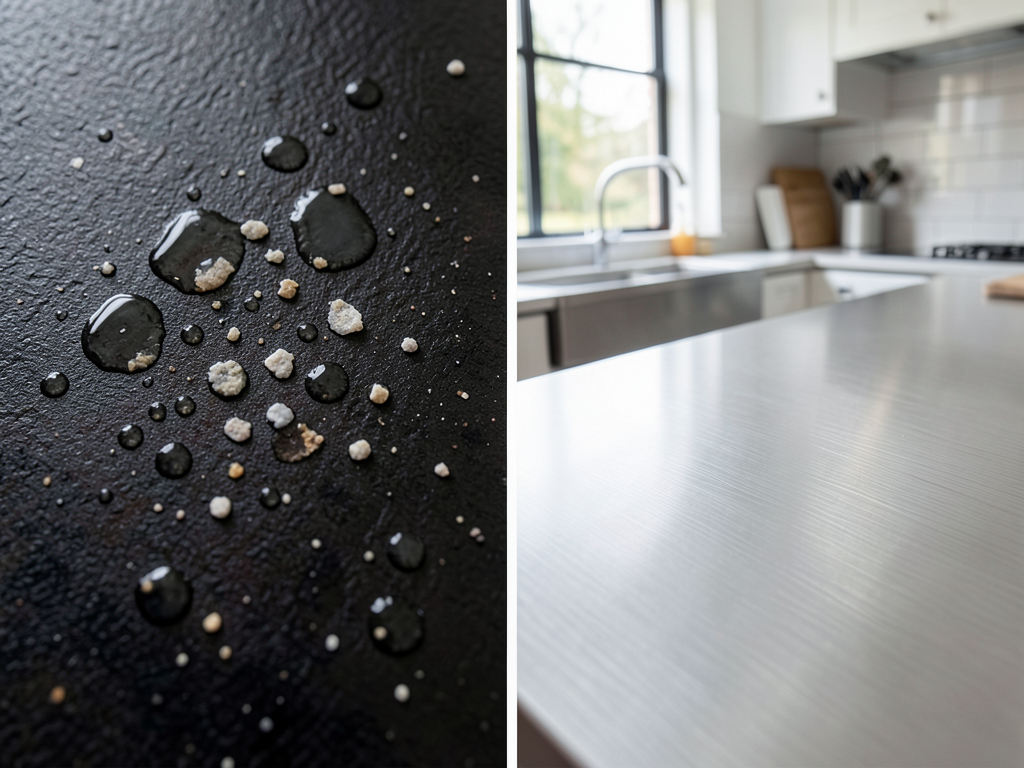
Material thickness matters for sink longevity. 16-gauge stainless steel provides optimal durability for Northside kitchens while maintaining cost-effectiveness. Thinner gauges dent easily under Riverside’s hard water pressure fluctuations. The brushed finish available on quality stainless sinks hides water spots better than polished surfaces, addressing a primary concern for local homeowners. Why homeowners in Orangecrest are upgrading to tankless water heaters this year.
Cost considerations favor stainless steel in the long term. While cast iron sinks cost less initially, replacement frequency due to mineral damage makes stainless steel more economical over a 15-year period. Northside residents report spending 40% less on sink maintenance and replacement when choosing stainless steel over cast iron.
Hard water effects on different sink materials
Riverside’s water hardness creates distinct challenges for kitchen sink materials. The calcium carbonate and magnesium content in our supply reacts differently with various surfaces, causing visible damage over time.
Stainless steel develops water spots but resists etching from mineral deposits. The chromium content in 304-grade stainless forms a protective layer that prevents corrosion. Regular cleaning with vinegar solutions removes spots without damaging the surface. 304 stainless steel properties.
Cast iron enamel shows the worst damage from hard water. Minerals penetrate microscopic cracks in the glaze, causing discoloration and eventual flaking. Northside homes near the University of California, Riverside campus report this damage appears within 3-5 years of installation.
Composite granite offers moderate resistance but requires specific cleaning products to prevent mineral buildup. The resin binder in these sinks can degrade when exposed to Riverside’s pH levels over extended periods.
Porcelain sinks suffer similar etching problems as cast iron but show damage more quickly. The surface becomes dull and rough, trapping more minerals and creating a cycle of accelerated deterioration.
Installation considerations for Northside homes
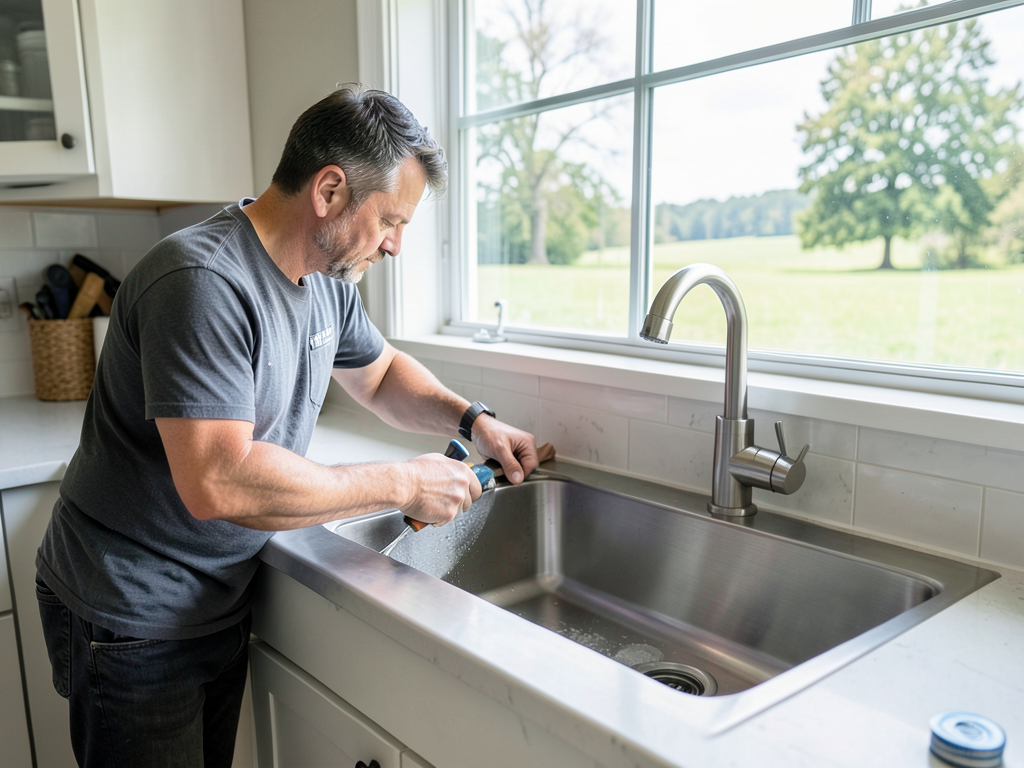
Northside’s architectural diversity affects sink installation approaches. Mid-century ranch homes built between 1950-1970 require different mounting strategies than newer developments near Canyon Crest. Dealing with a slab leak in your Canyon Crest home (How to fix it fast).
Older homes often have cabinetry not designed for heavy cast iron sinks. The weight of a cast iron sink plus water can exceed cabinet load ratings, causing structural issues. Stainless steel sinks weigh 70% less, eliminating this concern.
Plumbing modifications become necessary when switching from cast iron to stainless steel. The thinner walls of stainless steel sinks require different drain assembly heights. Local building codes in Riverside County mandate specific overflow protection when changing sink depths. The most common plumbing emergencies in La Sierra and how to solve them.
Countertop compatibility varies by material. Granite and quartz countertops support both sink types equally well. Laminate countertops benefit from stainless steel’s lighter weight, reducing stress on adhesive bonds.
Water supply connections in Northside homes built before 1980 often need updating when installing new sinks. Galvanized pipes corrode internally, reducing water pressure and flow rates essential for proper sink drainage.
Maintenance requirements comparison
Stainless steel maintenance involves simple daily cleaning with non-abrasive cleaners. The material resists bacterial growth and doesn’t harbor food particles in surface imperfections.
Cast iron requires specialized enamel-safe cleaners to prevent surface damage. Harsh chemicals etch the enamel, creating pathways for mineral penetration. Northside homeowners report spending 2-3 hours monthly on cast iron maintenance versus 15-20 minutes for stainless steel.
Hard water spot prevention differs significantly between materials. Stainless steel benefits from drying with microfiber cloths after each use. Cast iron develops permanent water spots if not dried immediately, particularly in Riverside’s mineral-rich water.. Read more about Why your sink drains so slowly even after you used a plunger in Northside.
Scratch resistance varies considerably. Stainless steel develops surface scratches that blend with brushed finishes over time. Cast iron enamel chips permanently when struck by dropped items, exposing raw iron that rusts quickly in Riverside’s humid conditions.. Read more about Comparing faucet finishes (Which ones hold up best against Riverside hard water?).
Cleaning product compatibility affects long-term appearance. Stainless steel tolerates most household cleaners. Cast iron requires pH-neutral products specifically formulated for enamel surfaces, limiting cleaning options for busy Northside families.
Cost analysis over 15-year lifespan
Initial purchase prices show cast iron sinks costing 15-25% less than quality stainless steel options. However, total ownership costs tell a different story for Northside residents.
Replacement frequency drives long-term costs. Cast iron sinks in Riverside’s hard water areas typically require replacement every 7-10 years. Stainless steel installations last 15-20 years with proper maintenance.
Maintenance supply costs accumulate significantly for cast iron. Specialty cleaners, repair kits, and professional polishing services add $200-400 annually. Stainless steel maintenance costs average $50-75 per year using standard household products. EPA WaterSense program.
Installation costs vary by material weight. Cast iron installation requires additional labor and sometimes structural reinforcement, adding $150-300 to initial costs. Stainless steel installation averages $75-150 less than cast iron.
Water damage potential affects insurance considerations. Cast iron chips can lead to water damage behind countertops, particularly in homes with aging plumbing. Stainless steel’s seamless construction eliminates this risk factor.. Read more about Plumbing layout mistakes to avoid when designing a kitchen island in Magnolia Center.
Environmental impact considerations
Manufacturing processes differ significantly between materials. Stainless steel production requires more energy initially but creates recyclable products. Cast iron manufacturing uses less energy but produces non-recyclable enamel finishes.
Replacement frequency affects landfill impact. Cast iron sinks replaced every 7-10 years contribute more waste than stainless steel lasting 15-20 years. Northside’s recycling programs accept stainless steel but not cast iron with damaged enamel.
Cleaning product environmental impact varies by material. Cast iron requires chemical cleaners that enter wastewater systems. Stainless steel cleans effectively with biodegradable soaps, reducing chemical load on Riverside’s water treatment facilities.
Transportation emissions differ due to weight. Cast iron’s heavier weight increases fuel consumption during shipping. Stainless steel’s lighter weight reduces transportation-related carbon emissions throughout the product lifecycle.
Local manufacturing availability affects environmental footprint. Several Southern California companies produce stainless steel sinks, reducing transportation distances. Most cast iron sinks ship from out-of-state manufacturers, increasing transportation-related emissions.
Sound and acoustic properties
Sound dampening varies significantly between materials. Cast iron naturally absorbs sound, creating quieter operation when water hits the surface. Stainless steel amplifies water sounds without undercoating.
Modern stainless steel sinks include sound-deadening pads that reduce noise by 50-70%. These pads also provide additional insulation against temperature changes, beneficial in Northside’s climate.
Water pressure affects acoustic performance differently. High-pressure systems common in Canyon Crest area homes create more noise with stainless steel than cast iron. Sound-deadening technology becomes more critical in these locations.
Daily use sounds vary by material. Stainless steel creates sharper sounds when dishes contact the surface. Cast iron produces duller, more muted sounds that some homeowners prefer for kitchen ambiance.
Echo characteristics differ in kitchen spaces. Stainless steel creates more sound reflection in open-plan Northside homes. Cast iron’s sound absorption properties benefit smaller kitchens with hard surfaces.
Installation process comparison
Drop-in installation differs between materials. Cast iron requires precise cutting since chips cannot be repaired if the opening is too large. Stainless steel offers more installation flexibility with slight measurement variations.
Undermount installation presents unique challenges. Cast iron’s weight requires additional support brackets and precise leveling. Stainless steel’s lighter weight simplifies undermount installation but requires careful sealing to prevent water damage.
Plumbing connection compatibility varies. Cast iron’s thicker walls accommodate standard drain fittings without modification. Stainless steel often requires adapters to match existing plumbing connections in older Northside homes.
Sealant requirements differ significantly. Cast iron requires minimal sealing since its weight creates its own seal. Stainless steel needs continuous bead sealant around mounting edges to prevent water infiltration.
Installation time varies by material. Cast iron installation takes 2-3 hours due to weight handling and precise leveling requirements. Stainless steel installation completes in 1-2 hours with standard tools.
Resale value impact
Kitchen upgrades affect home values differently. Stainless steel sinks appeal to modern buyers and align with current design trends in Northside’s real estate market.
Material durability influences buyer perceptions. Stainless steel’s reputation for longevity appeals to buyers concerned about maintenance costs. Cast iron’s potential for mineral damage raises concerns during home inspections.
Style compatibility affects marketability. Stainless steel works with contemporary, transitional, and even traditional designs popular in Northside homes. Cast iron suits specific styles but limits design flexibility.
Age considerations matter for older homes. Stainless steel updates mid-century kitchens without compromising architectural integrity. Cast iron maintains historical accuracy but may not meet modern buyer expectations.
Maintenance history becomes apparent during sales. Stainless steel’s easy maintenance shows in clean, spot-free surfaces. Cast iron with mineral deposits signals potential problems to prospective buyers.
Frequently Asked Questions
How long do stainless steel sinks last in Riverside’s hard water?
Quality 16-gauge stainless steel sinks last 15-20 years in Riverside’s hard water conditions. The chromium content prevents corrosion, while proper cleaning prevents mineral buildup. Homes near Magnolia Center report even longer lifespans due to slightly softer water from older supply lines.
Can I install a stainless steel sink in my vintage Northside home?
Yes, stainless steel works excellently in vintage Northside homes. The material’s lighter weight prevents cabinet stress common with cast iron in older homes. Installation requires minimal structural modification while providing modern functionality that appeals to today’s buyers.
What gauge stainless steel is best for kitchen sinks?
16-gauge stainless steel offers optimal durability and sound dampening for kitchen sinks. Lower gauges (thinner) dent easily under Riverside’s water pressure fluctuations. Higher gauges provide minimal additional benefit while increasing costs significantly.
How do I prevent water spots on stainless steel sinks?
Prevent water spots by drying the sink after each use with a microfiber cloth. Apply a small amount of mineral oil monthly to create a protective barrier. For existing spots, use a vinegar solution followed by thorough rinsing and drying.
Are stainless steel sinks noisy when water hits them?
Modern stainless steel sinks include sound-deadening pads that reduce noise by 50-70%. The pads also provide insulation and prevent condensation on the sink’s underside. Quality sinks in the Orangecrest area show minimal noise difference from cast iron.
What’s the average cost difference between stainless steel and cast iron sinks?
Stainless steel sinks cost $150-300 more initially than comparable cast iron models. However, over 15 years, stainless steel owners save $400-600 when accounting for replacement frequency and maintenance costs specific to Riverside’s hard water conditions.
Making your decision
Material selection ultimately depends on your specific needs and Northside home characteristics. Consider your kitchen’s style, your maintenance preferences, and your long-term plans for the property.
Stainless steel provides superior performance in Riverside’s hard water conditions while offering easier installation and lower long-term costs. The material’s durability and modern appearance suit most Northside homes, from mid-century ranches to newer developments.
Cast iron remains viable for specific design aesthetics or historical preservation projects. However, be prepared for higher maintenance requirements and shorter replacement cycles due to Riverside’s mineral-rich water supply.
Professional installation ensures optimal performance regardless of your material choice. Local plumbers understand Riverside’s specific challenges and can recommend appropriate mounting hardware, sealants, and plumbing modifications for your selected sink.
Consider scheduling a consultation to evaluate your specific kitchen layout and plumbing configuration. Professional assessment prevents costly mistakes and ensures your new sink performs optimally for years to come.
Ready to upgrade your kitchen sink? Call (951) 309-5599 today to schedule your consultation. Our Riverside plumbing experts will help you select the perfect sink material for your Northside home and handle installation with precision and care.
{
“@context”: “https://schema.org”,
“@type”: “BlogPosting”,
“headline”: “Why stainless steel sinks might be a better choice than cast iron for Northside kitchens”,
“description”: “Compare stainless steel vs cast iron sinks for Northside kitchens. Learn about Riverside’s hard water effects, durability, and maintenance from local plumbing experts.”,
“wordCount”: 2039,
“datePublished”: “2026-05-17T08:34:00.000Z”,
“dateModified”: “2026-05-17T08:34:00.000Z”,
“inLanguage”: “en-US”,
“mainEntityOfPage”: {
“@type”: “WebPage”,
“@id”: “https://evergreenplumbingriverside.com”
},
“publisher”: {
“@type”: “LocalBusiness”,
“name”: “Evergreen Plumbing Riverside”,
“url”: “https://evergreenplumbingriverside.com”
},
“author”: {
“@type”: “Organization”,
“name”: “Evergreen Plumbing Riverside”,
“url”: “https://evergreenplumbingriverside.com”
},
“image”: {
“@type”: “ImageObject”,
“url”: “https://evergreenplumbingriverside.com/wp-content/uploads/2026/03/why-stainless-steel-sinks-might-be-a-better-choice-1.png”
}
}
{
“@context”: “https://schema.org”,
“@type”: “Plumber”,
“name”: “Evergreen Plumbing Riverside”,
“url”: “https://evergreenplumbingriverside.com”,
“address”: {
“@type”: “PostalAddress”,
“addressLocality”: “Riverside”
},
“areaServed”: {
“@type”: “City”,
“name”: “Riverside”
}
}
{
“@context”: “https://schema.org”,
“@type”: “FAQPage”,
“mainEntity”: [
{
“@type”: “Question”,
“name”: “How long do stainless steel sinks last in Riverside’s hard water?”,
“acceptedAnswer”: {
“@type”: “Answer”,
“text”: “Quality 16-gauge stainless steel sinks last 15-20 years in Riverside’s hard water conditions. The chromium content prevents corrosion, while proper cleaning prevents mineral buildup. Homes near Magnolia Center report even longer lifespans due to slightly softer water from older supply lines.”
}
},
{
“@type”: “Question”,
“name”: “Can I install a stainless steel sink in my vintage Northside home?”,
“acceptedAnswer”: {
“@type”: “Answer”,
“text”: “Yes, stainless steel works excellently in vintage Northside homes. The material’s lighter weight prevents cabinet stress common with cast iron in older homes. Installation requires minimal structural modification while providing modern functionality that appeals to today’s buyers.”
}
},
{
“@type”: “Question”,
“name”: “What gauge stainless steel is best for kitchen sinks?”,
“acceptedAnswer”: {
“@type”: “Answer”,
“text”: “16-gauge stainless steel offers optimal durability and sound dampening for kitchen sinks. Lower gauges (thinner) dent easily under Riverside’s water pressure fluctuations. Higher gauges provide minimal additional benefit while increasing costs significantly.”
}
},
{
“@type”: “Question”,
“name”: “How do I prevent water spots on stainless steel sinks?”,
“acceptedAnswer”: {
“@type”: “Answer”,
“text”: “Prevent water spots by drying the sink after each use with a microfiber cloth. Apply a small amount of mineral oil monthly to create a protective barrier. For existing spots, use a vinegar solution followed by thorough rinsing and drying.”
}
},
{
“@type”: “Question”,
“name”: “Are stainless steel sinks noisy when water hits them?”,
“acceptedAnswer”: {
“@type”: “Answer”,
“text”: “Modern stainless steel sinks include sound-deadening pads that reduce noise by 50-70%. The pads also provide insulation and prevent condensation on the sink’s underside. Quality sinks in the Orangecrest area show minimal noise difference from cast iron.”
}
},
{
“@type”: “Question”,
“name”: “What’s the average cost difference between stainless steel and cast iron sinks?”,
“acceptedAnswer”: {
“@type”: “Answer”,
“text”: “Stainless steel sinks cost $150-300 more initially than comparable cast iron models. However, over 15 years, stainless steel owners save $400-600 when accounting for replacement frequency and maintenance costs specific to Riverside’s hard water conditions.”
}
}
]
}
{
“@context”: “https://schema.org”,
“@type”: “BreadcrumbList”,
“itemListElement”: [
{
“@type”: “ListItem”,
“position”: 1,
“name”: “Home”,
“item”: “https://evergreenplumbingriverside.com”
},
{
“@type”: “ListItem”,
“position”: 2,
“name”: “Blog”,
“item”: “https://evergreenplumbingriverside.com/blog”
},
{
“@type”: “ListItem”,
“position”: 3,
“name”: “Why stainless steel sinks might be a better choice than cast iron for Northside kitchens”
}
]
}
{
“@context”: “https://schema.org”,
“@type”: “Service”,
“serviceType”: “Plumbing”,
“provider”: {
“@type”: “LocalBusiness”,
“name”: “Evergreen Plumbing Riverside”,
“url”: “https://evergreenplumbingriverside.com”
},
“areaServed”: {
“@type”: “City”,
“name”: “Riverside”
},
“description”: “Compare stainless steel vs cast iron sinks for Northside kitchens. Learn about Riverside’s hard water effects, durability, and maintenance from local plumbing experts.”
}