The difference between a traditional water softener and a salt-free descaler for your Arlanza home
If you live in Arlanza, you already know the struggle with hard water. The white crusty buildup on faucets, the soap that won’t lather, and the spots on your dishes are all signs of Riverside’s mineral-rich water supply. But when it comes to fixing it, should you choose a traditional salt-based water softener or a salt-free descaler? The answer depends on your household needs, budget, and environmental concerns. Emergency Water Shut-Off Service.
Traditional water softeners use ion exchange to remove calcium and magnesium, replacing them with sodium. This process leaves your water feeling slippery and prevents scale buildup throughout your home. Salt-free descalers, on the other hand, don’t remove minerals but instead change their structure so they won’t stick to surfaces. Both systems have their place in Arlanza homes, but understanding the differences will help you make the right choice.
How Riverside’s hard water affects your home
Riverside Public Utilities reports water hardness levels between 12-20 grains per gallon (GPG) in the Arlanza area, which falls into the “very hard” category. This means your water contains high levels of dissolved calcium and magnesium that cause scale buildup in pipes, reduce water heater efficiency by up to 30%, and leave soap scum on fixtures. The problem is especially noticeable in Arlanza’s mid-century homes with older galvanized plumbing that’s more susceptible to mineral accumulation. The most common plumbing emergencies in La Sierra and how to solve them.
Local plumbers frequently see scale damage in tankless water heaters, where mineral buildup on heating elements forces units to work harder and fail prematurely. The Arlanza area’s water chemistry, influenced by the nearby Santa Ana River watershed, creates conditions where scale forms quickly without treatment. Many homeowners notice their water pressure dropping over time as pipes narrow from internal mineral deposits. Santa Ana Regional Water Quality Control Board.
How traditional salt-based water softeners work
Traditional water softeners use ion exchange technology. Inside the resin tank, tiny beads attract and hold calcium and magnesium ions, releasing sodium ions in exchange. When the resin becomes saturated, the system regenerates by flushing with brine solution from the salt tank, washing the minerals down the drain and recharging the beads.
This process removes hardness minerals completely, leaving you with “soft” water that feels slippery and produces abundant suds with soap. The system requires regular salt refills, typically every 4-6 weeks for a family of four, and periodic maintenance to clean the brine tank and check valve operation. Most units last 10-15 years with proper care.
The regeneration cycle uses about 25-50 gallons of water per cycle and discharges salty wastewater into your sewer system. In Riverside County, this wastewater eventually reaches treatment plants that aren’t designed to remove salt, which can affect downstream water quality. However, the immediate benefits include spot-free dishes, softer skin and hair, and extended appliance life. Trenchless sewer repair options for historic homes in Victoria Park.
How salt-free water descalers actually work
Salt-free systems use Template Assisted Crystallization (TAC) technology. Water passes through a catalytic media that causes calcium and magnesium to form microscopic crystals. These crystals remain suspended in the water rather than attaching to pipes and fixtures as scale.
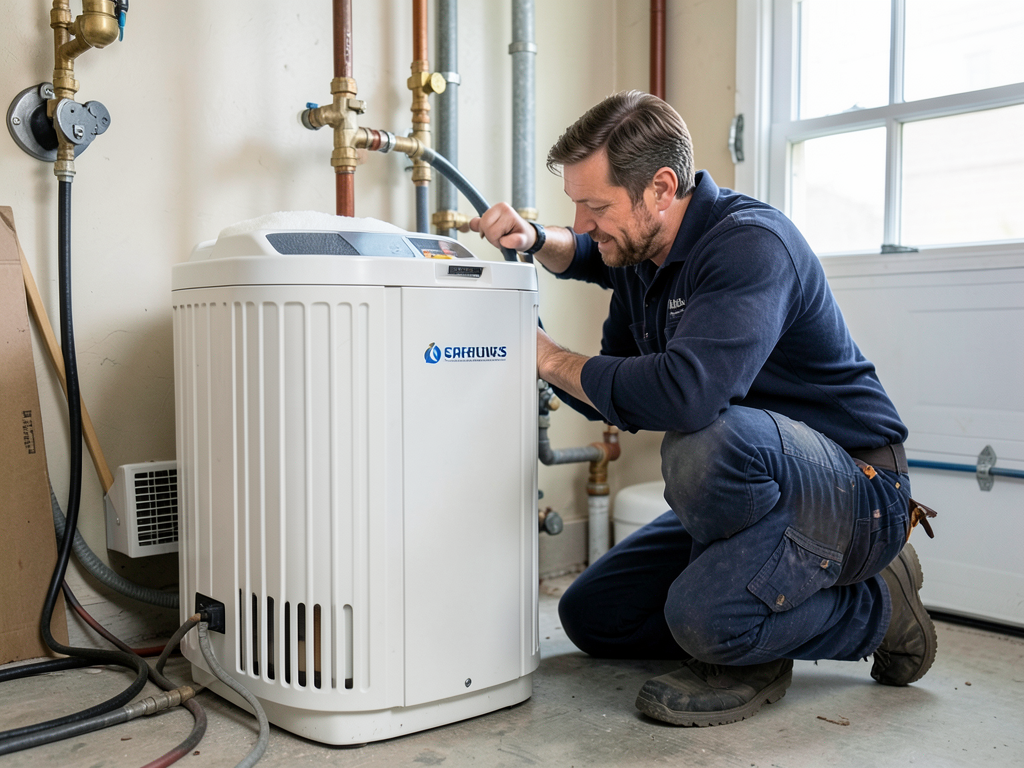
The process doesn’t remove minerals from your water. Instead, it changes their physical structure so they flow through your plumbing without causing damage. This means you still have the same mineral content, but without the negative effects of scale buildup. The system requires no electricity, no drainage, and no salt refills.
Water feels different with a descaler – more natural and less slippery than with a softener. You’ll still see some spots on dishes and glass shower doors, but they wipe off easily without scrubbing. The system typically lasts 5-7 years before the catalytic media needs replacement, and maintenance involves simply changing the filter cartridge.
Side-by-side comparison: What really matters in Arlanza
| Feature | Traditional Softener | Salt-Free Descaler |
|---|---|---|
| Initial Cost | $1,200-$2,500 | $800-$1,800 |
| Annual Maintenance | $100-$200 (salt) | $75-$150 (cartridge) |
| Water Usage | Increases 10-15% | No increase |
| Electricity Needed | Yes | No |
| Space Required | 36″x18″ footprint | 24″x9″ footprint |
| Environmental Impact | Salt discharge | No discharge |
| Water Feel | Slippery | Natural |
| Scale Prevention | 99% | 90-95% |
| Soap Performance | Excellent | Good |
Environmental regulations affecting your choice
California’s water districts are increasingly concerned about salt discharge from traditional softeners. The Santa Ana Regional Water Quality Control Board has implemented regulations limiting chloride levels in wastewater, and some areas are considering restrictions on new softener installations. While Arlanza isn’t currently under a ban, the trend is moving toward salt-free alternatives.
The EPA’s Clean Water Act requires municipalities to meet specific water quality standards, and high salt levels can trigger expensive treatment upgrades. Many Riverside residents choose salt-free systems to avoid potential future restrictions and reduce their environmental footprint. The descaler’s zero-discharge design aligns with California’s water conservation goals and emerging green building standards. EPA WaterSense program.
For homes with septic systems, which are common in Arlanza’s older neighborhoods, salt discharge can harm beneficial bacteria and reduce system efficiency. Salt-free descalers eliminate this concern while still providing adequate scale protection for most household needs.
Real-world performance in Arlanza homes
Homeowners in Arlanza’s Victoria Grove and La Paz communities report different experiences with each system. Those with traditional softeners notice immediate improvements in soap lathering and skin feel, but struggle with the ongoing salt costs and the need to carry heavy bags to the garage. Families with young children often prefer the slippery feel of softened water for bathing. Why homeowners in Orangecrest are upgrading to tankless water heaters this year.
Salt-free descaler users in the Arlanza Green neighborhood appreciate the set-and-forget maintenance and environmental benefits. They report less scale on fixtures and easier cleaning, though some miss the luxurious feel of truly soft water. The descaler works particularly well for tankless water heaters, which are popular in newer Arlanza developments.
Local plumbers using moisture meters and water hardness test kits consistently find that both systems reduce scale formation by 90% or more when properly sized and maintained. The choice often comes down to personal preference for water feel versus convenience and environmental impact. How to find a local plumber in Mission Grove who actually answers the phone.
Cost analysis for Arlanza residents
Over a 10-year period, a traditional softener typically costs $2,500-$3,500 including salt and maintenance. A salt-free descaler runs $1,500-$2,000 for the same timeframe. The higher upfront cost of softeners is offset by slightly lower annual maintenance, but the descaler’s longer media life and no-salt requirement can make it more economical long-term.
Installation costs in Arlanza range from $300-$600 for both systems, though softeners may require additional plumbing for drainage and electrical connections. Many homeowners qualify for rebates through Western Municipal Water District’s water efficiency programs when choosing eco-friendly options like descalers.
Consider your household size and water usage. A family of four using 300 gallons per day will go through 40-80 pounds of salt monthly with a traditional softener. At $6-8 per 40-pound bag, that’s $15-40 monthly just for salt. The descaler’s cartridge replacement every 6-12 months costs about the same but requires less frequent attention.
Making the right choice for your Arlanza home
Choose a traditional softener if you want the complete soft water experience, have very hard water (over 15 GPG), or prioritize soap performance and skin feel. This option works best for families who don’t mind regular maintenance and want the full benefits of softened water throughout their home.
Opt for a salt-free descaler if you prefer low maintenance, want to avoid salt discharge, or have concerns about sodium in your drinking water. This system suits environmentally conscious homeowners, those with septic systems, or anyone who wants scale protection without the slippery water feel.
Consider a hybrid approach: install a whole-house descaler for scale prevention and add a point-of-use softener for drinking water and specific appliances. This provides the best of both worlds while minimizing environmental impact and maintenance requirements.
Call (951) 309-5599 today to schedule a water test and consultation. Our licensed plumbers will test your water hardness, evaluate your plumbing system, and recommend the best solution for your Arlanza home’s specific needs.
Frequently Asked Questions
Will a salt-free system protect my tankless water heater?
Yes, salt-free descalers effectively prevent scale buildup in tankless units by keeping minerals suspended rather than allowing them to adhere to heat exchangers. This protection can extend your heater’s life by 3-5 years and maintain efficiency.
Can I install these systems myself?
While possible, professional installation ensures proper sizing, prevents leaks, and maintains warranty coverage. Local codes require permits for water treatment equipment, and incorrect installation can damage your plumbing or void manufacturer warranties.
How do I know which system I need?
A water test is essential. Systems are sized based on your water hardness and household flow rate. Most Arlanza homes need units rated for 10-15 GPM, but larger homes or those with multiple bathrooms may require higher capacity systems.
What about drinking water quality?
Neither system removes beneficial minerals from your water. Traditional softeners add minimal sodium (about 30-40 mg per 8 oz glass), while descalers maintain natural mineral content. For sodium-sensitive individuals, a reverse osmosis system can be added to the kitchen for drinking water.
How long do these systems last?
Traditional softeners typically last 10-15 years with proper maintenance. Salt-free descalers have media that lasts 5-7 years before replacement is needed. Both systems come with manufacturer warranties ranging from 5-10 years depending on the brand and model.
Ready to solve your hard water problems? Call (951) 309-5599 now to speak with a water treatment specialist about your Arlanza home. We’ll help you choose the right system and provide professional installation with a satisfaction guarantee.
{
“@context”: “https://schema.org”,
“@type”: “BlogPosting”,
“headline”: “The difference between a traditional water softener and a salt-free descaler for your Arlanza home”,
“description”: “Confused about water softeners vs. descalers in Arlanza? Learn the real differences in cost, maintenance, and performance for Riverside’s hard water. Call (951) 309-5599.”,
“wordCount”: 1624,
“datePublished”: “2026-05-10T11:20:00.000Z”,
“dateModified”: “2026-05-10T11:20:00.000Z”,
“inLanguage”: “en-US”,
“mainEntityOfPage”: {
“@type”: “WebPage”,
“@id”: “https://evergreenplumbingriverside.com”
},
“publisher”: {
“@type”: “LocalBusiness”,
“name”: “Evergreen Plumbing Riverside”,
“url”: “https://evergreenplumbingriverside.com”
},
“author”: {
“@type”: “Organization”,
“name”: “Evergreen Plumbing Riverside”,
“url”: “https://evergreenplumbingriverside.com”
},
“image”: {
“@type”: “ImageObject”,
“url”: “https://evergreenplumbingriverside.com/wp-content/uploads/2026/03/the-difference-between-a-traditional-water-softene-1.png”
}
}
{
“@context”: “https://schema.org”,
“@type”: “Plumber”,
“name”: “Evergreen Plumbing Riverside”,
“url”: “https://evergreenplumbingriverside.com”,
“address”: {
“@type”: “PostalAddress”,
“addressLocality”: “Riverside”
},
“areaServed”: {
“@type”: “City”,
“name”: “Riverside”
}
}
{
“@context”: “https://schema.org”,
“@type”: “FAQPage”,
“mainEntity”: [
{
“@type”: “Question”,
“name”: “Will a salt-free system protect my tankless water heater?”,
“acceptedAnswer”: {
“@type”: “Answer”,
“text”: “Yes, salt-free descalers effectively prevent scale buildup in tankless units by keeping minerals suspended rather than allowing them to adhere to heat exchangers. This protection can extend your heater’s life by 3-5 years and maintain efficiency.”
}
},
{
“@type”: “Question”,
“name”: “Can I install these systems myself?”,
“acceptedAnswer”: {
“@type”: “Answer”,
“text”: “While possible, professional installation ensures proper sizing, prevents leaks, and maintains warranty coverage. Local codes require permits for water treatment equipment, and incorrect installation can damage your plumbing or void manufacturer warranties.”
}
},
{
“@type”: “Question”,
“name”: “How do I know which system I need?”,
“acceptedAnswer”: {
“@type”: “Answer”,
“text”: “A water test is essential. Systems are sized based on your water hardness and household flow rate. Most Arlanza homes need units rated for 10-15 GPM, but larger homes or those with multiple bathrooms may require higher capacity systems.”
}
},
{
“@type”: “Question”,
“name”: “How long do these systems last?”,
“acceptedAnswer”: {
“@type”: “Answer”,
“text”: “Traditional softeners typically last 10-15 years with proper maintenance. Salt-free descalers have media that lasts 5-7 years before replacement is needed. Both systems come with manufacturer warranties ranging from 5-10 years depending on the brand and model.”
}
}
]
}
{
“@context”: “https://schema.org”,
“@type”: “BreadcrumbList”,
“itemListElement”: [
{
“@type”: “ListItem”,
“position”: 1,
“name”: “Home”,
“item”: “https://evergreenplumbingriverside.com”
},
{
“@type”: “ListItem”,
“position”: 2,
“name”: “Blog”,
“item”: “https://evergreenplumbingriverside.com/blog”
},
{
“@type”: “ListItem”,
“position”: 3,
“name”: “The difference between a traditional water softener and a salt-free descaler for your Arlanza home”
}
]
}
{
“@context”: “https://schema.org”,
“@type”: “Service”,
“serviceType”: “Plumbing”,
“provider”: {
“@type”: “LocalBusiness”,
“name”: “Evergreen Plumbing Riverside”,
“url”: “https://evergreenplumbingriverside.com”
},
“areaServed”: {
“@type”: “City”,
“name”: “Riverside”
},
“description”: “Confused about water softeners vs. descalers in Arlanza? Learn the real differences in cost, maintenance, and performance for Riverside’s hard water. Call (951) 309-5599.”
}