
The benefits of installing a secondary shut-off valve for your Riverside garden
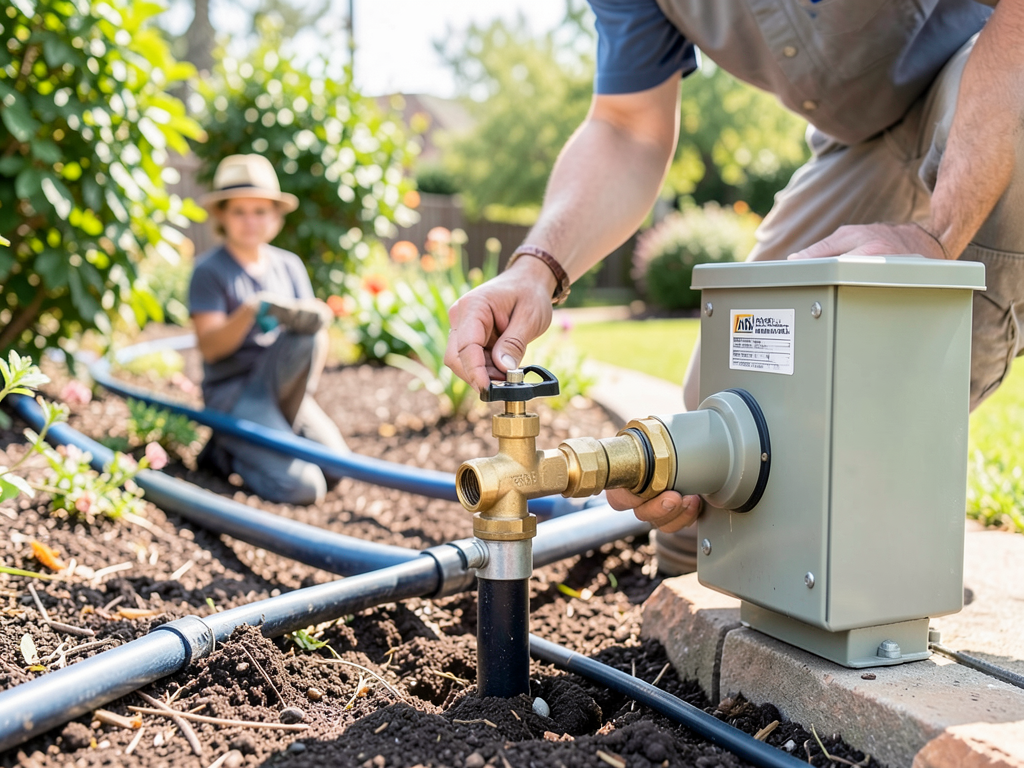
A secondary shut-off valve gives Riverside homeowners precise control over garden irrigation without disrupting the entire household water supply. This simple addition prevents costly water damage from burst pipes, allows for easy seasonal maintenance, and provides peace of mind during vacations or emergencies. Why homeowners in Orangecrest are upgrading to tankless water heaters this year.
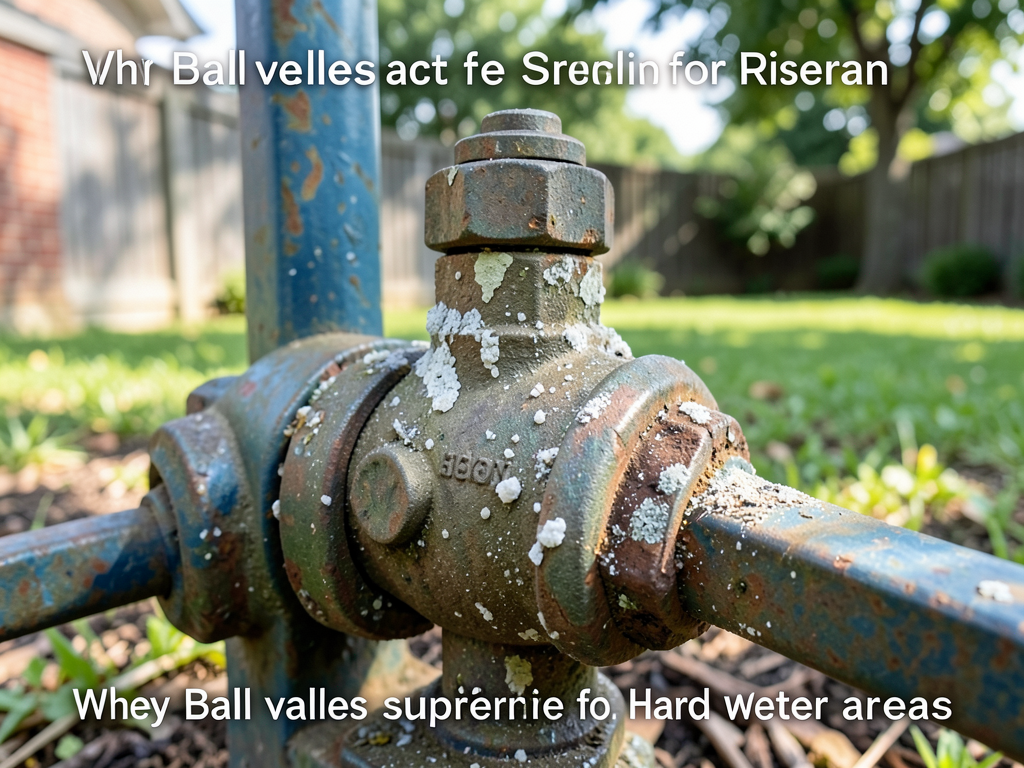
Riverside’s unique climate and soil conditions make secondary valves particularly valuable. The Inland Empire’s hard water causes mineral buildup that can seize main valves, while the area’s expansive clay soils shift pipes over time, creating weak points in irrigation systems. A dedicated garden shut-off eliminates the need to walk to the street meter box when quick action is needed. Emergency Water Shut-Off Service.
Most Riverside homes built after the 1980s have their main shut-off near the water meter in a green utility box, but this location requires special tools and can be difficult to access quickly. A secondary valve installed near your garden hose connection or irrigation manifold provides immediate control right where you need it.
Common valve problems in Riverside gardens
Riverside’s hard water creates specific challenges for outdoor valves. The high mineral content in local groundwater causes calcium and magnesium deposits that build up inside valve stems and seats. Over time, this buildup makes valves difficult to turn and can cause them to seize completely. How to find a local plumber in Mission Grove who actually answers the phone.
Heat damage represents another local issue. Riverside summer temperatures regularly exceed 100°F, causing rubber seals in outdoor valves to dry out and crack. UV exposure from direct sunlight breaks down plastic components, while thermal expansion from temperature swings can stress valve bodies.
Soil conditions in Riverside contribute to valve failures. The area’s clay soils expand when wet and contract when dry, putting pressure on buried pipes and valve connections. This movement can cause small leaks that worsen over time, especially at threaded connections where valves attach to supply lines.
Ball valve vs. gate valve comparison for outdoor use
| Feature | Ball Valve | Gate Valve |
|---|---|---|
| Operation | Quarter-turn lever | Multiple turns of wheel |
| Sealing mechanism | Teflon seats | Wedge gate against metal seats |
| Freeze resistance | Better (full flow when open) | Poor (traps water in chamber) |
| Lifespan in hard water | 15-20 years | 5-8 years |
| Cost | $35-75 | $25-50 |
Ball valves outperform gate valves in Riverside’s climate for several reasons. The quarter-turn operation works reliably even when mineral deposits build up, while gate valves often become stuck in the partially open position. Ball valves also provide better flow characteristics and resist freeze damage more effectively.
Gate valves remain common in older Riverside homes because they were the standard for decades. However, their multiple-turn operation makes them prone to stripping when mineral buildup occurs. The wedge design also creates a cavity where water can become trapped and freeze during rare cold snaps. The most common plumbing emergencies in La Sierra and how to solve them.
Where to install your secondary shut-off valve
The ideal location for a secondary valve depends on your garden layout and existing plumbing. Most Riverside homes have their main water line entering near the front of the house, with irrigation systems branching off in the backyard or side yards.
For homes in Orangecrest and Canyon Crest, where properties often have large side yards, installing the valve near the main irrigation manifold provides the most control. This location allows you to isolate the entire irrigation system while keeping indoor plumbing functional. Dealing with a slab leak in your Canyon Crest home (How to fix it fast).
In older neighborhoods like Magnolia Center and Downtown Riverside, where lots are smaller and homes are closer together, a valve near the hose bib connection might be more practical. This setup works well for hand-watering gardens or small sprinkler systems.
Consider installing the valve in an above-ground valve box if your irrigation system has multiple zones. This arrangement provides easy access for maintenance while protecting the valve from UV damage and lawn equipment.
Installation considerations for Riverside properties
Riverside County plumbing codes require outdoor valves to meet specific standards. The California Plumbing Code mandates that valves be accessible without special tools and installed at least 6 inches above grade to prevent contamination from standing water. California Public Utilities Commission.
Pressure considerations matter in Riverside’s hilly areas. Homes in elevated neighborhoods like La Sierra Hills may experience higher water pressure that requires a pressure-reducing valve upstream of the secondary shut-off. Without proper pressure regulation, high pressure can cause premature valve failure and leaks.
Backflow prevention is mandatory for irrigation systems in Riverside. The California Code of Regulations Title 17 requires backflow preventers on all irrigation connections to protect the public water supply from contamination. Your secondary valve should be installed downstream of any required backflow prevention devices.
Material selection impacts longevity in Riverside’s climate. Brass valves resist corrosion better than steel but cost more. For the highest durability, choose lead-free brass with stainless steel components. Avoid valves with plastic bodies, as UV exposure will cause them to become brittle within a few years.
Step-by-step valve replacement process
- Locate the main water supply
Find your main shut-off valve, typically in a green utility box near the street. Turn off the water supply before beginning work.
- Relieve system pressure
Open a hose bib or faucet to release pressure from the pipes. This prevents water from spraying when you cut into the line.
- Cut out the old valve
Measure and mark the pipe section containing the old valve. Use a pipe cutter to make clean cuts on both sides of the valve body.
- Prepare the pipe ends
Clean the cut pipe ends with emery cloth to remove burrs and oxidation. Measure the new valve and mark the pipe for proper alignment.
- Install new valve
Apply pipe thread sealant or Teflon tape to threaded connections. Hand-tighten connections, then use a wrench to snug them up without over-tightening.
- Test for leaks
Turn the main water supply back on slowly. Check all connections for leaks. Tighten slightly if needed, but avoid over-tightening.
Working with outdoor plumbing in Riverside requires specific safety considerations. Always check for underground utilities before digging, even for shallow valve installations. Call 811 at least two days before any excavation to have utilities marked.
Temperature matters when working with pipes. Avoid installing valves in direct sunlight during the hottest part of the day, as thermal expansion can cause measurement errors. Early morning or late afternoon work provides the most accurate results.
Emergency shut-off procedures for Riverside homeowners
Knowing how to quickly shut off water can prevent thousands of dollars in damage during a plumbing emergency. Every Riverside homeowner should locate and test their main and secondary shut-off valves annually.
The main shut-off valve typically requires a special wrench called a curb key to operate. These tools are available at hardware stores for under $20. Keep one in an accessible location, not buried in a toolbox in the garage.
Secondary valves should turn easily by hand. If a valve requires excessive force or won’t turn at all, don’t force it. Forcing a stuck valve can break the stem or crack the valve body, creating a worse problem than the original issue.
During freeze warnings, which occur occasionally in Riverside’s inland valleys, open both main and secondary valves slightly to allow a small amount of water to flow. This prevents pressure buildup from ice expansion that could burst pipes.
Maintenance tips for long-lasting valve performance
Annual maintenance extends valve life and ensures reliable operation when you need it most. Every spring, test each valve by turning it fully open and closed. This simple exercise prevents mineral buildup from seizing the mechanism.
Clean valve handles and stems with a wire brush to remove corrosion and mineral deposits. Apply silicone lubricant to moving parts to protect against Riverside’s dry climate. Avoid petroleum-based lubricants, as they can degrade rubber seals over time.
Check for leaks around valve stems and connections. Even small drips waste water and indicate developing problems. Riverside’s water rates make leak detection economically important – a single drip per second wastes over 3,000 gallons annually.
Inspect valve boxes and covers for damage. Cracked or missing covers allow dirt and debris to enter the valve mechanism. Replace damaged covers promptly to maintain proper operation and prevent contamination.
Benefits of professional installation
Professional plumbers bring expertise that prevents common DIY mistakes. They understand Riverside’s specific plumbing challenges, including local water pressure variations, soil movement patterns, and code requirements that affect outdoor valve installation.
Professionals have specialized tools for working with different pipe materials. Whether your home has copper, galvanized steel, or PEX plumbing, proper tools and techniques prevent damage during valve replacement. Incorrect cutting or threading can weaken pipes and create future leak points.
Permitting requirements vary by location within Riverside County. Some municipalities require permits for valve replacement, especially if it involves cutting into the main water line. Professional plumbers handle permitting and ensure work meets all local codes.
Warranty protection provides peace of mind. Most professional installations include warranties covering both parts and labor. If a valve fails prematurely or develops problems, you have recourse without additional cost.
Cost factors for secondary valve installation
Installation costs vary based on several factors specific to Riverside properties. Basic valve replacement near existing plumbing typically costs $250-400, while installations requiring new pipe runs or valve boxes range from $400-800.
Accessibility affects pricing significantly. Valves located in crawl spaces, behind walls, or in landscaped areas with extensive root systems require more labor and may increase costs by 30-50%. Homes in established neighborhoods like Victoria Grove often have mature landscaping that complicates access.
Material choices impact both cost and longevity. Standard brass ball valves cost less but may need replacement sooner than premium lead-free brass valves with stainless steel components. The higher initial investment often pays off through longer service life and better reliability.
Emergency service calls during nights or weekends typically incur premium rates. Planning valve replacement during regular business hours can save 25-40% compared to emergency service fees.
Frequently Asked Questions
How long does a secondary shut-off valve last in Riverside’s climate?
Quality brass ball valves typically last 15-20 years in Riverside’s conditions. Factors affecting lifespan include water hardness, UV exposure, and frequency of use. Annual maintenance can extend valve life by several years.
Can I install a secondary valve myself?
DIY installation is possible for homeowners with plumbing experience, but mistakes can cause leaks or code violations. Professional installation ensures proper materials, correct sizing, and compliance with Riverside County plumbing codes.
What if my valve is stuck and won’t turn?
Never force a stuck valve. Apply penetrating oil and wait 24 hours before attempting to turn it again. If it remains stuck, call a professional plumber. Forcing a stuck valve often causes more damage than the original problem.
How much water can a leaking valve waste?
Even a small leak can waste significant water. A valve dripping once per second wastes approximately 3,000 gallons per year. At Riverside’s current water rates, this represents $30-50 in wasted water annually.
Do I need a permit to install a secondary shut-off valve?
Permit requirements vary by location within Riverside County. Some cities require permits for any work on the main water line, while others only require permits for new installations. Professional plumbers handle permitting as part of their service.
[IMAGE_PLACEHOLDER_3>
Protecting your Riverside garden from water damage starts with reliable control over your irrigation system. A secondary shut-off valve provides that control while preventing costly emergencies and simplifying seasonal maintenance.
Don’t wait for a plumbing emergency to discover your main valve is stuck or inaccessible. Call (951) 309-5599 today to schedule your secondary valve installation. Our experienced plumbers understand Riverside’s unique challenges and can recommend the best valve solution for your specific property.
Pick up the phone and call (951) 309-5599 before the next heat wave hits. A properly installed secondary valve could save you thousands in potential water damage while giving you immediate control over your garden irrigation. For more information, visit EPA WaterSense Program.
{
“@context”: “https://schema.org”,
“@type”: “BlogPosting”,
“headline”: “The benefits of installing a secondary shut-off valve for your Riverside garden”,
“description”: “Learn why a secondary shut-off valve protects your Riverside garden from costly water damage. Get expert tips on installation, maintenance, and emergency shut-off procedures.”,
“wordCount”: 2021,
“datePublished”: “2026-06-09T11:14:00.000Z”,
“dateModified”: “2026-06-09T11:14:00.000Z”,
“inLanguage”: “en-US”,
“mainEntityOfPage”: {
“@type”: “WebPage”,
“@id”: “https://evergreenplumbingriverside.com”
},
“publisher”: {
“@type”: “LocalBusiness”,
“name”: “Evergreen Plumbing Riverside”,
“url”: “https://evergreenplumbingriverside.com”
},
“author”: {
“@type”: “Organization”,
“name”: “Evergreen Plumbing Riverside”,
“url”: “https://evergreenplumbingriverside.com”
},
“image”: {
“@type”: “ImageObject”,
“url”: “https://evergreenplumbingriverside.com/wp-content/uploads/2026/03/the-benefits-of-installing-a-secondary-shut-off-va-1.png”
}
}
{
“@context”: “https://schema.org”,
“@type”: “Plumber”,
“name”: “Evergreen Plumbing Riverside”,
“url”: “https://evergreenplumbingriverside.com”,
“address”: {
“@type”: “PostalAddress”,
“addressLocality”: “Riverside”
},
“areaServed”: {
“@type”: “City”,
“name”: “Riverside”
}
}
{
“@context”: “https://schema.org”,
“@type”: “FAQPage”,
“mainEntity”: [
{
“@type”: “Question”,
“name”: “How long does a secondary shut-off valve last in Riverside’s climate?”,
“acceptedAnswer”: {
“@type”: “Answer”,
“text”: “Quality brass ball valves typically last 15-20 years in Riverside’s conditions. Factors affecting lifespan include water hardness, UV exposure, and frequency of use. Annual maintenance can extend valve life by several years.”
}
},
{
“@type”: “Question”,
“name”: “Can I install a secondary valve myself?”,
“acceptedAnswer”: {
“@type”: “Answer”,
“text”: “DIY installation is possible for homeowners with plumbing experience, but mistakes can cause leaks or code violations. Professional installation ensures proper materials, correct sizing, and compliance with Riverside County plumbing codes.”
}
},
{
“@type”: “Question”,
“name”: “What if my valve is stuck and won’t turn?”,
“acceptedAnswer”: {
“@type”: “Answer”,
“text”: “Never force a stuck valve. Apply penetrating oil and wait 24 hours before attempting to turn it again. If it remains stuck, call a professional plumber. Forcing a stuck valve often causes more damage than the original problem.”
}
},
{
“@type”: “Question”,
“name”: “How much water can a leaking valve waste?”,
“acceptedAnswer”: {
“@type”: “Answer”,
“text”: “Even a small leak can waste significant water. A valve dripping once per second wastes approximately 3,000 gallons per year. At Riverside’s current water rates, this represents $30-50 in wasted water annually.”
}
},
{
“@type”: “Question”,
“name”: “Do I need a permit to install a secondary shut-off valve?”,
“acceptedAnswer”: {
“@type”: “Answer”,
“text”: “Permit requirements vary by location within Riverside County. Some cities require permits for any work on the main water line, while others only require permits for new installations. Professional plumbers handle permitting as part of their service.”
}
}
]
}
{
“@context”: “https://schema.org”,
“@type”: “HowTo”,
“name”: “How to replace an outdoor shut-off valve”,
“step”: [
{
“@type”: “HowToStep”,
“position”: 1,
“name”: “Locate the main water supply”,
“text”: “Find your main shut-off valve, typically in a green utility box near the street. Turn off the water supply before beginning work.”
},
{
“@type”: “HowToStep”,
“position”: 2,
“name”: “Relieve system pressure”,
“text”: “Open a hose bib or faucet to release pressure from the pipes. This prevents water from spraying when you cut into the line.”
},
{
“@type”: “HowToStep”,
“position”: 3,
“name”: “Cut out the old valve”,
“text”: “Measure and mark the pipe section containing the old valve. Use a pipe cutter to make clean cuts on both sides of the valve body.”
},
{
“@type”: “HowToStep”,
“position”: 4,
“name”: “Prepare the pipe ends”,
“text”: “Clean the cut pipe ends with emery cloth to remove burrs and oxidation. Measure the new valve and mark the pipe for proper alignment.”
},
{
“@type”: “HowToStep”,
“position”: 5,
“name”: “Install new valve”,
“text”: “Apply pipe thread sealant or Teflon tape to threaded connections. Hand-tighten connections, then use a wrench to snug them up without over-tightening.”
},
{
“@type”: “HowToStep”,
“position”: 6,
“name”: “Test for leaks”,
“text”: “Turn the main water supply back on slowly. Check all connections for leaks. Tighten slightly if needed, but avoid over-tightening.”
}
],
“image”: “https://evergreenplumbingriverside.com/wp-content/uploads/2026/03/the-benefits-of-installing-a-secondary-shut-off-va-1.png”
}
{
“@context”: “https://schema.org”,
“@type”: “BreadcrumbList”,
“itemListElement”: [
{
“@type”: “ListItem”,
“position”: 1,
“name”: “Home”,
“item”: “https://evergreenplumbingriverside.com”
},
{
“@type”: “ListItem”,
“position”: 2,
“name”: “Blog”,
“item”: “https://evergreenplumbingriverside.com/blog”
},
{
“@type”: “ListItem”,
“position”: 3,
“name”: “The benefits of installing a secondary shut-off valve for your Riverside garden”
}
]
}
{
“@context”: “https://schema.org”,
“@type”: “Service”,
“serviceType”: “Plumbing”,
“provider”: {
“@type”: “LocalBusiness”,
“name”: “Evergreen Plumbing Riverside”,
“url”: “https://evergreenplumbingriverside.com”
},
“areaServed”: {
“@type”: “City”,
“name”: “Riverside”
},
“description”: “Learn why a secondary shut-off valve protects your Riverside garden from costly water damage. Get expert tips on installation, maintenance, and emergency shut-off procedures.”
}