
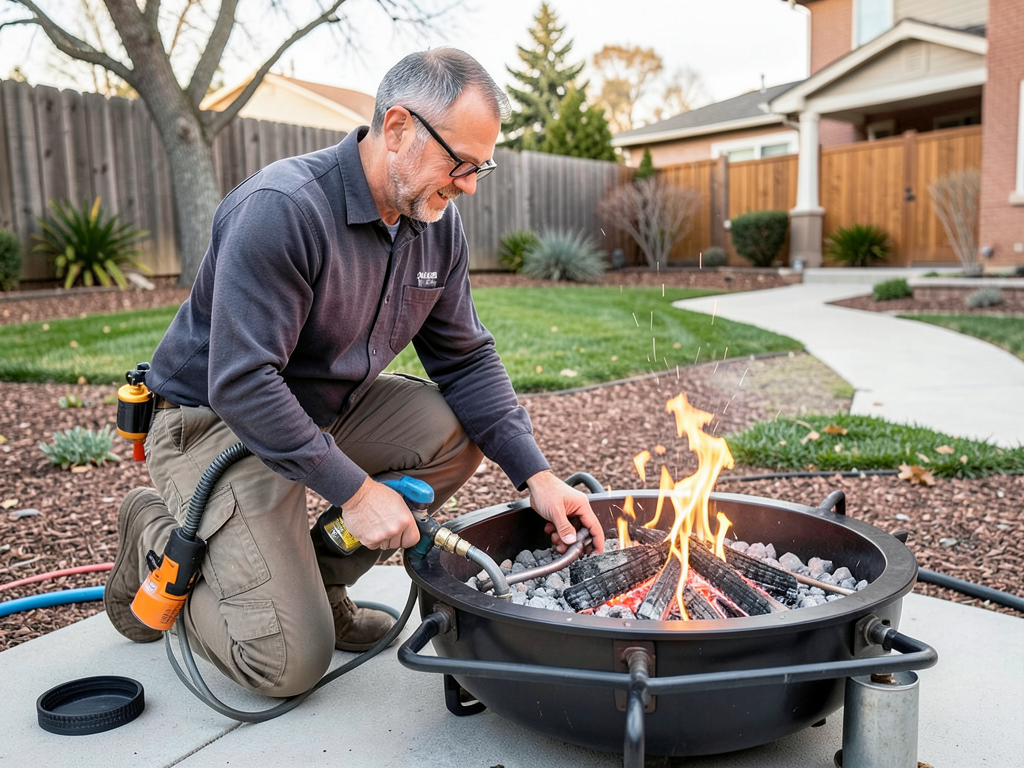
How to safely run a gas line for your new Orangecrest fire pit or barbecue
Adding a fire pit or built-in barbecue to your Orangecrest backyard transforms your outdoor space into a year-round gathering spot. But before you light that first flame, there’s one critical step that determines whether your new feature is a source of joy or a safety hazard: professional gas line installation. The Inland Empire’s clay-heavy soils, seasonal temperature swings, and strict California building codes make this work far more complex than running a garden hose. This guide walks you through what licensed plumbers actually do when installing gas lines for outdoor fire features in Riverside County. California Contractors State License Board.
Why you need a licensed plumber for outdoor fire pit gas lines
Gas line work isn’t a weekend DIY project. A single leak can lead to explosions, carbon monoxide poisoning, or devastating property damage. California law requires anyone installing or modifying gas piping to hold a valid C-36 plumbing license from the Contractors State License Board. Beyond legal compliance, licensed plumbers understand Southern California’s unique conditions: how our expansive clay soil shifts over time, how to protect buried pipes from corrosion, and how to pressure-test connections to ensure zero leaks. They also coordinate with Southern California Gas Company when your new line requires a meter upgrade to handle increased BTU loads. How to find a local plumber in Mission Grove who actually answers the phone.
Our Riverside gas line installation process: step-by-step
Professional installation follows a precise sequence that protects your home and ensures code compliance. First, the plumber calculates your total BTU requirement based on the fire pit’s burner size and any other gas appliances you plan to run simultaneously. This determines pipe diameter and whether your existing meter can handle the load. Next comes the trenching phase, where crews dig to California Plumbing Code-mandated depths—typically 18 inches for residential gas lines—while avoiding utility conflicts. Pipes are then laid using approved materials like polyethylene for underground runs or corrugated stainless steel tubing (CSST) for protected areas. After installation, the system undergoes a pressure test at 15 PSI for 15 minutes to verify integrity. Finally, the City of Riverside Building & Safety Division inspects the work before you can use your new fire feature. The most common plumbing emergencies in La Sierra and how to solve them.
Understanding Riverside city permits and safety codes for fire pits
Riverside County and the City of Riverside enforce specific requirements for outdoor gas installations. You’ll need a building permit before any trenching begins. The permit application requires detailed plans showing gas line routing, shut-off valve locations, and compliance with California Mechanical Code Section 1306, which mandates accessible emergency shut-off valves within 6 feet of the fire feature. Local inspectors verify that all buried piping is properly marked with warning tape and that connections are accessible for future maintenance. The city also enforces setback requirements—typically maintaining 10 feet from property lines and structures. Skipping permits might seem like a shortcut, but unpermitted work can void your homeowner’s insurance and create legal liabilities if problems arise. Emergency Water Shut-Off Service.
Natural gas vs. propane: which is right for your Riverside backyard?
Your choice between natural gas and propane affects installation complexity, operating costs, and convenience. Natural gas offers unlimited runtime since it taps into your home’s existing supply, but it requires extending a buried line from your meter to the fire pit location. This makes sense for Orangecrest homes where the fire pit sits near the house. Propane provides flexibility for installations farther from the home and burns slightly hotter than natural gas, but you’ll need either a buried propane line connected to a large tank or a readily accessible portable tank. The decision often hinges on your fire pit’s BTU rating—units over 100,000 BTU typically benefit from natural gas’s continuous supply, while smaller units work well with propane’s portability. Why homeowners in Orangecrest are upgrading to tankless water heaters this year.
Determining pipe size and BTU requirements
Gas line sizing isn’t guesswork—it’s based on precise calculations that prevent dangerous pressure drops. A typical 36-inch round fire pit with a 200,000 BTU burner requires a minimum 3/4-inch diameter pipe for runs under 50 feet from the meter. Longer runs or higher BTU ratings demand larger pipes to maintain adequate pressure. The plumber uses gas pipe sizing charts from the National Fuel Gas Code, factoring in your home’s total gas demand, elevation, and whether the line serves other appliances. Undersized pipes cause weak flames and can make the fire pit unsafe to operate. Oversized pipes waste money and may not maintain proper gas velocity for efficient combustion.
Common mistakes that turn outdoor fire features into hazards
Many homeowners learn about gas line safety the hard way. One frequent error is tapping into existing indoor lines without calculating total demand—adding a 150,000 BTU fire pit to a line already serving a 200,000 BTU tankless water heater can starve both appliances of fuel. Another dangerous practice is burying standard steel pipe without proper corrosion protection in our mineral-rich soil; within years, the pipe can develop pinhole leaks that release gas underground. Some DIYers skip pressure testing entirely, not realizing that small leaks too minor to smell can accumulate explosive concentrations over time. Even something as simple as installing a shut-off valve behind dense shrubbery violates accessibility codes and could delay emergency responders.
Orangecrest-specific considerations for gas line installation
Orangecrest’s newer developments, built primarily in the 2000s and 2010s, present different challenges than Riverside’s historic districts. Many homes here feature modern PEX water lines and PEX-compatible gas systems, but the soil composition remains problematic. The area’s decomposed granite and clay mixtures expand when wet and contract during our hot, dry summers, creating ground movement that can stress buried gas lines over time. Professional installers account for this by using flexible connection fittings and ensuring proper bedding material around pipes. Additionally, Orangecrest’s hillside properties may require special trenching techniques to maintain proper slope and drainage, preventing water accumulation around buried lines that could accelerate corrosion.. Read more about Why every Canyon Crest home should have an automatic earthquake shut off valve on their gas line.
Maintenance and safety checks for your outdoor gas feature
After installation, regular maintenance keeps your fire pit operating safely. Annual inspections should check for gas leaks using electronic sniffers or soap solution tests on all visible connections. The burner ports need cleaning to prevent uneven flames or dangerous backdrafts. If you notice yellow flames instead of blue, that indicates incomplete combustion and potential carbon monoxide production. During our occasional winter freeze alerts, even Orangecrest can experience temperatures low enough to affect gas pressure and pilot light operation. Smart homeowners keep the gas shut-off valve accessible and clearly marked, and they know how to turn off the supply at the meter if they ever smell gas.
Cost factors for gas line installation in Riverside
Several variables affect your project’s final cost. Trenching distance is often the biggest factor—extending a line 30 feet from your meter might cost $1,200 to $2,500, while a 100-foot run could reach $4,000 to $6,000. Pipe material choice matters too; polyethylene offers excellent corrosion resistance for underground use but costs more than coated steel. Permit fees from Riverside Building & Safety typically range from $150 to $400 depending on project complexity. If your existing meter can’t handle the additional load, SoCalGas may charge $300 to $800 for a meter upgrade. Remember that the cheapest bid often cuts corners on safety testing or uses inadequate materials—investing in proper installation protects your family and property. SoCalGas emergency line.
Frequently Asked Questions
How long does gas line installation take?
Most residential fire pit gas line installations in Orangecrest take 1-2 days for the physical work, plus 1-2 weeks for permit approval and final inspection. Weather delays or utility locates can extend timelines.
Can I use my existing barbecue gas line for a fire pit?
Only if the existing line has adequate capacity and proper sizing for the fire pit’s BTU requirements. Most barbecue lines are undersized for fire pit burners and may need complete replacement.
What happens if I smell gas after installation?
Immediately evacuate the area and call SoCalGas’s emergency line at 1-800-427-2200. Do not operate any electrical switches or create sparks. Professional installers provide emergency contact information for post-installation issues.
Do I need a permit if I’m just extending an existing line?
Yes. California law requires permits for any modification to gas piping systems, regardless of scope. Unpermitted work is illegal and can create serious safety hazards.
How deep should the gas line be buried?
California Plumbing Code requires a minimum 18-inch depth for residential gas lines. In areas with vehicle traffic or other hazards, depths may need to be 24 inches or more.
Will installation damage my landscaping?
Professional installers use trenching methods that minimize damage, but some disruption is inevitable. Discuss restoration options with your plumber beforehand, and check if they include landscape repair in their services.
What’s the difference between CSST and polyethylene piping?
CSST (corrugated stainless steel tubing) is flexible and easy to route through walls but requires special bonding for lightning protection. Polyethylene is used for direct burial, resists corrosion, and lasts decades underground.
Ready to enjoy safe outdoor living?
Don’t let gas line installation become a safety nightmare. Our licensed plumbers have installed hundreds of fire pit and barbecue gas lines throughout Orangecrest and Riverside County, following every code requirement and safety protocol. We handle everything from BTU calculations to final city inspections, so you can focus on enjoying your new outdoor space. Call (951) 309-5599 today to schedule your consultation and get a clear, upfront quote. Your family’s safety is worth the call.
Evergreen Plumbing Riverside serves Orangecrest, Canyon Crest, Woodcrest, and all of Riverside County with emergency response times under 2 hours for critical issues. Our C-36 licensed team carries full liability insurance and guarantees all gas line installations for 5 years against material defects and workmanship issues. Dealing with a slab leak in your Canyon Crest home (How to fix it fast).
{
“@context”: “https://schema.org”,
“@type”: “BlogPosting”,
“headline”: “How to safely run a gas line for your new Orangecrest fire pit or barbecue”,
“description”: “Professional gas line installation in Orangecrest. Licensed plumbers follow Riverside codes, ensure safety, and handle permits for fire pits and outdoor kitchens.”,
“wordCount”: 1670,
“datePublished”: “2026-04-20T11:15:00.000Z”,
“dateModified”: “2026-04-20T11:15:00.000Z”,
“inLanguage”: “en-US”,
“mainEntityOfPage”: {
“@type”: “WebPage”,
“@id”: “https://evergreenplumbingriverside.com”
},
“publisher”: {
“@type”: “LocalBusiness”,
“name”: “Evergreen Plumbing Riverside”,
“url”: “https://evergreenplumbingriverside.com”
},
“author”: {
“@type”: “Organization”,
“name”: “Evergreen Plumbing Riverside”,
“url”: “https://evergreenplumbingriverside.com”
},
“image”: {
“@type”: “ImageObject”,
“url”: “https://evergreenplumbingriverside.com/wp-content/uploads/2026/03/how-to-safely-run-a-gas-line-for-your-new-orangecr-1.png”
}
}
{
“@context”: “https://schema.org”,
“@type”: “Plumber”,
“name”: “Evergreen Plumbing Riverside”,
“url”: “https://evergreenplumbingriverside.com”,
“address”: {
“@type”: “PostalAddress”,
“addressLocality”: “Riverside”
},
“areaServed”: {
“@type”: “City”,
“name”: “Riverside”
}
}
{
“@context”: “https://schema.org”,
“@type”: “FAQPage”,
“mainEntity”: [
{
“@type”: “Question”,
“name”: “Natural gas vs. propane: which is right for your Riverside backyard?”,
“acceptedAnswer”: {
“@type”: “Answer”,
“text”: “Your choice between natural gas and propane affects installation complexity, operating costs, and convenience. Natural gas offers unlimited runtime since it taps into your home’s existing supply, but it requires extending a buried line from your meter to the fire pit location. This makes sense for Orangecrest homes where the fire pit sits near the house. Propane provides flexibility for installations farther from the home and burns slightly hotter than natural gas, but you’ll need either a buried propane line connected to a large tank or a readily accessible portable tank. The decision often hinges on your fire pit’s BTU rating—units over 100,000 BTU typically benefit from natural gas’s continuous supply, while smaller units work well with propane’s portability. Why homeowners in Orangecrest are upgrading to tankless water heaters this year.”
}
},
{
“@type”: “Question”,
“name”: “How long does gas line installation take?”,
“acceptedAnswer”: {
“@type”: “Answer”,
“text”: “Most residential fire pit gas line installations in Orangecrest take 1-2 days for the physical work, plus 1-2 weeks for permit approval and final inspection. Weather delays or utility locates can extend timelines.”
}
},
{
“@type”: “Question”,
“name”: “Can I use my existing barbecue gas line for a fire pit?”,
“acceptedAnswer”: {
“@type”: “Answer”,
“text”: “Only if the existing line has adequate capacity and proper sizing for the fire pit’s BTU requirements. Most barbecue lines are undersized for fire pit burners and may need complete replacement.”
}
},
{
“@type”: “Question”,
“name”: “What happens if I smell gas after installation?”,
“acceptedAnswer”: {
“@type”: “Answer”,
“text”: “Immediately evacuate the area and call SoCalGas’s emergency line at 1-800-427-2200. Do not operate any electrical switches or create sparks. Professional installers provide emergency contact information for post-installation issues.”
}
},
{
“@type”: “Question”,
“name”: “Do I need a permit if I’m just extending an existing line?”,
“acceptedAnswer”: {
“@type”: “Answer”,
“text”: “Yes. California law requires permits for any modification to gas piping systems, regardless of scope. Unpermitted work is illegal and can create serious safety hazards.”
}
},
{
“@type”: “Question”,
“name”: “How deep should the gas line be buried?”,
“acceptedAnswer”: {
“@type”: “Answer”,
“text”: “California Plumbing Code requires a minimum 18-inch depth for residential gas lines. In areas with vehicle traffic or other hazards, depths may need to be 24 inches or more.”
}
},
{
“@type”: “Question”,
“name”: “Will installation damage my landscaping?”,
“acceptedAnswer”: {
“@type”: “Answer”,
“text”: “Professional installers use trenching methods that minimize damage, but some disruption is inevitable. Discuss restoration options with your plumber beforehand, and check if they include landscape repair in their services.”
}
},
{
“@type”: “Question”,
“name”: “What’s the difference between CSST and polyethylene piping?”,
“acceptedAnswer”: {
“@type”: “Answer”,
“text”: “CSST (corrugated stainless steel tubing) is flexible and easy to route through walls but requires special bonding for lightning protection. Polyethylene is used for direct burial, resists corrosion, and lasts decades underground.”
}
},
{
“@type”: “Question”,
“name”: “Ready to enjoy safe outdoor living?”,
“acceptedAnswer”: {
“@type”: “Answer”,
“text”: “Don’t let gas line installation become a safety nightmare. Our licensed plumbers have installed hundreds of fire pit and barbecue gas lines throughout Orangecrest and Riverside County, following every code requirement and safety protocol. We handle everything from BTU calculations to final city inspections, so you can focus on enjoying your new outdoor space. Call (951) 309-5599 today to schedule your consultation and get a clear, upfront quote. Your family’s safety is worth the call.”
}
}
]
}
{
“@context”: “https://schema.org”,
“@type”: “BreadcrumbList”,
“itemListElement”: [
{
“@type”: “ListItem”,
“position”: 1,
“name”: “Home”,
“item”: “https://evergreenplumbingriverside.com”
},
{
“@type”: “ListItem”,
“position”: 2,
“name”: “Blog”,
“item”: “https://evergreenplumbingriverside.com/blog”
},
{
“@type”: “ListItem”,
“position”: 3,
“name”: “How to safely run a gas line for your new Orangecrest fire pit or barbecue”
}
]
}
{
“@context”: “https://schema.org”,
“@type”: “Service”,
“serviceType”: “Plumbing”,
“provider”: {
“@type”: “LocalBusiness”,
“name”: “Evergreen Plumbing Riverside”,
“url”: “https://evergreenplumbingriverside.com”
},
“areaServed”: {
“@type”: “City”,
“name”: “Riverside”
},
“description”: “Professional gas line installation in Orangecrest. Licensed plumbers follow Riverside codes, ensure safety, and handle permits for fire pits and outdoor kitchens.”
}