Finding and testing your main water shut-off valve before a Northside plumbing disaster
Every Northside Riverside homeowner needs to know exactly where their main water shut-off valve is located before an emergency strikes. A burst pipe can release hundreds of gallons of water in minutes causing thousands of dollars in damage to your home’s structure flooring and belongings. This guide will help you locate your valve test it for proper function and understand what to do when seconds count. Riverside Public Utilities.
- Find the valve location
Check common spots like the garage near the water heater or along the front exterior wall. Northside homes built after 2000 typically have valves near the front hose bib. The most common plumbing emergencies in La Sierra and how to solve them.
- Identify the valve type
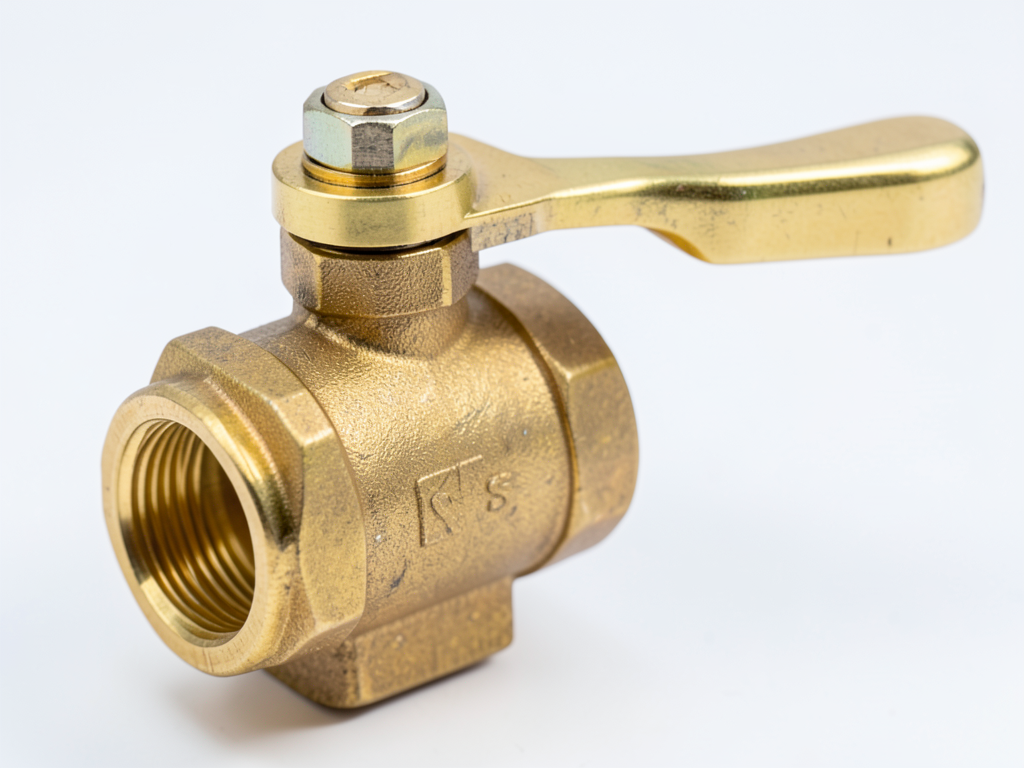
Look for a lever-style ball valve or round handle gate valve. Ball valves are preferred as they’re more reliable and easier to operate.
- Test the valve operation
Turn the valve clockwise to shut off water then open a sink faucet to confirm water stops flowing. Test it annually to ensure it hasn’t seized. Emergency Water Shut-Off Service.
- Know your curb stop location
If the indoor valve fails locate your water meter box in the parkway. You’ll need a meter key to operate the curb stop.
Common locations for main water shut-off valves in Northside Riverside homes
Northside Riverside features a mix of mid-century ranch homes and newer stucco developments each with different plumbing layouts. Understanding your home’s construction type helps narrow down the search. Plumbing Riverside.
Mid-century homes (1950s-1970s) often have their main shut-off valve in the front yard near the hose bib typically within 3 feet of where the water line enters the house. These homes were built with slab foundations so the valve is usually accessible from the exterior rather than inside a basement or crawl space.
Newer developments (2000s-present) in areas like Orangecrest and Canyon Crest typically place the main valve in the garage often near the water heater or along the front wall. Some homes have it in a utility closet or laundry room.
Corner lot considerations matter in Northside neighborhoods. If your home sits on a corner the water line may enter from a different side than expected. Always check all exterior walls within 10 feet of the front property line.
Look for these visual indicators: a small round metal cover plate on the exterior wall a lever handle protruding from the wall or a valve box in the ground near the foundation. The valve itself will be a brass fitting typically 3/4″ or 1″ in diameter.
Exterior shut-off locations and the curb stop
Many Northside homes use what plumbers call a “curb stop” as the primary shut-off point. This is the valve located in the water meter box at the street maintained by Riverside Public Utilities. How to find a local plumber in Mission Grove who actually answers the phone.
Finding your water meter box requires locating the concrete or plastic lid in your parkway typically between the sidewalk and street. The box contains your water meter and a valve that Riverside Public Utilities can operate with a special tool.
You’ll need a meter key to operate the curb stop. This T-handle tool is available at hardware stores like Riverside Ace Hardware or online. Never force the valve if it’s stuck as this can damage the water main.
California Plumbing Code Section 604.8 requires that all residential properties have a readily accessible main shut-off valve. If your home lacks one or it’s inaccessible you should have a licensed plumber install a new valve immediately.
Soil conditions in Northside can affect valve accessibility. The area’s clay soil expands and contracts with moisture changes potentially burying valves deeper over time or causing them to seize. Annual testing prevents emergency failures.
Understanding valve types: Ball valve vs. gate valve
Not all shut-off valves function the same way. Knowing which type you have helps you understand its reliability and operation method.
Ball valves feature a lever handle that moves 90 degrees to open or close. When the lever is parallel to the pipe water flows. When perpendicular water is off. These valves are preferred for main shut-offs because they’re more reliable and provide a clear visual indicator of their position.
Gate valves use a round handle that requires multiple turns to operate. They work by raising or lowering a metal gate inside the valve body. While common in older homes gate valves are prone to seizing if not operated regularly and may fail to fully close when needed most.
Pressure regulator valves (PRVs) often sit near the main shut-off in Northside homes especially those in higher elevations like parts of Canyon Crest. These devices reduce high incoming water pressure to protect your plumbing. The PRV has its own shut-off but this should only be used by professionals.
Visual comparison: Ball valves have a single lever that moves 90 degrees while gate valves have a round handle that turns multiple times. Ball valves are typically larger and more robust with a solid brass construction that resists corrosion better than the cast iron often found in gate valves.
Testing your main shut-off valve: Annual maintenance steps
Finding your valve is only half the battle. Testing it annually ensures it will work when you need it most. Many homeowners discover their valve is stuck only during an actual emergency. Why homeowners in Orangecrest are upgrading to tankless water heaters this year.
Annual testing procedure: Turn the valve clockwise until it stops then open a sink faucet to confirm water flow stops. If water continues flowing the valve isn’t fully closing. Turn it counterclockwise to restore water service.
Listen for proper operation: When closing a ball valve you should hear a distinct click as the lever reaches the closed position. Gate valves make no sound but should feel smooth as you turn the handle.
Check for leaks around the valve stem after testing. A small drip indicates worn packing that needs replacement. This is a simple fix for a plumber but can waste significant water over time.
Hard water considerations: Northside’s water supply contains minerals that can cause valves to seize over time. If your valve feels gritty or difficult to turn it may need lubrication or replacement. Never use oil or grease on plumbing valves.
Document your valve location with photos and notes. In an emergency you or a family member may need to find it quickly. Consider marking the location with a small removable tag or sticker.
What to do when your valve won’t operate
A stuck valve during an active leak creates a dangerous situation. Understanding your options prevents panic and further damage.
First response steps: If the valve won’t turn immediately locate your water meter box and use a meter key to shut off the curb stop. This stops all water to your property within seconds.
Never force a stuck valve. Excessive pressure can break the valve stem or damage the water line creating a worse problem. If the valve feels stuck stop and call a professional.
Corrosion indicators: White green or blue deposits around the valve indicate mineral buildup or galvanic corrosion. These valves often seize and should be replaced preventively.
Replacement timing: If your valve is over 20 years old shows signs of corrosion or feels difficult to operate replacement is the safest option. Modern ball valves provide better reliability and easier operation.
Professional assessment: A licensed plumber can test your valve pressure check for proper function and recommend replacement if needed. This service typically takes less than an hour and provides peace of mind.
Northside Riverside specific considerations
Northside’s unique characteristics affect plumbing systems and shut-off valve accessibility. Understanding these factors helps you prepare for local conditions.
Soil composition: The area’s clay soil expands significantly when wet potentially shifting foundations and affecting pipe connections. This movement can stress shut-off valves over time making annual testing crucial.
Elevation variations: Northside includes areas ranging from near-river elevation to the foothills of Box Springs Mountain. Higher elevations may experience higher water pressure requiring properly functioning PRVs and accessible shut-off valves.
Historic districts: Some Northside neighborhoods have historic designations that may affect plumbing modifications. If you need to relocate or replace a valve in a historic home check with the city’s Historic Preservation Office first.
Water quality factors: Riverside’s water supply contains moderate hardness levels contributing to mineral buildup in valves and pipes. Homes with older galvanized steel plumbing may experience more valve sticking than those with copper or PEX systems.
Emergency response times: Northside’s proximity to downtown Riverside means emergency services can reach most locations within 15-20 minutes. However during a major water leak every minute counts making your ability to shut off water yourself critical.
Emergency shut-off procedures during a plumbing disaster
When water is actively leaking knowing the exact steps prevents panic and minimizes damage. Practice these steps so they become automatic.
Immediate actions: If you see water spraying or pooling immediately locate and operate your main shut-off valve. If it’s stuck go directly to the water meter box and use your meter key.
Shut-off sequence: Ball valve – turn lever 90 degrees clockwise. Gate valve – turn handle clockwise until it stops. Water meter valve – use meter key turn clockwise until resistance is felt.
After shutting off water: Open all faucets to drain remaining water in pipes reducing pressure on damaged areas. This prevents additional leaks when you restore water service.
Document the damage: Take photos of the leak source and affected areas before cleanup. This documentation helps with insurance claims and helps plumbers diagnose the problem accurately.
When to call for help: If you cannot locate your valve it’s stuck or you’re dealing with a major leak call (951) 309-5599 immediately. Our emergency response team serves Northside Riverside with 24/7 availability.
Professional installation and replacement services
Sometimes DIY isn’t enough. Professional valve installation ensures proper function and code compliance for years to come.
Installation process: A licensed plumber will assess your current setup recommend the appropriate valve type and install it with proper fittings and support. This typically takes 1-2 hours for a straightforward replacement.
Code compliance: California Plumbing Code requires accessible main shut-off valves within 3 feet of the water service entrance. Professional installation ensures your valve meets all local requirements.
Permit requirements: Simple valve replacements usually don’t require permits but major relocations or new installations might. Your plumber can determine if permits are needed for your specific situation.
Warranty considerations: Professional installation typically includes a warranty on both parts and labor. Quality ball valves often carry 10-25 year warranties when properly installed.
Cost factors: Valve replacement costs vary based on accessibility valve type and any necessary repiping. Most Northside homes can be serviced for $250-450 a small price for preventing potential disaster damage.
Frequently Asked Questions
Where is the main water shut-off valve typically located in Riverside homes?
Most Riverside homes have the main shut-off valve in the front yard near the hose bib in the garage near the water heater or in a utility closet. Northside homes built after 2000 typically have valves in the garage.. Read more about Does your Riverside property actually need a sump pump installed?.
How do I know if my shut-off valve is a ball valve or gate valve?
Ball valves have a lever handle that moves 90 degrees to operate. Gate valves have a round handle that turns multiple times. Ball valves are preferred for main shut-offs due to better reliability.
What should I do if my shut-off valve is stuck?
Never force a stuck valve as this can cause damage. Instead locate your water meter box and use a meter key to shut off the curb stop. Call a professional plumber for valve replacement.
How often should I test my main water shut-off valve?
Test your valve annually by turning it off and on again. This prevents seizing and ensures it will work during an emergency. Mark your calendar to test it each year.
Can I operate the water meter valve myself?
Yes you can use a meter key to operate the curb stop in emergencies. However this valve is technically property of Riverside Public Utilities so avoid using it for routine shut-offs.
What tools do I need to shut off my water in an emergency?
You need either access to your main shut-off valve handle or a meter key for the curb stop. Meter keys are available at hardware stores and cost around $15-25.
Take action before disaster strikes
Don’t wait for a plumbing emergency to discover your shut-off valve doesn’t work. Take 15 minutes today to locate your valve test its operation and ensure you have the right tools on hand.
Call (951) 309-5599 today to schedule a valve inspection. Our experienced plumbers can test your current valve recommend replacements if needed and ensure your home is protected against water damage. We serve all Northside Riverside neighborhoods with fast reliable service.
Remember: finding and testing your main water shut-off valve is one of the most important homeowner maintenance tasks you can perform. It’s simple inexpensive and could save you thousands in water damage repairs. Take action now before you need it most.
Pick up the phone and call (951) 309-5599 before the next storm hits. Our team is ready to help you protect your home with proper valve installation and testing services throughout Northside Riverside. For more information, visit California Plumbing Code Section 604.8.
You may also find this helpful. Are smart leak detectors worth the investment for Casa Blanca homeowners?.
{
“@context”: “https://schema.org”,
“@type”: “BlogPosting”,
“headline”: “Finding and testing your main water shut-off valve before a Northside plumbing disaster”,
“description”: “Learn where your main water shut-off valve is located in Northside Riverside homes and how to test it before an emergency strikes. Includes local plumbing tips.”,
“wordCount”: 2266,
“datePublished”: “2026-03-09T15:16:00.000Z”,
“dateModified”: “2026-03-09T15:16:00.000Z”,
“inLanguage”: “en-US”,
“mainEntityOfPage”: {
“@type”: “WebPage”,
“@id”: “https://evergreenplumbingriverside.com”
},
“publisher”: {
“@type”: “LocalBusiness”,
“name”: “Evergreen Plumbing Riverside”,
“url”: “https://evergreenplumbingriverside.com”
},
“author”: {
“@type”: “Organization”,
“name”: “Evergreen Plumbing Riverside”,
“url”: “https://evergreenplumbingriverside.com”
},
“image”: {
“@type”: “ImageObject”,
“url”: “https://evergreenplumbingriverside.com/wp-content/uploads/2026/03/finding-and-testing-your-main-water-shut-off-valve-1.png”
}
}
{
“@context”: “https://schema.org”,
“@type”: “Plumber”,
“name”: “Evergreen Plumbing Riverside”,
“url”: “https://evergreenplumbingriverside.com”,
“address”: {
“@type”: “PostalAddress”,
“addressLocality”: “Riverside”
},
“areaServed”: {
“@type”: “City”,
“name”: “Riverside”
}
}
{
“@context”: “https://schema.org”,
“@type”: “FAQPage”,
“mainEntity”: [
{
“@type”: “Question”,
“name”: “Where is the main water shut-off valve typically located in Riverside homes?”,
“acceptedAnswer”: {
“@type”: “Answer”,
“text”: “Most Riverside homes have the main shut-off valve in the front yard near the hose bib in the garage near the water heater or in a utility closet. Northside homes built after 2000 typically have valves in the garage.”
}
},
{
“@type”: “Question”,
“name”: “How do I know if my shut-off valve is a ball valve or gate valve?”,
“acceptedAnswer”: {
“@type”: “Answer”,
“text”: “Ball valves have a lever handle that moves 90 degrees to operate. Gate valves have a round handle that turns multiple times. Ball valves are preferred for main shut-offs due to better reliability.”
}
},
{
“@type”: “Question”,
“name”: “What should I do if my shut-off valve is stuck?”,
“acceptedAnswer”: {
“@type”: “Answer”,
“text”: “Never force a stuck valve as this can cause damage. Instead locate your water meter box and use a meter key to shut off the curb stop. Call a professional plumber for valve replacement.”
}
},
{
“@type”: “Question”,
“name”: “How often should I test my main water shut-off valve?”,
“acceptedAnswer”: {
“@type”: “Answer”,
“text”: “Test your valve annually by turning it off and on again. This prevents seizing and ensures it will work during an emergency. Mark your calendar to test it each year.”
}
},
{
“@type”: “Question”,
“name”: “Can I operate the water meter valve myself?”,
“acceptedAnswer”: {
“@type”: “Answer”,
“text”: “Yes you can use a meter key to operate the curb stop in emergencies. However this valve is technically property of Riverside Public Utilities so avoid using it for routine shut-offs.”
}
},
{
“@type”: “Question”,
“name”: “What tools do I need to shut off my water in an emergency?”,
“acceptedAnswer”: {
“@type”: “Answer”,
“text”: “You need either access to your main shut-off valve handle or a meter key for the curb stop. Meter keys are available at hardware stores and cost around $15-25.”
}
}
]
}
{
“@context”: “https://schema.org”,
“@type”: “HowTo”,
“name”: “How to locate and test your main water shut-off valve”,
“step”: [
{
“@type”: “HowToStep”,
“position”: 1,
“name”: “Find the valve location”,
“text”: “Check common spots like the garage near the water heater or along the front exterior wall. Northside homes built after 2000 typically have valves near the front hose bib. The most common plumbing emergencies in La Sierra and how to solve them.”
},
{
“@type”: “HowToStep”,
“position”: 2,
“name”: “Identify the valve type”,
“text”: “Look for a lever-style ball valve or round handle gate valve. Ball valves are preferred as they’re more reliable and easier to operate.”
},
{
“@type”: “HowToStep”,
“position”: 3,
“name”: “Test the valve operation”,
“text”: “Turn the valve clockwise to shut off water then open a sink faucet to confirm water stops flowing. Test it annually to ensure it hasn’t seized. Emergency Water Shut-Off Service.”
},
{
“@type”: “HowToStep”,
“position”: 4,
“name”: “Know your curb stop location”,
“text”: “If the indoor valve fails locate your water meter box in the parkway. You’ll need a meter key to operate the curb stop.”
}
],
“image”: “https://evergreenplumbingriverside.com/wp-content/uploads/2026/03/finding-and-testing-your-main-water-shut-off-valve-1.png”
}
{
“@context”: “https://schema.org”,
“@type”: “BreadcrumbList”,
“itemListElement”: [
{
“@type”: “ListItem”,
“position”: 1,
“name”: “Home”,
“item”: “https://evergreenplumbingriverside.com”
},
{
“@type”: “ListItem”,
“position”: 2,
“name”: “Blog”,
“item”: “https://evergreenplumbingriverside.com/blog”
},
{
“@type”: “ListItem”,
“position”: 3,
“name”: “Finding and testing your main water shut-off valve before a Northside plumbing disaster”
}
]
}
{
“@context”: “https://schema.org”,
“@type”: “Service”,
“serviceType”: “Plumbing”,
“provider”: {
“@type”: “LocalBusiness”,
“name”: “Evergreen Plumbing Riverside”,
“url”: “https://evergreenplumbingriverside.com”
},
“areaServed”: {
“@type”: “City”,
“name”: “Riverside”
},
“description”: “Learn where your main water shut-off valve is located in Northside Riverside homes and how to test it before an emergency strikes. Includes local plumbing tips.”
}