Can a greywater recycling system actually save money on your Riverside water bill?
Yes. A properly installed greywater system can reduce your Riverside water bill by 30-50% annually. With California’s ongoing drought conditions and Riverside Public Utilities’ tiered pricing structure, homeowners are finding that recycling shower and laundry water for irrigation pays for itself within 3-5 years. The Inland Empire’s hot summers and clay-heavy soils make greywater particularly effective for maintaining landscapes without straining the municipal water supply. Why homeowners in Orangecrest are upgrading to tankless water heaters this year.
Riverside’s water rates have increased by 8% in 2026, making water conservation more critical than ever. A typical household uses 40% of its water on outdoor irrigation. By redirecting gently used water from showers, bathroom sinks, and washing machines to your garden, you can cut that outdoor usage by up to 80% while keeping your plants healthy. Emergency Water Shut-Off Service.
Understanding greywater: What it is and what it isn’t
Greywater is gently used water from bathroom sinks, showers, bathtubs, and washing machines. It does not include water from toilets, kitchen sinks, or dishwashers, which contain food particles and grease. The key distinction is that greywater contains minimal contaminants and can be safely reused for subsurface irrigation when properly managed.. Read more about Understanding why your Riverside water bill suddenly skyrocketed.
Greywater differs from rainwater harvesting in that it’s produced daily regardless of weather conditions. While rainwater systems depend on seasonal precipitation, greywater systems provide consistent water savings year-round. This reliability makes them particularly valuable in Riverside’s Mediterranean climate, where summer months often bring zero rainfall.
The laundry-to-landscape system: Your simplest starting point
The laundry-to-landscape (L2L) system is the most accessible greywater solution for Riverside homeowners. Under California Plumbing Code Chapter 16A, this system requires no permit if you follow specific guidelines. It diverts washing machine discharge through a diverter valve to either the sewer or your landscape, depending on your needs. Trenchless sewer repair options for historic homes in Victoria Park.
Installation involves connecting a three-way valve to your washing machine’s drain hose, running distribution pipes to mulch basins around trees and shrubs, and installing an air gap to prevent backflow. The system relies on gravity for most setups, though some configurations may require a small pump. L2L systems typically cost $500-1,500 for DIY installation or $1,500-3,000 for professional installation.
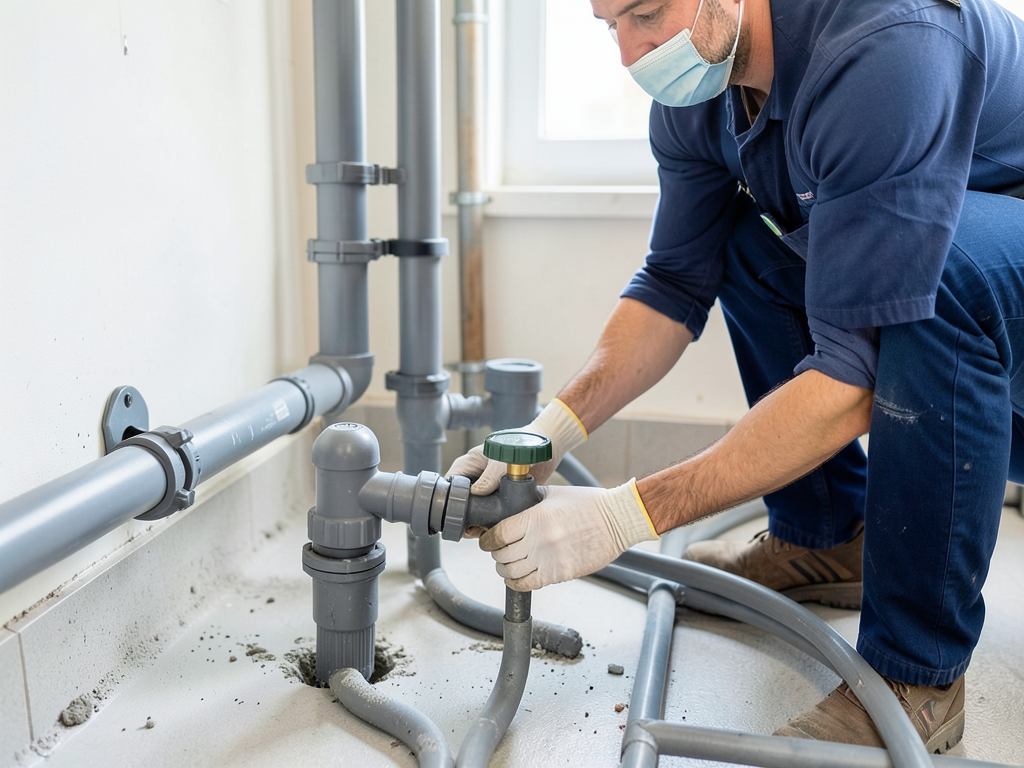
Diagram showing laundry-to-landscape system components including washing machine, three-way valve, distribution pipes, and mulch basins.
Advanced systems: Branched drain and pumped options
For larger properties or more complex irrigation needs, branched drain systems offer expanded capabilities. These systems use a series of gravity-fed pipes that split into multiple outlets, allowing you to water several areas simultaneously. They require careful pipe sizing and slope calculations to ensure even distribution without clogging.
Pumped systems become necessary when your irrigation area sits uphill from your water source or when you need to distribute water across significant distances. These systems include a surge tank to handle flow variations and a pump controlled by a timer or moisture sensor. While more expensive upfront ($3,000-8,000), they provide greater flexibility in system design and can handle higher volumes of greywater.
Key components of any greywater system
- Diverter valve: Allows switching between landscape irrigation and sewer disposal
- Distribution plumbing: Typically 1-inch PVC or flexible polyethylene pipe
- Mulch basins: Shallow depressions filled with wood chips that filter water and prevent pooling
- Surge tank: Optional component that stores excess water during peak usage periods
- Backflow prevention: Required by California code to protect the potable water supply
Riverside compliance: Permits and California Plumbing Codes
California’s Title 24, Part 5 establishes greywater standards that Riverside County follows. For simple laundry-to-landscape systems, no permit is required if you use biodegradable, sodium-free detergents and avoid cross-connections with the potable water system. However, any system that includes fixtures beyond the washing machine or requires new plumbing connections needs a permit from the Riverside County Department of Environmental Health. The most common plumbing emergencies in La Sierra and how to solve them.
California Plumbing Code Chapter 16A mandates specific requirements for all greywater systems. These include minimum pipe diameters (1 inch for distribution), maximum flow rates, and subsurface discharge requirements. All outlets must be at least 2 inches below the surface and covered with at least 3 inches of mulch or soil. The code also requires clearly labeled pipes and valves to prevent accidental cross-connections.
Soil considerations for Riverside installations
Riverside’s clay-heavy soils present unique challenges for greywater systems. The Inland Empire’s expansive clay can become waterlogged if greywater is applied too quickly, potentially damaging plant roots. Successful systems account for these soil characteristics by using wider mulch basins and incorporating organic matter to improve drainage.
Soil testing before installation helps determine the appropriate system design. Sandy loam soils can handle higher application rates than pure clay, which may require additional drainage features. The pH of Riverside’s soils, typically ranging from 6.5 to 7.5, generally works well with most greywater-compatible plants, though regular monitoring ensures optimal conditions.
Savings and rebates: Riverside Public Utilities benefits
Riverside Public Utilities offers several incentives for water conservation. While specific greywater rebates vary by year, the agency consistently provides rebates for water-efficient appliances and irrigation equipment. A greywater system can qualify for these programs when installed with other water-saving measures.
The Western Municipal Water District, which serves parts of Riverside County, occasionally offers direct greywater system rebates. In 2026, these rebates can cover up to 25% of installation costs, with maximum amounts typically ranging from $500-1,500 depending on system complexity. These financial incentives significantly reduce the payback period for your investment.
Beyond rebates, the primary savings come from reduced water bills. Riverside’s tiered rate structure charges higher rates for increased usage, so greywater systems help you stay in lower tiers. A family of four using a basic L2L system can save $300-600 annually on their water bill, while more comprehensive systems can save $800-1,500 per year.
Plant selection: What grows best with greywater
Not all plants thrive on greywater. The soap content and pH can affect sensitive species, so choosing appropriate plants is crucial. Riverside’s climate allows for a wide variety of drought-tolerant species that perform exceptionally well with greywater irrigation.
Fruit trees, including citrus, stone fruits, and avocados, respond particularly well to greywater. Their deep root systems can access the nutrients in greywater while tolerating the occasional fluctuations in pH. Native California plants like manzanita, ceanothus, and California lilac also thrive, as do Mediterranean herbs such as rosemary, lavender, and sage.
Avoid using greywater on root vegetables, leafy greens, or any plants where the edible portion contacts the soil. Instead, focus on ornamental plants, fruit trees, and shrubs. The Riverside County Master Gardeners program provides specific guidance on greywater-compatible plants for our local conditions. How to find a local plumber in Mission Grove who actually answers the phone.
Maintenance requirements for Inland Empire conditions
Riverside’s hot summers and occasional winter rains create specific maintenance needs for greywater systems. During peak summer months, mulch basins may need replenishment as decomposition accelerates. The Inland Empire’s temperature extremes can also affect system components, requiring annual inspections of pipes and valves.
Filter maintenance depends on your system type. Simple L2L systems require minimal maintenance beyond checking for clogs and ensuring proper mulch depth. More complex systems with filters or pumps need quarterly cleaning and inspection. The key is establishing a routine that prevents small issues from becoming major problems.
Winter maintenance in Riverside is relatively minimal due to our mild climate, but systems should be checked after heavy rains to ensure proper drainage. The occasional winter freeze warning that affects the Inland Empire may require temporary system shutdown, though this is rare in our area.
Cost breakdown: What to expect in 2026
Greywater system costs vary significantly based on complexity and property characteristics. Here’s what Riverside homeowners can expect in 2026:
| System Type | Installation Cost | Annual Water Savings | Payback Period |
|---|---|---|---|
| Laundry-to-Landscape (DIY) | $500-1,500 | $200-400 | 2-4 years |
| Laundry-to-Landscape (Professional) | $1,500-3,000 | $200-400 | 3-5 years |
| Branched Drain System | $2,000-5,000 | $400-800 | 3-6 years |
| Pumped System | $3,000-8,000 | $600-1,500 | 4-8 years |
These costs assume typical Riverside conditions and do not include potential rebates or tax incentives that could reduce your net investment. Property-specific factors like distance to irrigation areas, soil conditions, and existing plumbing configurations can affect final costs.
Professional vs. DIY installation: Making the right choice
Simple laundry-to-landscape systems are well-suited for DIY installation if you’re comfortable with basic plumbing. The process involves cutting and connecting pipes, installing a diverter valve, and creating mulch basins. Many Riverside homeowners successfully complete these projects over a weekend, saving significant installation costs.
However, more complex systems benefit from professional installation. Licensed plumbers understand local codes, can navigate permit requirements, and ensure proper system design for your specific property. They also provide warranties and can handle unexpected challenges like difficult access or problematic soil conditions.
The decision often comes down to system complexity and your comfort level with plumbing work. If your system requires permits, involves multiple fixtures, or needs to overcome significant elevation changes, professional installation provides peace of mind and ensures code compliance.
Environmental impact beyond water savings
Greywater systems offer environmental benefits that extend beyond reduced water consumption. By keeping water on-site rather than sending it to treatment plants, you reduce the energy required for water processing and distribution. This energy savings translates to lower carbon emissions and reduced strain on municipal infrastructure.
The organic matter in greywater can improve soil structure over time, particularly in Riverside’s clay soils. This improvement enhances water retention and reduces the need for chemical fertilizers. Additionally, by maintaining healthy landscapes during drought conditions, greywater systems support local biodiversity and help mitigate urban heat island effects.
Greywater use also reduces the volume of wastewater entering Riverside’s treatment system, extending the life of existing infrastructure and reducing the need for expensive expansions. This community benefit becomes increasingly important as Riverside’s population continues to grow.
Common mistakes to avoid
Several pitfalls can undermine your greywater system’s effectiveness. Using the wrong detergents is perhaps the most common mistake. Products containing boron, sodium, or bleach can harm plants and degrade soil quality over time. Always choose products labeled as greywater-safe or use simple, biodegradable soaps.
Another frequent error is improper mulch basin design. Basins that are too shallow can lead to surface pooling, while those that are too small may not adequately distribute water. The Inland Empire’s clay soils require careful attention to basin size and depth to prevent waterlogging.
Neglecting to install a diverter valve can also cause problems. This valve allows you to switch to sewer discharge when using bleach or other harmful products, or during periods when your landscape doesn’t need additional water. Without this flexibility, you may damage your plants or violate local codes.
Getting started: Your first steps
Begin by assessing your property’s suitability for a greywater system. Consider your landscape layout, soil type, and water usage patterns. Riverside’s flat terrain in many areas makes gravity-fed systems feasible, but some neighborhoods with significant elevation changes may require pumped systems.
Next, determine which fixtures you want to include. Laundry machines are the most common starting point, but bathroom sinks and showers can also be incorporated. The California Plumbing Code provides specific guidelines for which fixtures can legally supply greywater in different system configurations.
Finally, research local rebates and incentives. Riverside Public Utilities and Western Municipal Water District periodically update their conservation programs, and greywater systems may qualify for financial assistance that significantly reduces your investment.
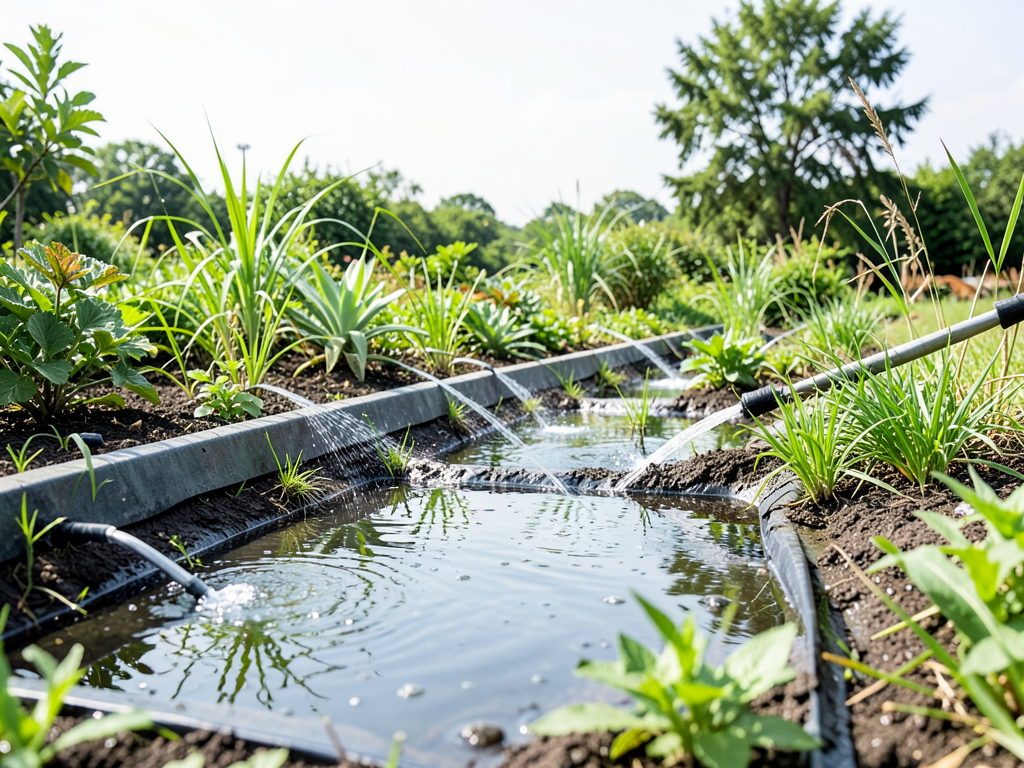
Photo showing a professional greywater system installation with distribution pipes and mulch basins around established landscaping.
Frequently Asked Questions
Is greywater safe for my vegetable garden?
No. Greywater should never be used on root vegetables, leafy greens, or any plants where the edible portion contacts the soil. It’s safe for fruit trees, ornamental plants, and shrubs, but keep edible plants separate from greywater irrigation.
Do I need a permit for a laundry-to-landscape system in Riverside?
No permit is required for simple laundry-to-landscape systems that follow California Plumbing Code Chapter 16A guidelines. However, if you want to include other fixtures or need to modify existing plumbing, you’ll need a permit from Riverside County.
How much maintenance does a greywater system require?
Basic systems require minimal maintenance: check for clogs quarterly, replenish mulch annually, and inspect pipes after heavy rains. More complex systems with filters or pumps need quarterly cleaning and annual professional inspection.
Can greywater systems work during Riverside’s occasional winter freezes?
Riverside rarely experiences freezing temperatures severe enough to damage greywater systems. However, during unusual cold snaps, you may want to temporarily shut down the system and drain pipes to prevent freezing in exposed areas.
What’s the best time of year to install a greywater system?
Spring or fall installation is ideal in Riverside. These seasons offer moderate temperatures for working outdoors and allow plants to establish before summer heat or winter rains. Avoid installation during extreme heat waves or heavy rain periods.
Ready to save water and money?
A greywater system represents a significant investment in your property and the environment. With Riverside’s increasing water costs and ongoing drought conditions, the timing has never been better to consider this water-saving technology. Whether you choose a simple laundry-to-landscape system or a comprehensive multi-fixture setup, the potential savings and environmental benefits make it worth exploring.
The first step is understanding your specific situation. Property layout, soil conditions, and water usage patterns all influence which system will work best for you. Professional assessment can help you avoid costly mistakes and ensure your system meets all local codes and requirements.
Don’t let another year of high water bills pass by. Call (951) 309-5599 today to schedule your free greywater consultation. Our licensed plumbers will evaluate your property, explain your options, and help you choose the system that best fits your needs and budget. We’ll handle all permitting requirements and ensure your installation meets California’s strict greywater standards.
Pick up the phone and call (951) 309-5599 before the next water rate increase hits. Your landscape will thank you, your wallet will thank you, and our community’s water future will benefit from your decision to invest in sustainable water use.
Photo showing greywater-compatible plants thriving with recycled water irrigation in a Riverside landscape.
Additional Resources
For more information about greywater systems and water conservation in Riverside, visit these authoritative sources:
- EPA WaterSense Program – Federal guidelines for water-efficient products and practices
- California State Water Resources Control Board – State regulations and conservation programs
- Riverside Public Utilities – Local water rates, rebates, and conservation initiatives
These resources provide current information about water conservation programs, rebates, and regulatory requirements specific to Riverside and California.
You may also find this helpful. Signs your septic tank is reaching its limit in the Woodcrest area.
{
“@context”: “https://schema.org”,
“@type”: “BlogPosting”,
“headline”: “Can a greywater recycling system actually save money on your Riverside water bill?”,
“description”: “Discover how greywater recycling can cut your Riverside water bill by 30-50%. Learn local rebates, installation costs, and California code compliance for 2026.”,
“wordCount”: 2432,
“datePublished”: “2026-05-07T10:32:00.000Z”,
“dateModified”: “2026-05-07T10:32:00.000Z”,
“inLanguage”: “en-US”,
“mainEntityOfPage”: {
“@type”: “WebPage”,
“@id”: “https://evergreenplumbingriverside.com”
},
“publisher”: {
“@type”: “LocalBusiness”,
“name”: “Evergreen Plumbing Riverside”,
“url”: “https://evergreenplumbingriverside.com”
},
“author”: {
“@type”: “Organization”,
“name”: “Evergreen Plumbing Riverside”,
“url”: “https://evergreenplumbingriverside.com”
},
“image”: {
“@type”: “ImageObject”,
“url”: “https://evergreenplumbingriverside.com/wp-content/uploads/2026/03/can-a-greywater-recycling-system-actually-save-mon-1.png”
}
}
{
“@context”: “https://schema.org”,
“@type”: “Plumber”,
“name”: “Evergreen Plumbing Riverside”,
“url”: “https://evergreenplumbingriverside.com”,
“address”: {
“@type”: “PostalAddress”,
“addressLocality”: “Riverside”
},
“areaServed”: {
“@type”: “City”,
“name”: “Riverside”
}
}
{
“@context”: “https://schema.org”,
“@type”: “FAQPage”,
“mainEntity”: [
{
“@type”: “Question”,
“name”: “Is greywater safe for my vegetable garden?”,
“acceptedAnswer”: {
“@type”: “Answer”,
“text”: “No. Greywater should never be used on root vegetables, leafy greens, or any plants where the edible portion contacts the soil. It’s safe for fruit trees, ornamental plants, and shrubs, but keep edible plants separate from greywater irrigation.”
}
},
{
“@type”: “Question”,
“name”: “Do I need a permit for a laundry-to-landscape system in Riverside?”,
“acceptedAnswer”: {
“@type”: “Answer”,
“text”: “No permit is required for simple laundry-to-landscape systems that follow California Plumbing Code Chapter 16A guidelines. However, if you want to include other fixtures or need to modify existing plumbing, you’ll need a permit from Riverside County.”
}
},
{
“@type”: “Question”,
“name”: “How much maintenance does a greywater system require?”,
“acceptedAnswer”: {
“@type”: “Answer”,
“text”: “Basic systems require minimal maintenance: check for clogs quarterly, replenish mulch annually, and inspect pipes after heavy rains. More complex systems with filters or pumps need quarterly cleaning and annual professional inspection.”
}
},
{
“@type”: “Question”,
“name”: “Can greywater systems work during Riverside’s occasional winter freezes?”,
“acceptedAnswer”: {
“@type”: “Answer”,
“text”: “Riverside rarely experiences freezing temperatures severe enough to damage greywater systems. However, during unusual cold snaps, you may want to temporarily shut down the system and drain pipes to prevent freezing in exposed areas.”
}
},
{
“@type”: “Question”,
“name”: “What’s the best time of year to install a greywater system?”,
“acceptedAnswer”: {
“@type”: “Answer”,
“text”: “Spring or fall installation is ideal in Riverside. These seasons offer moderate temperatures for working outdoors and allow plants to establish before summer heat or winter rains. Avoid installation during extreme heat waves or heavy rain periods.”
}
},
{
“@type”: “Question”,
“name”: “Ready to save water and money?”,
“acceptedAnswer”: {
“@type”: “Answer”,
“text”: “A greywater system represents a significant investment in your property and the environment. With Riverside’s increasing water costs and ongoing drought conditions, the timing has never been better to consider this water-saving technology. Whether you choose a simple laundry-to-landscape system or a comprehensive multi-fixture setup, the potential savings and environmental benefits make it worth exploring.”
}
}
]
}
{
“@context”: “https://schema.org”,
“@type”: “BreadcrumbList”,
“itemListElement”: [
{
“@type”: “ListItem”,
“position”: 1,
“name”: “Home”,
“item”: “https://evergreenplumbingriverside.com”
},
{
“@type”: “ListItem”,
“position”: 2,
“name”: “Blog”,
“item”: “https://evergreenplumbingriverside.com/blog”
},
{
“@type”: “ListItem”,
“position”: 3,
“name”: “Can a greywater recycling system actually save money on your Riverside water bill?”
}
]
}
{
“@context”: “https://schema.org”,
“@type”: “Service”,
“serviceType”: “Plumbing”,
“provider”: {
“@type”: “LocalBusiness”,
“name”: “Evergreen Plumbing Riverside”,
“url”: “https://evergreenplumbingriverside.com”
},
“areaServed”: {
“@type”: “City”,
“name”: “Riverside”
},
“description”: “Discover how greywater recycling can cut your Riverside water bill by 30-50%. Learn local rebates, installation costs, and California code compliance for 2026.”
}