Restaurant owners in Downtown Riverside face strict health department regulations and the constant threat of costly sewer backups. Professional grease trap cleaning isn’t optional—it’s your legal and operational safeguard. This guide explains exactly what compliance means in Riverside, how often you need service, and what happens during a professional cleaning. EPA sewer system regulations.
Understanding Riverside’s FOG Program Requirements
The City of Riverside Public Works Department enforces the Fats, Oils, and Grease (FOG) Program under Municipal Code Title 14. Section 14.08.040 requires all food service establishments to install and maintain grease interceptors that prevent FOG from entering the municipal sewer system. Violations trigger fines starting at $250 for first offenses, with repeat violations reaching $1,000 or mandatory business closure. City of Riverside Public Works.
Health inspectors verify compliance through manifest documentation. Every grease trap cleaning must be performed by a licensed waste hauler who provides a signed manifest showing the date, volume removed, and disposal method. These manifests become part of your permanent health inspection record. Missing or incomplete manifests constitute a violation.
Downtown Riverside restaurants face unique challenges due to the area’s aging sewer infrastructure. The historic district’s combined sewer lines, some dating to the 1920s, are particularly vulnerable to FOG-related blockages. When grease accumulates in these lines, it creates pressure that can force sewage back through floor drains and sinks—often during peak business hours. Trenchless sewer repair options for historic homes in Victoria Park.
Indoor Grease Traps vs. Outdoor Grease Interceptors
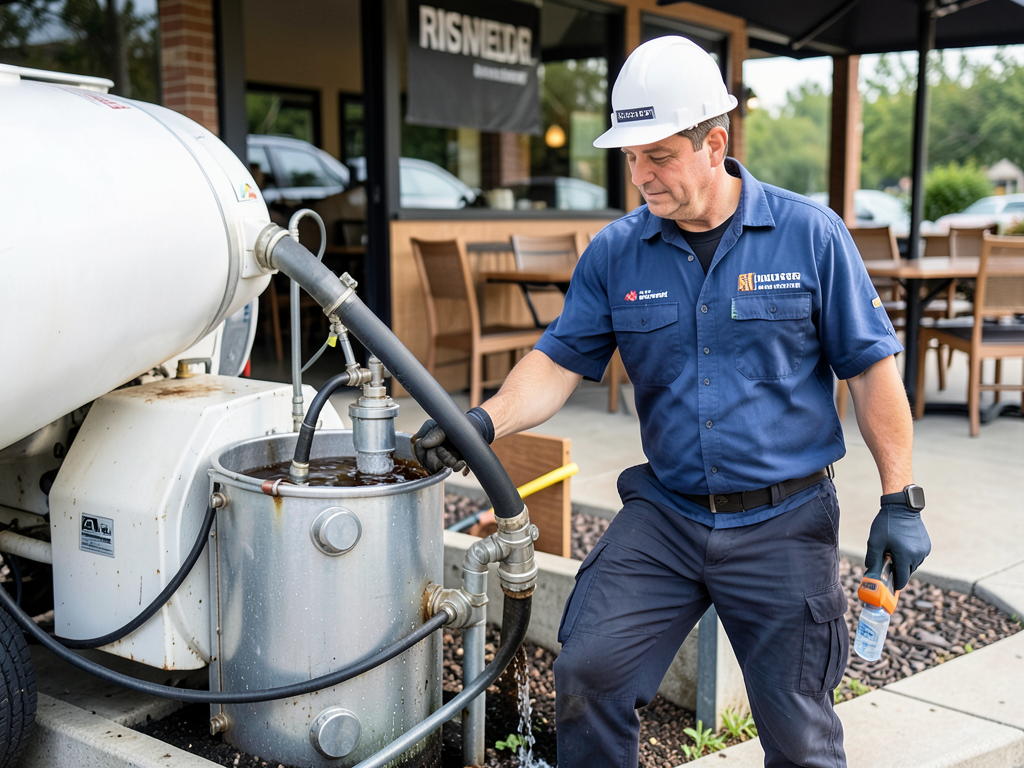
Many Downtown Riverside establishments confuse these two systems. Indoor grease traps are small units (typically 10-100 gallons) located under sinks or inside equipment. They require monthly cleaning for most restaurants. Outdoor grease interceptors are large concrete tanks (500-2,000+ gallons) buried near the building. They need professional pumping every 30-90 days depending on volume. Plumbing Riverside.
The 25% Rule governs cleaning frequency. When the combined level of floating grease and settled solids reaches 25% of the trap’s working depth, cleaning is mandatory. This isn’t a suggestion—it’s a regulatory requirement. Many Riverside restaurants schedule cleaning when their trap reaches 20% to maintain a safety buffer.
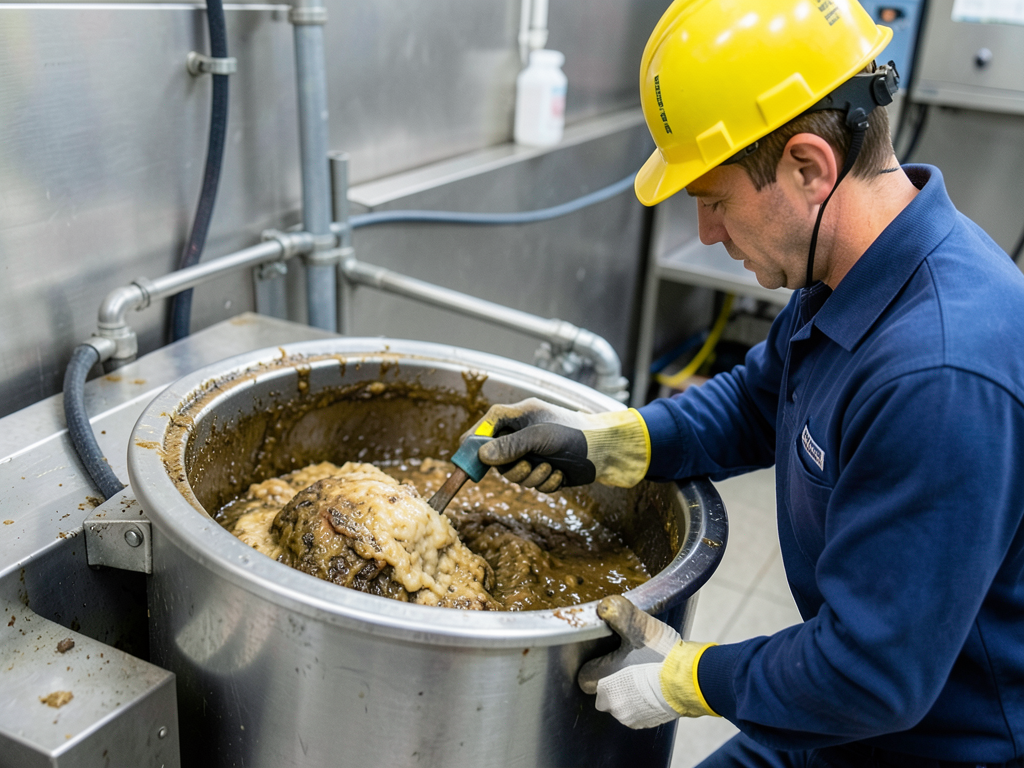
Professional cleaning involves more than just pumping. Technicians remove the entire contents, including the water layer between grease and solids. They scrape baffle walls, inspect inlet and outlet pipes for damage, and check for corrosion in steel components. Some Downtown buildings have traps over 50 years old that require baffle replacement during cleaning. Emergency Water Shut-Off Service.
Hydro-Jetting for Secondary Line Protection
Even with regular trap maintenance, FOG can accumulate in secondary lines between the trap and the main sewer. Riverside’s hard water minerals combine with grease to form stubborn deposits that standard cleaning doesn’t address. Hydro-jetting uses high-pressure water (3,000-4,000 PSI) to scour these lines clean.
Professional hydro-jetting services in Riverside often include camera inspection before and after cleaning. The camera reveals pipe condition, locates any cracks or root intrusion, and documents the cleaning effectiveness. This documentation proves due diligence to health inspectors and can prevent future emergency calls.
Many Downtown restaurants schedule quarterly hydro-jetting alongside their regular trap cleaning. This preventative approach costs less than emergency sewer backups and eliminates the risk of unexpected closures during busy weekend service.
Compliance Documentation and Emergency Response
Professional grease trap services provide more than cleaning—they provide compliance assurance. Every service includes a detailed manifest documenting tank capacity, waste volume, disposal facility, and technician certification. These manifests satisfy Riverside County Department of Environmental Health requirements and protect you during inspections.
Emergency response capability matters in Downtown Riverside. The area’s older buildings often have access challenges—narrow alleys, limited parking, and tight indoor spaces. Professional services use compact vacuum trucks that can navigate these constraints while still providing full-service cleaning.
Weekend and holiday availability prevents business interruption. Many Downtown restaurants operate seven days a week, making standard weekday service schedules impractical. Professional services offering 24/7 emergency response ensure you’re never caught with a full trap during a health inspection.
Cost Factors and Preventative Maintenance
Cleaning costs in Riverside vary based on trap size, accessibility, and waste volume. Small indoor traps (under 100 gallons) typically cost $150-300 per cleaning. Large outdoor interceptors (500+ gallons) range from $400-800 depending on location and waste volume. Emergency calls during off-hours add 50-100% to standard rates.
Preventative maintenance contracts provide cost savings and scheduling priority. These agreements lock in annual rates and guarantee service within specified timeframes. Many Downtown restaurants find contracts reduce their per-service cost by 15-25% compared to one-time calls.
Oil recycling partnerships offer additional benefits. Professional services often coordinate with rendering companies to recycle cooking oil, creating a complete waste management solution. This integration reduces your environmental footprint and may qualify for local sustainability incentives. How to find a local plumber in Mission Grove who actually answers the phone.
Local Service Areas and Zip Codes
Professional grease trap services cover all Downtown Riverside areas including the Mission Inn District (92501), University Avenue corridor (92507), and the Main Street Mall area (92501). Service extends to nearby commercial zones like the Tyler Mall District and La Sierra business corridors.
Specific challenges exist in different areas. The historic Mission District’s older buildings often require specialized equipment for indoor trap access. The University area’s high-volume restaurants need more frequent service due to increased food preparation volume. Professional services adapt their approach based on your specific location and business type.
Frequently Asked Questions
How often should my grease trap be cleaned?
Frequency depends on your trap size and restaurant volume. Small indoor traps need monthly cleaning. Large outdoor interceptors require service every 30-90 days. The 25% Rule is your definitive guide—schedule cleaning when grease and solids reach 25% of tank depth.
What happens if I miss a scheduled cleaning?
Missing cleaning creates multiple risks. FOG can back up into your kitchen, causing health code violations and business closure. You may face fines from both the city and health department. Emergency cleaning costs significantly more than scheduled service, and you risk losing business during peak hours.
Can I clean my own grease trap?
California law requires professional cleaning by licensed waste haulers. DIY cleaning violates municipal codes and creates liability issues. Professional services have proper disposal permits, manifests for documentation, and insurance coverage for accidental damage during cleaning.
What documentation do I need for health inspections?
Maintain manifests from every cleaning for at least two years. These documents prove compliance with the FOG Program. Health inspectors may request manifests during routine visits or investigations of sewer backups in your area.
How do I know if my trap needs emergency service?
Signs include slow drainage, gurgling sounds from drains, foul odors from floor drains, or visible FOG backup in sinks. If you notice any of these issues, stop using affected equipment immediately and call for emergency service. Continuing to operate risks sewage backup and health violations.
- Determine Your Trap Size and Type
Identify whether you have an indoor trap or outdoor interceptor and note its capacity. This determines your cleaning frequency and helps you budget for service.
- Schedule Regular Professional Cleaning
Set up a maintenance schedule based on the 25% Rule or your service provider’s recommendations. Don’t wait until problems occur.
- Maintain Proper Documentation
Keep all manifests organized and accessible. Create a compliance binder that includes trap diagrams, cleaning schedules, and contact information for your service provider.
- Train Staff on FOG Prevention
Educate employees about proper grease disposal, what can and cannot go down drains, and how to recognize early warning signs of trap problems.
- Establish Emergency Contact Procedures
Post emergency service numbers prominently and ensure key staff know who to contact when problems arise. Have a backup plan for temporary kitchen shutdown if needed.
Call (951) 309-5599 today to schedule your grease trap inspection and ensure your Downtown Riverside restaurant stays compliant with all health department requirements. Don’t wait for an emergency to discover your system needs service.
You may also find this helpful. Why Magnolia Center shopping centers should schedule annual hydro jetting for their main lines.
{
“@context”: “https://schema.org”,
“@type”: “BlogPosting”,
“headline”: “Keeping your Downtown Riverside restaurant compliant with professional grease trap cleaning”,
“description”: “Ensure your Riverside restaurant meets health codes with expert grease trap cleaning. Avoid fines, backups, and closures with professional FOG management.”,
“wordCount”: 1308,
“datePublished”: “2026-04-18T07:28:00.000Z”,
“dateModified”: “2026-04-18T07:28:00.000Z”,
“inLanguage”: “en-US”,
“mainEntityOfPage”: {
“@type”: “WebPage”,
“@id”: “https://evergreenplumbingriverside.com”
},
“publisher”: {
“@type”: “LocalBusiness”,
“name”: “Evergreen Plumbing Riverside”,
“url”: “https://evergreenplumbingriverside.com”
},
“author”: {
“@type”: “Organization”,
“name”: “Evergreen Plumbing Riverside”,
“url”: “https://evergreenplumbingriverside.com”
},
“image”: {
“@type”: “ImageObject”,
“url”: “https://evergreenplumbingriverside.com/wp-content/uploads/2026/03/keeping-your-downtown-riverside-restaurant-complia-1.png”
}
}
{
“@context”: “https://schema.org”,
“@type”: “Plumber”,
“name”: “Evergreen Plumbing Riverside”,
“url”: “https://evergreenplumbingriverside.com”,
“address”: {
“@type”: “PostalAddress”,
“addressLocality”: “Riverside”
},
“areaServed”: {
“@type”: “City”,
“name”: “Riverside”
}
}
{
“@context”: “https://schema.org”,
“@type”: “FAQPage”,
“mainEntity”: [
{
“@type”: “Question”,
“name”: “How often should my grease trap be cleaned?”,
“acceptedAnswer”: {
“@type”: “Answer”,
“text”: “Frequency depends on your trap size and restaurant volume. Small indoor traps need monthly cleaning. Large outdoor interceptors require service every 30-90 days. The 25% Rule is your definitive guide—schedule cleaning when grease and solids reach 25% of tank depth.”
}
},
{
“@type”: “Question”,
“name”: “What happens if I miss a scheduled cleaning?”,
“acceptedAnswer”: {
“@type”: “Answer”,
“text”: “Missing cleaning creates multiple risks. FOG can back up into your kitchen, causing health code violations and business closure. You may face fines from both the city and health department. Emergency cleaning costs significantly more than scheduled service, and you risk losing business during peak hours.”
}
},
{
“@type”: “Question”,
“name”: “Can I clean my own grease trap?”,
“acceptedAnswer”: {
“@type”: “Answer”,
“text”: “California law requires professional cleaning by licensed waste haulers. DIY cleaning violates municipal codes and creates liability issues. Professional services have proper disposal permits, manifests for documentation, and insurance coverage for accidental damage during cleaning.”
}
},
{
“@type”: “Question”,
“name”: “What documentation do I need for health inspections?”,
“acceptedAnswer”: {
“@type”: “Answer”,
“text”: “Maintain manifests from every cleaning for at least two years. These documents prove compliance with the FOG Program. Health inspectors may request manifests during routine visits or investigations of sewer backups in your area.”
}
},
{
“@type”: “Question”,
“name”: “How do I know if my trap needs emergency service?”,
“acceptedAnswer”: {
“@type”: “Answer”,
“text”: “Signs include slow drainage, gurgling sounds from drains, foul odors from floor drains, or visible FOG backup in sinks. If you notice any of these issues, stop using affected equipment immediately and call for emergency service. Continuing to operate risks sewage backup and health violations.”
}
}
]
}
{
“@context”: “https://schema.org”,
“@type”: “HowTo”,
“name”: “How to Maintain Grease Trap Compliance”,
“step”: [
{
“@type”: “HowToStep”,
“position”: 1,
“name”: “Determine Your Trap Size and Type”,
“text”: “Identify whether you have an indoor trap or outdoor interceptor and note its capacity. This determines your cleaning frequency and helps you budget for service.”
},
{
“@type”: “HowToStep”,
“position”: 2,
“name”: “Schedule Regular Professional Cleaning”,
“text”: “Set up a maintenance schedule based on the 25% Rule or your service provider’s recommendations. Don’t wait until problems occur.”
},
{
“@type”: “HowToStep”,
“position”: 3,
“name”: “Maintain Proper Documentation”,
“text”: “Keep all manifests organized and accessible. Create a compliance binder that includes trap diagrams, cleaning schedules, and contact information for your service provider.”
},
{
“@type”: “HowToStep”,
“position”: 4,
“name”: “Train Staff on FOG Prevention”,
“text”: “Educate employees about proper grease disposal, what can and cannot go down drains, and how to recognize early warning signs of trap problems.”
},
{
“@type”: “HowToStep”,
“position”: 5,
“name”: “Establish Emergency Contact Procedures”,
“text”: “Post emergency service numbers prominently and ensure key staff know who to contact when problems arise. Have a backup plan for temporary kitchen shutdown if needed.”
}
],
“image”: “https://evergreenplumbingriverside.com/wp-content/uploads/2026/03/keeping-your-downtown-riverside-restaurant-complia-1.png”
}
{
“@context”: “https://schema.org”,
“@type”: “BreadcrumbList”,
“itemListElement”: [
{
“@type”: “ListItem”,
“position”: 1,
“name”: “Home”,
“item”: “https://evergreenplumbingriverside.com”
},
{
“@type”: “ListItem”,
“position”: 2,
“name”: “Blog”,
“item”: “https://evergreenplumbingriverside.com/blog”
},
{
“@type”: “ListItem”,
“position”: 3,
“name”: “Keeping your Downtown Riverside restaurant compliant with professional grease trap cleaning”
}
]
}
{
“@context”: “https://schema.org”,
“@type”: “Service”,
“serviceType”: “Plumbing”,
“provider”: {
“@type”: “LocalBusiness”,
“name”: “Evergreen Plumbing Riverside”,
“url”: “https://evergreenplumbingriverside.com”
},
“areaServed”: {
“@type”: “City”,
“name”: “Riverside”
},
“description”: “Ensure your Riverside restaurant meets health codes with expert grease trap cleaning. Avoid fines, backups, and closures with professional FOG management.”
}