Is solar water heating still a viable option for homeowners in sunny Riverside?
Yes solar water heating remains a smart investment for Riverside homeowners in 2026. With over 270 sunny days annually and rising energy costs the return on investment for a properly installed solar thermal system can be 3 to 5 years in Riverside’s climate. Riverside Public Utilities rebates and incentives.
The Inland Empire’s abundant sunshine combined with California’s energy mandates and local utility rebates makes solar water heating financially attractive. Modern systems integrate seamlessly with existing plumbing and provide reliable hot water even during cloudy periods through smart backup heating elements. How to find a local plumber in Mission Grove who actually answers the phone.
How Riverside’s climate affects solar water heating performance
Riverside’s high desert climate creates ideal conditions for solar thermal collectors. The intense UV radiation and minimal cloud cover allow flat-plate and evacuated tube collectors to operate at peak efficiency most of the year. Plumbing Riverside.
Summer temperatures often exceed 100°F which means solar collectors can preheat water to near boiling before it even reaches your storage tank. This reduces the workload on backup heating elements and extends system life. Emergency Water Shut-Off Service.
Winter nights occasionally drop below freezing but modern closed-loop systems with antifreeze protection prevent damage. The key is proper insulation of all exposed pipes and using freeze-resistant propylene glycol in the heat transfer fluid.
Hard water in Riverside creates mineral scaling on collector surfaces which reduces efficiency by up to 15% over time. Annual descaling maintenance is essential to maintain optimal performance in our area.
Types of solar water heating systems available in Riverside
Active systems use electric pumps to circulate heat transfer fluid between collectors and storage tanks. These work well for most Riverside homes and provide the most consistent performance year-round.
Passive thermosyphon systems rely on natural convection and work best for single-story homes with south-facing roof exposure. They have fewer moving parts but require specific roof configurations.
Flat-plate collectors are the most common choice for Riverside due to their durability and cost-effectiveness. They perform well in our climate and can be mounted on most roof types. The most common plumbing emergencies in La Sierra and how to solve them.
Evacuated tube collectors offer higher efficiency in winter and on cloudy days but cost more upfront. They’re worth considering for homes with limited roof space or those wanting maximum performance.
Integrated collector storage systems combine the collector and storage tank in one unit. These work well for smaller households or as preheaters for existing water heaters.
Riverside Public Utilities rebates and California incentives
Riverside Public Utilities offers rebates up to $1,500 for qualifying solar water heating systems installed by licensed contractors. The exact amount depends on system size and efficiency ratings.
The Federal Investment Tax Credit allows you to deduct 30% of installation costs from your federal taxes through 2032. This applies to both equipment and labor costs for qualifying systems.
California’s Self-Generation Incentive Program provides additional rebates for solar thermal systems paired with battery storage. This helps offset the cost of backup power for your water heating system.
Local building permits are required for all solar water heating installations in Riverside County. The process typically takes 2-3 weeks and includes structural engineering review for roof-mounted systems.
Property Assessed Clean Energy (PACE) financing is available through Riverside County for energy efficiency upgrades including solar water heating. This allows you to finance the system through your property tax bill.
Comparing solar thermal vs heat pump water heaters
| Feature | Solar Thermal | Heat Pump |
|---|---|---|
| Upfront Cost | $4,000 – $8,000 | $1,200 – $3,500 |
| Annual Operating Cost | $50 – $150 | $150 – $300 |
| Lifespan | 15 – 20 years | 10 – 15 years |
| Climate Dependence | High (needs sun) | Low (works in any climate) |
| Rebates Available | Yes (federal + local) | Limited |
| Maintenance Needs | Annual descaling | Minimal |
Solar thermal systems provide free hot water during sunny days but require backup heating for cloudy periods. Heat pumps use electricity but are highly efficient and work regardless of weather conditions.
For Riverside’s climate solar thermal typically offers better long-term savings if you have adequate roof space and sun exposure. The abundant sunshine here means you’ll get more free heating days than in most other parts of the country.
Heat pumps might be better for homes with limited roof space or those wanting a simpler installation process. They also work well as a backup for solar thermal systems.
Installation process and timeline for Riverside homes
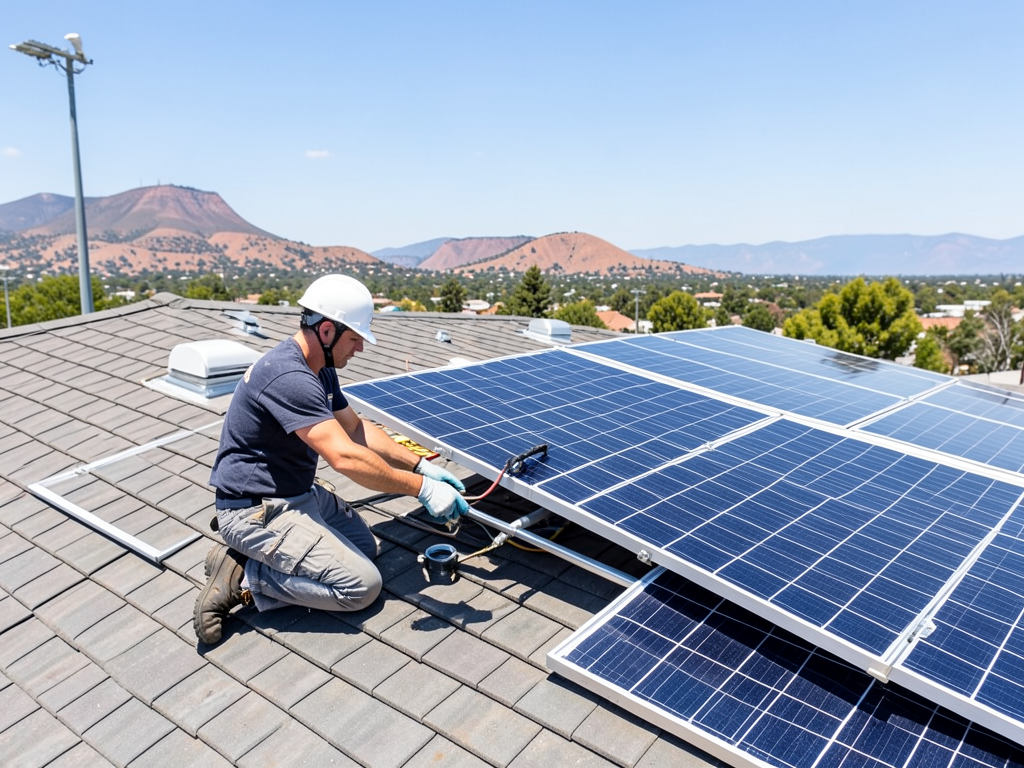
Site assessment takes 1-2 hours and includes evaluating roof orientation, shading, and structural integrity. A south-facing roof with minimal shading is ideal for maximum efficiency.
Permit application submission occurs after the assessment. Riverside County requires specific documentation including structural calculations and electrical diagrams for the proposed system.
Installation typically takes 2-3 days for a standard residential system. This includes mounting collectors, running plumbing lines, installing the storage tank, and connecting the control system. Plumbing Murrieta.
Final inspection by Riverside County building officials ensures the system meets all code requirements. This includes verifying seismic bracing, proper pressure relief valves, and correct electrical connections.
System commissioning involves testing all components, programming the control system, and educating the homeowner on operation and maintenance procedures.
Maintenance requirements for solar water heaters
Annual maintenance includes checking collector glazing for cracks, inspecting plumbing connections for leaks, and testing pressure relief valves. This prevents small issues from becoming major problems.
Descaling the heat exchanger every 1-2 years removes mineral buildup that reduces efficiency. In Riverside’s hard water areas this is especially important for maintaining system performance.
Checking antifreeze levels in closed-loop systems ensures freeze protection during winter months. The fluid should be tested annually and replaced every 3-5 years.
Cleaning collector surfaces removes dust and debris that block sunlight. This is typically needed 2-3 times per year in Riverside due to our dry, dusty conditions.
Monitoring system performance through the controller helps identify problems early. Most modern systems include smartphone apps that alert you to performance issues.
Common problems and troubleshooting
Leaks at collector connections often occur due to thermal expansion and contraction. Using proper sealants and allowing for movement prevents most connection failures.
Pump failures can cause the system to overheat or freeze depending on the season. Most systems include temperature sensors that shut down the pump if problems are detected.
Scaling in heat exchangers reduces heat transfer efficiency. Symptoms include longer heating times and higher backup energy usage. Professional descaling restores performance.
Air trapped in the system causes noise and reduces circulation. Automatic air vents eliminate this problem but should be checked annually for proper operation.
Controller malfunctions can prevent the system from operating correctly. Most issues are resolved by resetting the controller or checking sensor connections.
Cost factors and return on investment
System size depends on household hot water usage. A family of four typically needs 40-80 square feet of collector area and an 80-gallon storage tank.
Roof orientation affects system performance. South-facing roofs at 30-45 degree angles provide optimal year-round performance in Riverside’s latitude.
Plumbing modifications may be needed to integrate the solar system with existing water heaters. This includes adding isolation valves and expansion tanks.
Backup heating options include electric elements, gas-fired tankless units, or your existing water heater. The choice affects both upfront costs and long-term operating expenses.
Local utility rates impact savings calculations. With Riverside Public Utilities’ current rates a properly sized system can save $300-600 annually on water heating costs.
Frequently Asked Questions
Will solar water heating work during Riverside’s occasional cloudy days?
Yes most systems include backup heating elements that automatically activate when solar input is insufficient. You’ll always have hot water regardless of weather conditions.
How long does a solar water heating system last in Riverside’s climate?
With proper maintenance most systems last 15-20 years. The intense sun and occasional freezing nights require quality components and regular maintenance to achieve maximum lifespan.
Can I install solar water heating on my tile roof?
Yes but it requires special mounting hardware to avoid damaging tiles. The installation process takes longer and costs slightly more than asphalt shingle roofs.
Ready to explore solar water heating for your Riverside home?
Solar water heating can significantly reduce your utility bills while providing reliable hot water year-round. The combination of abundant sunshine, local rebates, and federal tax credits makes 2026 an excellent time to invest in this technology.
Evergreen Plumbing Riverside has installed hundreds of solar water heating systems throughout the Inland Empire. Our licensed technicians understand the unique challenges of Riverside’s climate and can design a system that meets your specific needs.
Call (951) 309-5599 today to schedule your free solar water heating assessment. We’ll evaluate your home’s solar potential, calculate potential savings, and explain all available rebates and incentives. Don’t wait until energy prices rise further – take control of your water heating costs now.
Pick up the phone and call (951) 309-5599 before the next sunny day passes. Your future self will thank you for making the switch to solar water heating. For more information, visit U.S. Department of Energy solar water heater guide.
{
“@context”: “https://schema.org”,
“@type”: “BlogPosting”,
“headline”: “Is solar water heating still a viable option for homeowners in sunny Riverside?”,
“description”: “Discover if solar water heating makes sense in Riverside’s climate. Compare costs, rebates, and maintenance for 2026 with local plumbing expertise.”,
“wordCount”: 1516,
“datePublished”: “2026-05-13T13:10:00.000Z”,
“dateModified”: “2026-05-13T13:10:00.000Z”,
“inLanguage”: “en-US”,
“mainEntityOfPage”: {
“@type”: “WebPage”,
“@id”: “https://evergreenplumbingriverside.com”
},
“publisher”: {
“@type”: “LocalBusiness”,
“name”: “Evergreen Plumbing Riverside”,
“url”: “https://evergreenplumbingriverside.com”
},
“author”: {
“@type”: “Organization”,
“name”: “Evergreen Plumbing Riverside”,
“url”: “https://evergreenplumbingriverside.com”
},
“image”: {
“@type”: “ImageObject”,
“url”: “https://evergreenplumbingriverside.com/wp-content/uploads/2026/03/is-solar-water-heating-still-a-viable-option-for-h-1.png”
}
}
{
“@context”: “https://schema.org”,
“@type”: “Plumber”,
“name”: “Evergreen Plumbing Riverside”,
“url”: “https://evergreenplumbingriverside.com”,
“address”: {
“@type”: “PostalAddress”,
“addressLocality”: “Riverside”
},
“areaServed”: {
“@type”: “City”,
“name”: “Riverside”
}
}
{
“@context”: “https://schema.org”,
“@type”: “FAQPage”,
“mainEntity”: [
{
“@type”: “Question”,
“name”: “Will solar water heating work during Riverside’s occasional cloudy days?”,
“acceptedAnswer”: {
“@type”: “Answer”,
“text”: “Yes most systems include backup heating elements that automatically activate when solar input is insufficient. You’ll always have hot water regardless of weather conditions.”
}
},
{
“@type”: “Question”,
“name”: “How long does a solar water heating system last in Riverside’s climate?”,
“acceptedAnswer”: {
“@type”: “Answer”,
“text”: “With proper maintenance most systems last 15-20 years. The intense sun and occasional freezing nights require quality components and regular maintenance to achieve maximum lifespan.”
}
},
{
“@type”: “Question”,
“name”: “Can I install solar water heating on my tile roof?”,
“acceptedAnswer”: {
“@type”: “Answer”,
“text”: “Yes but it requires special mounting hardware to avoid damaging tiles. The installation process takes longer and costs slightly more than asphalt shingle roofs.”
}
},
{
“@type”: “Question”,
“name”: “Ready to explore solar water heating for your Riverside home?”,
“acceptedAnswer”: {
“@type”: “Answer”,
“text”: “Solar water heating can significantly reduce your utility bills while providing reliable hot water year-round. The combination of abundant sunshine, local rebates, and federal tax credits makes 2026 an excellent time to invest in this technology.”
}
}
]
}
{
“@context”: “https://schema.org”,
“@type”: “BreadcrumbList”,
“itemListElement”: [
{
“@type”: “ListItem”,
“position”: 1,
“name”: “Home”,
“item”: “https://evergreenplumbingriverside.com”
},
{
“@type”: “ListItem”,
“position”: 2,
“name”: “Blog”,
“item”: “https://evergreenplumbingriverside.com/blog”
},
{
“@type”: “ListItem”,
“position”: 3,
“name”: “Is solar water heating still a viable option for homeowners in sunny Riverside?”
}
]
}
{
“@context”: “https://schema.org”,
“@type”: “Service”,
“serviceType”: “Plumbing”,
“provider”: {
“@type”: “LocalBusiness”,
“name”: “Evergreen Plumbing Riverside”,
“url”: “https://evergreenplumbingriverside.com”
},
“areaServed”: {
“@type”: “City”,
“name”: “Riverside”
},
“description”: “Discover if solar water heating makes sense in Riverside’s climate. Compare costs, rebates, and maintenance for 2026 with local plumbing expertise.”
}