Industrial plumbing essentials for warehouse managers in Jurupa Valley and Moreno Valley
Warehouse operations in Jurupa Valley and Moreno Valley face unique plumbing challenges that can halt production, damage inventory, and create compliance nightmares. The hard water from the Jurupa Community Services District supply, combined with the heavy water usage demands of industrial facilities, creates a perfect storm for scale buildup, pipe corrosion, and system failures. Understanding these local conditions and implementing a proactive maintenance strategy isn’t just smart business—it’s essential for protecting your bottom line and keeping your operations running smoothly. How to find a local plumber in Mission Grove who actually answers the phone.
Commercial plumbing systems in warehouse environments operate under constant stress from high-volume water usage, chemical processing, and temperature fluctuations. A single burst pipe can flood thousands of square feet of storage space, ruining products and equipment worth tens of thousands of dollars. That’s why warehouse managers need a plumbing partner who understands both the technical requirements and the urgency of industrial operations. The most common plumbing emergencies in La Sierra and how to solve them.
Common industrial plumbing failures in Jurupa Valley warehouses
The most frequent plumbing emergencies we see in Jurupa Valley industrial parks stem from three primary factors: hard water scale, thermal expansion stress, and improper backflow prevention. The Jurupa Valley water supply contains approximately 18-22 grains per gallon of hardness minerals, which translates to significant scale buildup in commercial boilers, water heaters, and high-pressure wash systems within 6-12 months of operation. Emergency Water Shut-Off Service.
Thermal expansion becomes particularly problematic in warehouses with large roof areas that heat up during summer months. The resulting pressure fluctuations can cause weakened joints to fail, especially in older galvanized steel piping systems common in facilities built before 2000. We’ve documented cases where a single failed expansion joint flooded entire warehouse sections during peak afternoon heat.
Backflow prevention failures represent another critical vulnerability. The Riverside County Health Department mandates annual testing of all commercial backflow prevention assemblies, yet many warehouse facilities neglect this requirement until a health inspector discovers the violation. A failed backflow preventer can contaminate your entire water supply, leading to facility shutdowns and potential liability issues. EPA water quality standards.
Preventative maintenance schedules for warehouse plumbing systems
Implementing a structured maintenance program can reduce emergency plumbing calls by up to 70% and extend the life of your equipment by 5-8 years. Here’s a comprehensive maintenance schedule designed specifically for Jurupa Valley warehouse conditions: Plumbing Riverside.
- Monthly inspections
Check for visible leaks, corrosion, and pressure fluctuations. Pay special attention to areas near water heaters, boilers, and chemical storage areas. Document any changes in water pressure or temperature consistency.. Read more about Why your AC is leaking water inside your Moreno Valley home.
- Quarterly backflow testing
Schedule professional backflow prevention assembly testing with a certified ASSE 15 certification holder. Keep documentation on file for health department inspections. Test dates should align with your facility’s operational calendar to minimize disruption. ASSE plumbing certification.
- Bi-annual water heater flushing
Commercial water heaters in Jurupa Valley accumulate sediment at twice the rate of areas with softer water. Flushing removes scale buildup that reduces efficiency by up to 30% and prevents premature element failure in electric units.. Read more about Why your water heater makes a popping or knocking sound in Jurupa Valley.
- Annual pipe inspection and pressure testing
Use camera inspection technology to examine sewer lines and high-pressure water lines. Check for corrosion, root intrusion, and joint separation. Pressure testing identifies weak points before they fail catastrophically. Trenchless sewer repair options for historic homes in Victoria Park.
Specialized services for Jurupa Valley industrial facilities
Warehouse plumbing needs extend far beyond basic leak repair. Our industrial clients in the Mira Loma area require specialized services that address their unique operational challenges. High-capacity water filtration systems remove the minerals that cause scale buildup, protecting expensive equipment like boilers and process cooling systems.
Emergency shut-off systems provide immediate water control during catastrophic failures. These automated systems detect abnormal water flow patterns and can shut off supply within 30 seconds, limiting damage to a few hundred gallons instead of thousands. For warehouses storing electronics, pharmaceuticals, or food products, this rapid response capability is invaluable.
Process water recycling systems reduce municipal water consumption by up to 60% while maintaining the high-quality water standards required for industrial operations. These systems filter and treat process water for reuse in cooling towers, wash systems, and other non-potable applications, providing both environmental benefits and cost savings.
Compliance requirements for warehouse plumbing in Riverside County
Riverside County enforces strict plumbing codes that warehouse managers must understand to maintain compliance. The California Plumbing Code requires commercial facilities to install pressure-reducing valves when municipal supply pressure exceeds 80 PSI. Many Jurupa Valley warehouses experience pressures of 90-110 PSI, making PRV installation mandatory for new construction and major renovations.
Backflow prevention requirements vary by facility type. Food processing warehouses require reduced pressure principle (RP) assemblies, while general storage facilities may use double-check valve assemblies. The Riverside County Department of Environmental Health conducts random inspections and can issue fines up to $500 per day for non-compliance.
ADA compliance extends to warehouse restrooms and break areas. All fixtures must meet current accessibility standards, including proper clearance, grab bar placement, and control height requirements. Violations can result in accessibility lawsuits and mandatory facility modifications.
Emergency response capabilities for warehouse operations
When plumbing emergencies strike warehouse facilities, every minute of downtime costs money. Our emergency response team maintains a 60-minute average response time for Jurupa Valley and Moreno Valley locations. We stock common commercial parts on our service vehicles and maintain relationships with local suppliers for rapid parts delivery.
Our technicians carry advanced diagnostic equipment including thermal imaging cameras that can detect hidden leaks behind walls and under concrete slabs. This technology reduces diagnosis time from hours to minutes, allowing faster repairs and minimizing operational disruption.
We provide 24/7 emergency dispatch with direct technician contact, eliminating the frustrating phone tree experience common with larger service companies. When you call our emergency line, you speak directly with the technician who will respond to your facility, ensuring clear communication and accurate assessment of the situation.
Cost analysis: Preventative maintenance vs emergency repairs
The financial impact of plumbing failures extends far beyond the repair cost. A single burst pipe in a warehouse can cause $10,000-$50,000 in direct damage, plus lost productivity, inventory loss, and potential code violations. Emergency service calls typically cost 2-3 times more than scheduled maintenance due to after-hours rates and expedited parts delivery.
Preventative maintenance contracts for warehouse facilities typically range from $500-$2,000 monthly, depending on facility size and system complexity. This investment can prevent $20,000-$100,000 in potential losses annually while extending equipment life and maintaining compliance with regulatory requirements.
Energy efficiency improvements from properly maintained systems provide additional ROI. Scale buildup in water heaters can increase energy consumption by 25-40%, while leaking fixtures waste thousands of gallons annually. Our maintenance programs include efficiency monitoring to identify these cost-saving opportunities.
Choosing the right industrial plumbing partner
Not all plumbing companies have the expertise and resources to handle industrial facility needs. Look for contractors with specific commercial experience, proper licensing, and insurance coverage for large-scale operations. The C-36 plumbing license is mandatory, but commercial experience and specialized certifications provide additional assurance of competence.
Ask potential contractors about their response time guarantees, parts inventory, and technician training programs. A company that invests in ongoing education and maintains a comprehensive parts inventory can resolve issues faster and more cost-effectively than one that must order parts for every repair.
Request references from other warehouse managers in your area. Local experience with Jurupa Valley water conditions and building codes is invaluable for preventing common problems and ensuring compliance with all regulatory requirements.
Frequently Asked Questions
How often should warehouse plumbing systems be inspected?
Warehouse plumbing systems should undergo monthly visual inspections by facility staff and professional inspections every 6-12 months. High-use areas like restrooms and break rooms require more frequent checks, while main supply lines can be inspected annually unless problems arise.
What causes the most common plumbing failures in warehouses?
The primary causes are hard water scale buildup, thermal expansion stress, and aging infrastructure. Jurupa Valley’s hard water accelerates scale formation in boilers and water heaters, while temperature fluctuations cause pipe joint failures. Facilities over 15 years old often have galvanized steel pipes nearing end-of-life.
Are backflow preventers really necessary for warehouses?
Yes, most warehouses require backflow prevention assemblies by code. Even facilities without chemical processing can contaminate municipal water supplies through cross-connections or pressure fluctuations. Riverside County mandates annual testing and can shut down operations for non-compliance.
How can we reduce water costs in our warehouse operations?
Implement water recycling systems for process water, install high-efficiency fixtures, and maintain water heaters to prevent scale buildup. Process water recycling can reduce consumption by 60%, while efficient fixtures save thousands of gallons annually. Regular maintenance prevents costly leaks and inefficiencies.
What should we do if we discover a major water leak?
Immediately shut off the main water supply using your facility’s emergency shut-off valve. Document the damage with photos for insurance purposes. Contact a commercial plumbing contractor with 24/7 emergency service. Keep the area clear of personnel and electrical equipment until professionals arrive.
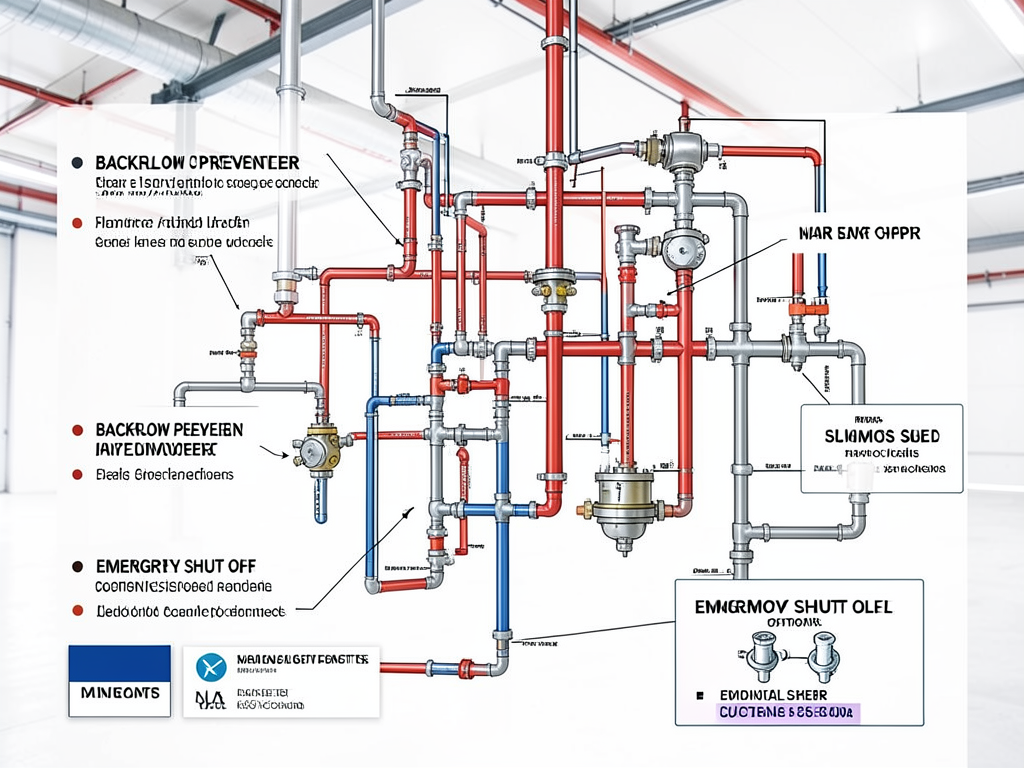
Industrial warehouse plumbing system diagram showing main supply lines, backflow preventers, and emergency shut-off locations.
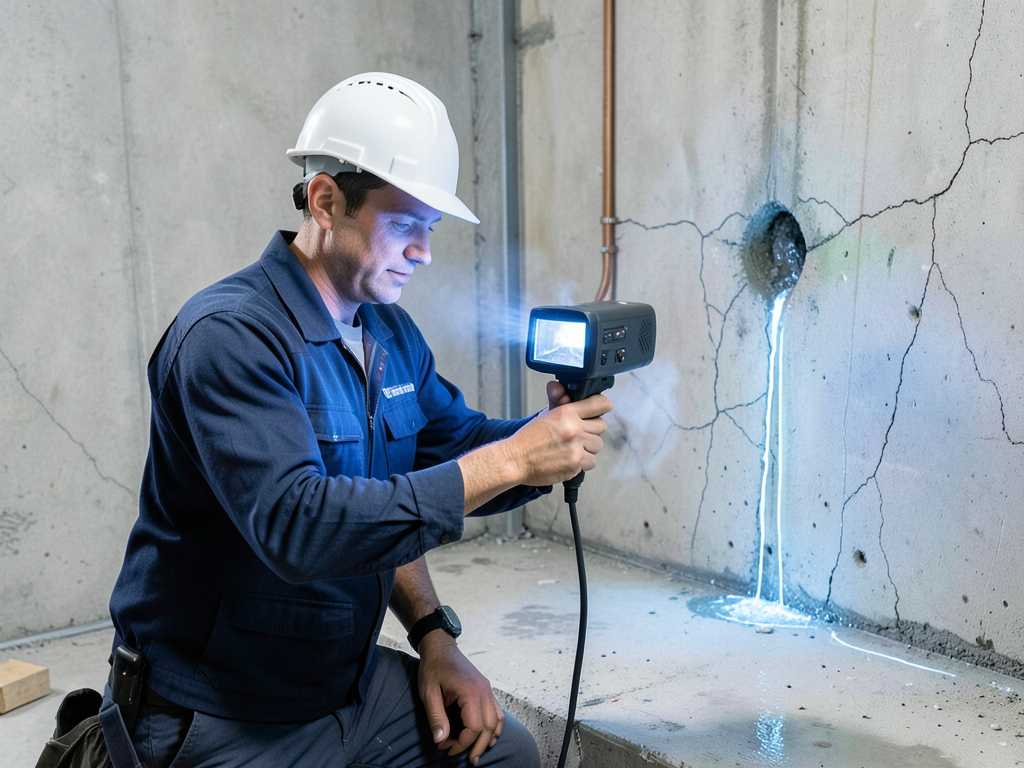
Technician performing thermal imaging inspection to detect hidden water leaks behind warehouse walls and under concrete slabs.
Commercial water filtration system installation showing scale reduction equipment for Jurupa Valley’s hard water conditions.
Take control of your warehouse plumbing reliability
Warehouse managers in Jurupa Valley and Moreno Valley can’t afford plumbing failures that disrupt operations and damage inventory. The combination of hard water, thermal stress, and aging infrastructure creates a perfect storm for system failures. Implementing a comprehensive maintenance program and partnering with experienced industrial plumbing professionals provides the protection your facility needs.
Our team understands the unique challenges of warehouse plumbing in the Inland Empire. We provide 24/7 emergency response, preventative maintenance programs, and specialized services designed for industrial operations. Don’t wait for a catastrophic failure to realize the importance of professional plumbing management.
Call (951) 309-5599 today to schedule your warehouse plumbing assessment. We’ll identify potential vulnerabilities, recommend cost-effective solutions, and create a maintenance plan that protects your investment and keeps your operations running smoothly. Your warehouse plumbing reliability starts with a single phone call.
{
“@context”: “https://schema.org”,
“@type”: “BlogPosting”,
“headline”: “Industrial plumbing essentials for warehouse managers in Jurupa Valley and Moreno Valley”,
“description”: “Protect your warehouse operations with expert industrial plumbing maintenance in Jurupa Valley and Moreno Valley. Learn compliance requirements, preventative schedules, and 24/7 emergency response.”,
“wordCount”: 1711,
“datePublished”: “2026-05-19T15:08:00.000Z”,
“dateModified”: “2026-05-19T15:08:00.000Z”,
“inLanguage”: “en-US”,
“mainEntityOfPage”: {
“@type”: “WebPage”,
“@id”: “https://evergreenplumbingriverside.com”
},
“publisher”: {
“@type”: “LocalBusiness”,
“name”: “Evergreen Plumbing Riverside”,
“url”: “https://evergreenplumbingriverside.com”
},
“author”: {
“@type”: “Organization”,
“name”: “Evergreen Plumbing Riverside”,
“url”: “https://evergreenplumbingriverside.com”
},
“image”: {
“@type”: “ImageObject”,
“url”: “https://evergreenplumbingriverside.com/wp-content/uploads/2026/03/industrial-plumbing-essentials-for-warehouse-manag-1.png”
}
}
{
“@context”: “https://schema.org”,
“@type”: “Plumber”,
“name”: “Evergreen Plumbing Riverside”,
“url”: “https://evergreenplumbingriverside.com”,
“address”: {
“@type”: “PostalAddress”,
“addressLocality”: “Riverside”
},
“areaServed”: {
“@type”: “City”,
“name”: “Riverside”
}
}
{
“@context”: “https://schema.org”,
“@type”: “FAQPage”,
“mainEntity”: [
{
“@type”: “Question”,
“name”: “How often should warehouse plumbing systems be inspected?”,
“acceptedAnswer”: {
“@type”: “Answer”,
“text”: “Warehouse plumbing systems should undergo monthly visual inspections by facility staff and professional inspections every 6-12 months. High-use areas like restrooms and break rooms require more frequent checks, while main supply lines can be inspected annually unless problems arise.”
}
},
{
“@type”: “Question”,
“name”: “What causes the most common plumbing failures in warehouses?”,
“acceptedAnswer”: {
“@type”: “Answer”,
“text”: “The primary causes are hard water scale buildup, thermal expansion stress, and aging infrastructure. Jurupa Valley’s hard water accelerates scale formation in boilers and water heaters, while temperature fluctuations cause pipe joint failures. Facilities over 15 years old often have galvanized steel pipes nearing end-of-life.”
}
},
{
“@type”: “Question”,
“name”: “Are backflow preventers really necessary for warehouses?”,
“acceptedAnswer”: {
“@type”: “Answer”,
“text”: “Yes, most warehouses require backflow prevention assemblies by code. Even facilities without chemical processing can contaminate municipal water supplies through cross-connections or pressure fluctuations. Riverside County mandates annual testing and can shut down operations for non-compliance.”
}
},
{
“@type”: “Question”,
“name”: “How can we reduce water costs in our warehouse operations?”,
“acceptedAnswer”: {
“@type”: “Answer”,
“text”: “Implement water recycling systems for process water, install high-efficiency fixtures, and maintain water heaters to prevent scale buildup. Process water recycling can reduce consumption by 60%, while efficient fixtures save thousands of gallons annually. Regular maintenance prevents costly leaks and inefficiencies.”
}
},
{
“@type”: “Question”,
“name”: “What should we do if we discover a major water leak?”,
“acceptedAnswer”: {
“@type”: “Answer”,
“text”: “Immediately shut off the main water supply using your facility’s emergency shut-off valve. Document the damage with photos for insurance purposes. Contact a commercial plumbing contractor with 24/7 emergency service. Keep the area clear of personnel and electrical equipment until professionals arrive.”
}
}
]
}
{
“@context”: “https://schema.org”,
“@type”: “HowTo”,
“name”: “Warehouse Plumbing Maintenance Schedule”,
“step”: [
{
“@type”: “HowToStep”,
“position”: 1,
“name”: “Monthly inspections”,
“text”: “Check for visible leaks, corrosion, and pressure fluctuations. Pay special attention to areas near water heaters, boilers, and chemical storage areas. Document any changes in water pressure or temperature consistency.”
},
{
“@type”: “HowToStep”,
“position”: 2,
“name”: “Quarterly backflow testing”,
“text”: “Schedule professional backflow prevention assembly testing with a certified ASSE 15 certification holder. Keep documentation on file for health department inspections. Test dates should align with your facility’s operational calendar to minimize disruption. ASSE plumbing certification.”
},
{
“@type”: “HowToStep”,
“position”: 3,
“name”: “Bi-annual water heater flushing”,
“text”: “Commercial water heaters in Jurupa Valley accumulate sediment at twice the rate of areas with softer water. Flushing removes scale buildup that reduces efficiency by up to 30% and prevents premature element failure in electric units.”
},
{
“@type”: “HowToStep”,
“position”: 4,
“name”: “Annual pipe inspection and pressure testing”,
“text”: “Use camera inspection technology to examine sewer lines and high-pressure water lines. Check for corrosion, root intrusion, and joint separation. Pressure testing identifies weak points before they fail catastrophically. Trenchless sewer repair options for historic homes in Victoria Park.”
}
],
“image”: “https://evergreenplumbingriverside.com/wp-content/uploads/2026/03/industrial-plumbing-essentials-for-warehouse-manag-1.png”
}
{
“@context”: “https://schema.org”,
“@type”: “BreadcrumbList”,
“itemListElement”: [
{
“@type”: “ListItem”,
“position”: 1,
“name”: “Home”,
“item”: “https://evergreenplumbingriverside.com”
},
{
“@type”: “ListItem”,
“position”: 2,
“name”: “Blog”,
“item”: “https://evergreenplumbingriverside.com/blog”
},
{
“@type”: “ListItem”,
“position”: 3,
“name”: “Industrial plumbing essentials for warehouse managers in Jurupa Valley and Moreno Valley”
}
]
}
{
“@context”: “https://schema.org”,
“@type”: “Service”,
“serviceType”: “Plumbing”,
“provider”: {
“@type”: “LocalBusiness”,
“name”: “Evergreen Plumbing Riverside”,
“url”: “https://evergreenplumbingriverside.com”
},
“areaServed”: {
“@type”: “City”,
“name”: “Riverside”
},
“description”: “Protect your warehouse operations with expert industrial plumbing maintenance in Jurupa Valley and Moreno Valley. Learn compliance requirements, preventative schedules, and 24/7 emergency response.”
}