
A simple guide to flushing your water heater to remove sediment buildup in Highgrove
Your water heater works hard every day but Highgrove’s hard water creates mineral sediment that settles at the bottom of your tank. This sediment acts like insulation between the burner and the water reducing efficiency and shortening your heater’s lifespan. Flushing removes this buildup and can restore your water heater’s performance. This guide walks you through the process step by step. Emergency Water Shut-Off Service.
Why Riverside’s hard water makes flushing essential
Riverside County water typically contains 12-18 grains per gallon of dissolved minerals mostly calcium and magnesium. These minerals precipitate out when water is heated forming a rocky layer at the tank bottom. A 40-gallon tank can accumulate several pounds of sediment in just one year. This buildup causes your water heater to work 25-30% harder to heat the same amount of water and can reduce efficiency by up to 40% over time. Plumbing Riverside.
The Inland Empire’s water supply comes from both local groundwater and imported sources through the Metropolitan Water District. Groundwater in areas like Highgrove tends to have higher mineral content than imported water. Your water heater may show signs of heavy sediment buildup through rumbling noises popping sounds or reduced hot water volume. How to find a local plumber in Mission Grove who actually answers the phone.
Tools and supplies you’ll need
Before starting gather these items:
- Garden hose long enough to reach a drain or outside area
- Flathead screwdriver or 1/4-inch nut driver
- Work gloves and eye protection
- Buckets for catching water
- Optional: water heater flushing kit with pump
Local hardware stores like Lowe’s on Magnolia Avenue or Home Depot on Indiana Avenue carry all these supplies. The flushing process takes about 30-45 minutes for a standard tank.
Step-by-step instructions to drain and flush your tank
- Turn off power or gas
For electric heaters switch off the circuit breaker. For gas units turn the gas control knob to “pilot” position. This prevents heating an empty tank which could damage the heating element or burner.
- Shut off the cold water supply
Locate the cold water valve above the tank and turn it clockwise until closed. This stops new water from entering while you drain.
- Connect the garden hose and drain
Attach one end to the drain valve at the tank bottom. Place the other end in a floor drain or outside. Open the drain valve with your screwdriver or nut driver.
- The ‘flash flush’ technique for sediment
Once water flows clear briefly open the cold water supply valve. This creates turbulence that stirs up remaining sediment. Let it run until the water runs completely clear. This step removes the stubborn mineral deposits that standard draining misses.
- Refilling and powering back up
Close the drain valve remove the hose and open the cold water supply. Once the tank fills completely open a hot water faucet to release trapped air. Finally restore power or relight the pilot light following your manufacturer’s instructions.
Safety first: when to call a Riverside professional
Call a licensed plumber if you notice any of these conditions: water leaking from the tank rusty colored water or a rotten egg smell indicating bacterial growth. These issues require professional diagnosis and repair. EPA water heater maintenance guidelines.
Older water heaters in Highgrove’s historic districts may have corroded drain valves that could break during flushing. If your unit is over 10 years old or shows signs of corrosion consider having a professional handle the flush. The California Plumbing Code requires licensed professionals to work on gas appliances and water heaters connected to potable water systems. The most common plumbing emergencies in La Sierra and how to solve them.
Professional flushing services include inspecting the anode rod checking the temperature and pressure relief valve and testing the heating element. These additional steps can identify problems before they cause expensive damage.
Frequently asked questions about water heater maintenance in the Inland Empire
How often should I flush my water heater in Highgrove?
Flush every 6-12 months depending on your water hardness. Homes with water above 15 grains per gallon should flush every six months. Check your annual water quality report from Riverside Public Utilities or Western Municipal Water District for your specific area’s hardness level.
Can I flush a tankless water heater?
Yes but the process differs. Tankless units require circulating a descaling solution through the system using a pump. This should be done annually by a professional familiar with tankless technology.
What causes the popping sounds in my water heater?
Popping or rumbling noises indicate sediment trapped under the heating element. As the burner heats the trapped water creates steam bubbles that burst through the sediment layer. This is a clear sign your heater needs flushing.
Comparison of DIY vs professional water heater flushing
| Aspect | DIY Flushing | Professional Service |
|---|---|---|
| Cost | $0-20 for supplies | $100-200 service call |
| Time required | 30-45 minutes | 60-90 minutes |
| Inspection included | No | Yes – anode rod T&P valve heating element |
| Risk of damage | Moderate – broken drain valve | Low – professional handling |
| Warranty impact | None | May extend warranty through documentation |
Regular flushing keeps your water heater running efficiently and prevents premature failure. Highgrove’s hard water makes this maintenance especially important for protecting your investment.
Call (951) 309-5599 today to schedule your inspection. Our licensed plumbers serve Highgrove and all of Riverside County with same-day service for water heater maintenance and repair.

– Close-up photo showing mineral sediment buildup at the bottom of a water heater tank with a quarter for scale comparison.
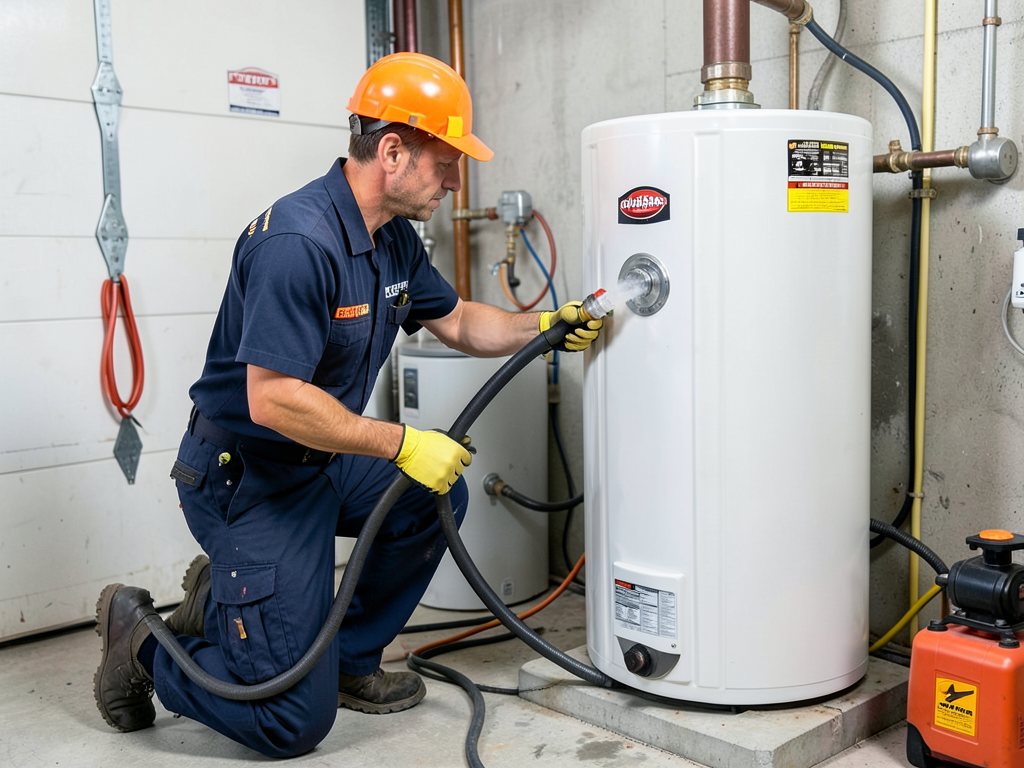
– Technician in uniform using a garden hose to flush a residential water heater in a garage setting with proper safety equipment.
– Before and after comparison showing rusty water flowing from a neglected heater versus clear water after flushing. For more information, visit National Association of Home Inspectors water heater flushing guide.
{
“@context”: “https://schema.org”,
“@type”: “BlogPosting”,
“headline”: “A simple guide to flushing your water heater to remove sediment buildup in Highgrove”,
“description”: “Learn how to flush your water heater in Highgrove to remove sediment buildup. Step-by-step guide for Riverside’s hard water conditions with safety tips and local expert advice.”,
“wordCount”: 981,
“datePublished”: “2026-04-04T12:15:00.000Z”,
“dateModified”: “2026-04-04T12:15:00.000Z”,
“inLanguage”: “en-US”,
“mainEntityOfPage”: {
“@type”: “WebPage”,
“@id”: “https://evergreenplumbingriverside.com”
},
“publisher”: {
“@type”: “LocalBusiness”,
“name”: “Evergreen Plumbing Riverside”,
“url”: “https://evergreenplumbingriverside.com”
},
“author”: {
“@type”: “Organization”,
“name”: “Evergreen Plumbing Riverside”,
“url”: “https://evergreenplumbingriverside.com”
},
“image”: {
“@type”: “ImageObject”,
“url”: “https://evergreenplumbingriverside.com/wp-content/uploads/2026/03/a-simple-guide-to-flushing-your-water-heater-to-re-1.png”
}
}
{
“@context”: “https://schema.org”,
“@type”: “Plumber”,
“name”: “Evergreen Plumbing Riverside”,
“url”: “https://evergreenplumbingriverside.com”,
“address”: {
“@type”: “PostalAddress”,
“addressLocality”: “Riverside”
},
“areaServed”: {
“@type”: “City”,
“name”: “Riverside”
}
}
{
“@context”: “https://schema.org”,
“@type”: “FAQPage”,
“mainEntity”: [
{
“@type”: “Question”,
“name”: “How often should I flush my water heater in Highgrove?”,
“acceptedAnswer”: {
“@type”: “Answer”,
“text”: “Flush every 6-12 months depending on your water hardness. Homes with water above 15 grains per gallon should flush every six months. Check your annual water quality report from Riverside Public Utilities or Western Municipal Water District for your specific area’s hardness level.”
}
},
{
“@type”: “Question”,
“name”: “Can I flush a tankless water heater?”,
“acceptedAnswer”: {
“@type”: “Answer”,
“text”: “Yes but the process differs. Tankless units require circulating a descaling solution through the system using a pump. This should be done annually by a professional familiar with tankless technology.”
}
},
{
“@type”: “Question”,
“name”: “What causes the popping sounds in my water heater?”,
“acceptedAnswer”: {
“@type”: “Answer”,
“text”: “Popping or rumbling noises indicate sediment trapped under the heating element. As the burner heats the trapped water creates steam bubbles that burst through the sediment layer. This is a clear sign your heater needs flushing.”
}
}
]
}
{
“@context”: “https://schema.org”,
“@type”: “HowTo”,
“name”: “How to flush your water heater”,
“step”: [
{
“@type”: “HowToStep”,
“position”: 1,
“name”: “Turn off power or gas”,
“text”: “For electric heaters switch off the circuit breaker. For gas units turn the gas control knob to \”pilot\” position. This prevents heating an empty tank which could damage the heating element or burner.”
},
{
“@type”: “HowToStep”,
“position”: 2,
“name”: “Shut off the cold water supply”,
“text”: “Locate the cold water valve above the tank and turn it clockwise until closed. This stops new water from entering while you drain.”
},
{
“@type”: “HowToStep”,
“position”: 3,
“name”: “Connect the garden hose and drain”,
“text”: “Attach one end to the drain valve at the tank bottom. Place the other end in a floor drain or outside. Open the drain valve with your screwdriver or nut driver.”
},
{
“@type”: “HowToStep”,
“position”: 4,
“name”: “The ‘flash flush’ technique for sediment”,
“text”: “Once water flows clear briefly open the cold water supply valve. This creates turbulence that stirs up remaining sediment. Let it run until the water runs completely clear. This step removes the stubborn mineral deposits that standard draining misses.”
},
{
“@type”: “HowToStep”,
“position”: 5,
“name”: “Refilling and powering back up”,
“text”: “Close the drain valve remove the hose and open the cold water supply. Once the tank fills completely open a hot water faucet to release trapped air. Finally restore power or relight the pilot light following your manufacturer’s instructions.”
}
],
“image”: “https://evergreenplumbingriverside.com/wp-content/uploads/2026/03/a-simple-guide-to-flushing-your-water-heater-to-re-1.png”
}
{
“@context”: “https://schema.org”,
“@type”: “BreadcrumbList”,
“itemListElement”: [
{
“@type”: “ListItem”,
“position”: 1,
“name”: “Home”,
“item”: “https://evergreenplumbingriverside.com”
},
{
“@type”: “ListItem”,
“position”: 2,
“name”: “Blog”,
“item”: “https://evergreenplumbingriverside.com/blog”
},
{
“@type”: “ListItem”,
“position”: 3,
“name”: “A simple guide to flushing your water heater to remove sediment buildup in Highgrove”
}
]
}
{
“@context”: “https://schema.org”,
“@type”: “Service”,
“serviceType”: “Plumbing”,
“provider”: {
“@type”: “LocalBusiness”,
“name”: “Evergreen Plumbing Riverside”,
“url”: “https://evergreenplumbingriverside.com”
},
“areaServed”: {
“@type”: “City”,
“name”: “Riverside”
},
“description”: “Learn how to flush your water heater in Highgrove to remove sediment buildup. Step-by-step guide for Riverside’s hard water conditions with safety tips and local expert advice.”
}