Dual-flush vs single-flush toilets (Which one actually saves more water in Riverwalk?)
Dual-flush and single-flush toilets both get the job done but they work differently and have different water usage patterns. In Riverside’s water-conscious environment a dual-flush toilet can save a typical household 1 000 to 4 000 gallons per year while single-flush models use a consistent amount every time. The choice depends on your household habits water rates and whether you want lower long-term utility costs or simpler maintenance. Emergency Water Shut-Off Service.
How these toilets actually work
Dual-flush toilets have two buttons or a split lever. One releases about 0.8 to 1.1 gallons for liquid waste and the other releases 1.28 to 1.6 gallons for solid waste. Single-flush toilets release the same amount every time usually 1.28 gallons in California to meet state efficiency standards. The difference is in the mechanism. Dual-flush uses a larger flush valve and trapway to handle varied water volumes. Single-flush relies on siphonic action with a consistent water push to clear the bowl.
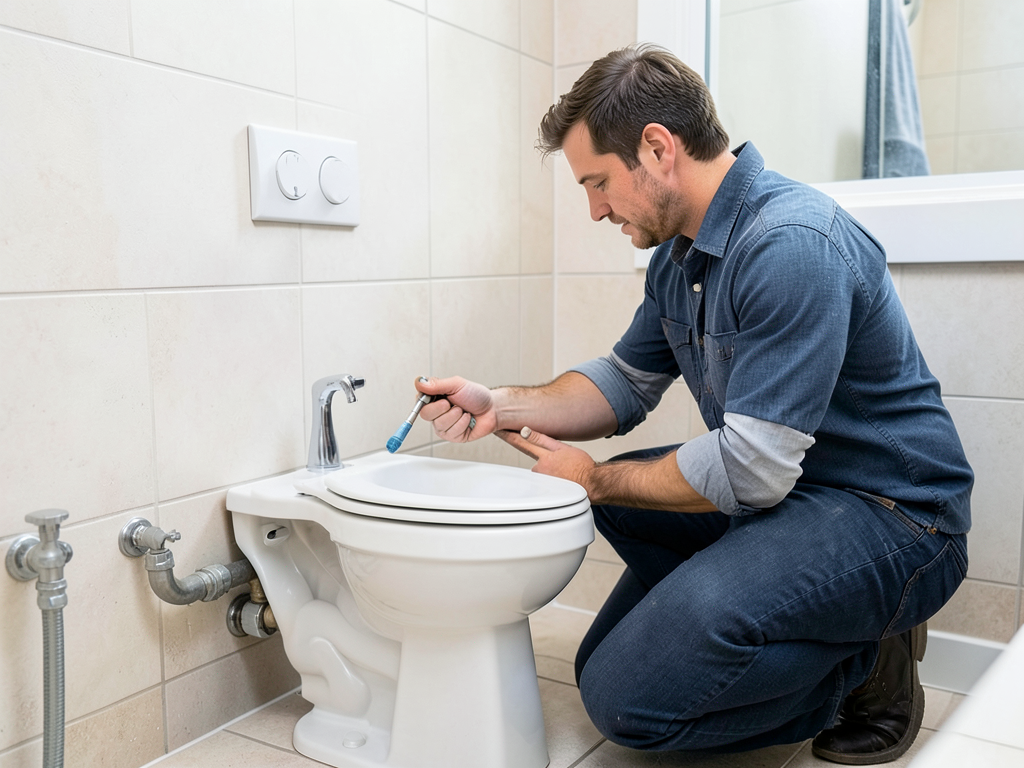
– Diagram comparing internal components of dual-flush and single-flush toilets showing flush valve canister versus traditional flapper mechanism.
Water savings comparison
A dual-flush toilet in a family of four can reduce annual water use by 2 500 to 4 000 gallons compared to a standard 1.6 GPF single-flush model. In Riverside where the average water rate is about $4.50 per hundred cubic feet switching from an older 3.5 GPF toilet to a modern dual-flush can save $50 to $70 per year on water bills. Over a toilet’s 10- to 15-year life that adds up to $500 to $1 050 in savings. Plumbing Riverside.
The Western Municipal Water District offers rebates up to $100 per High-Efficiency Toilet (HET) replacement which can offset the higher upfront cost of dual-flush models. Single-flush 1.28 GPF toilets also qualify for these rebates but may not save as much water over time if your household flushes mostly liquids. Western Municipal Water District rebates.
Maintenance and repair considerations
Riverside’s hard water creates mineral buildup that affects both toilet types but in different ways. Dual-flush systems have more seals and a flush valve canister that can wear out in 5 to 7 years. When that happens you may notice ghost flushing or weak flushes. Single-flush toilets use a simpler flapper design that often lasts 8 to 10 years in the same conditions.
Replacing a dual-flush canister costs about $40 to $60 while a flapper is $10 to $20. Parts for single-flush toilets are more widely available at local hardware stores like Riverside Ace Hardware or Lowe’s in Orangecrest. If you prefer DIY repairs the simpler single-flush design might save you time and money. How to find a local plumber in Mission Grove who actually answers the phone.
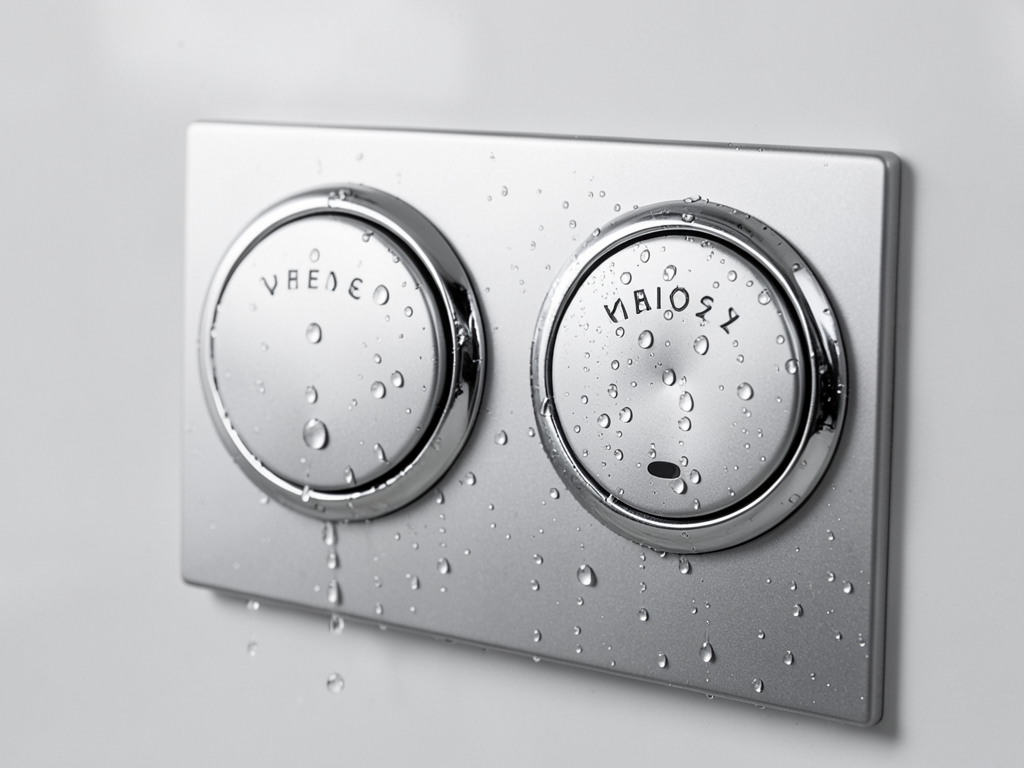
– Close-up photo of mineral deposits on a flush valve seal in a Riverside home showing hard water effects on toilet components.
Cost factors and installation
Dual-flush toilets typically cost $250 to $600 while quality single-flush models range from $150 to $400. Installation labor runs $150 to $300 regardless of type. The higher initial price of dual-flush models can pay for itself in 3 to 5 years through water savings especially if you qualify for local rebates.
Both types meet California’s Title 20 and Title 24 water efficiency standards. The California Green Building Standards Code (CALGreen) requires all new residential construction to use 1.28 GPF or less toilets. If you’re replacing an older toilet in a remodel you must also meet this standard.
Performance and user experience
Single-flush toilets generally have stronger siphonic action which means fewer clogs especially in older Riverside homes with cast iron or clay sewer lines. Dual-flush models rely on gravity and larger trapways which work well but may need an extra flush for heavy loads. The learning curve for dual-flush buttons can be a minor adjustment for guests or children. Trenchless sewer repair options for historic homes in Victoria Park.
MaP (Maximum Performance) testing rates toilets on solid waste removal. Many dual-flush models score 800 to 1 000 grams while top single-flush models score 1 000 to 1 200 grams. Either type can perform well if you choose a WaterSense-certified model tested for your specific water pressure. WaterSense certified toilets.
Which one fits your Riverwalk home
If you live in a newer Riverwalk home with updated plumbing and want maximum water savings a dual-flush toilet makes sense. The area’s average household size and water rates mean you could save $60 to $80 per year. If you have an older home with aging pipes or prefer minimal maintenance a single-flush toilet offers reliability and easier repairs. The most common plumbing emergencies in La Sierra and how to solve them.
Consider your household’s flushing patterns. If you have a large family or frequent guests the dual-flush option maximizes savings. If it’s just one or two people and you want simplicity single-flush might be the better choice.
– Before and after installation photo showing a dual-flush toilet upgrade in a Riverwalk bathroom with visible water savings meter display.
Making the right choice
Both toilet types can save water compared to older models. Dual-flush offers more control and higher potential savings but requires slightly more maintenance. Single-flush provides consistent performance with fewer moving parts. In Riverside’s climate and water cost structure either choice can be smart if you select a WaterSense-certified model.
Before deciding check your current toilet’s age and GPF rating. If it’s pre-1994 it likely uses 3.5 to 7 gallons per flush and replacing it with any modern toilet will cut your water use dramatically.
Need help choosing the right toilet for your Riverwalk home? Call (951) 309-5599 to schedule a consultation. We’ll measure your space check your plumbing and recommend the best option for your household and budget.
Frequently Asked Questions
Do dual-flush toilets really save that much water?
Yes. A dual-flush toilet can save 1 000 to 4 000 gallons per year compared to older single-flush models depending on household size and flushing habits.
Are dual-flush toilets harder to maintain?
They have more components like the flush valve canister which may need replacement every 5 to 7 years. Single-flush toilets have simpler flappers that often last longer in hard water areas.
Do I need a permit to replace my toilet in Riverside?
Most toilet replacements don’t require permits but if you’re moving plumbing or making significant changes you should check with Riverside County Building and Safety. All new installations must meet CALGreen 1.28 GPF requirements.
Can I retrofit my current toilet to dual-flush?
Yes. Dual-flush conversion kits cost $30 to $80 and can be installed on many existing toilets. However new WaterSense-certified toilets often perform better and qualify for rebates.
What’s the warranty on modern toilets?
Most manufacturers offer 1 to 5 year warranties on toilets with some premium models offering lifetime coverage on the porcelain. Flush mechanisms often have separate 1 to 3 year warranties.
How do I know if my toilet is WaterSense certified?
Look for the WaterSense label on the box or product specifications. WaterSense toilets use 1.28 GPF or less and are independently tested for performance and efficiency.
Should I replace my toilet myself or hire a plumber?
If you’re comfortable with basic plumbing and have the right tools DIY installation is possible. However professional installation ensures proper sealing prevents leaks and maintains warranty coverage.
How long does toilet installation take?
A typical toilet replacement takes 1 to 2 hours including removal of the old unit and testing the new installation.
What if my new toilet doesn’t flush well?
Check the water level in the tank and ensure the rim holes aren’t clogged. If problems persist the toilet may not be suited for your home’s water pressure or plumbing configuration.
Can hard water damage my new toilet?
Hard water causes mineral buildup that can affect performance over time. Using a toilet bowl cleaner designed for hard water and cleaning regularly helps prevent issues.
You may also find this helpful. What that weird whistling sound from your Canyon Crest toilet actually means.
{
“@context”: “https://schema.org”,
“@type”: “BlogPosting”,
“headline”: “Dual-flush vs single-flush toilets (Which one actually saves more water in Riverwalk?)”,
“description”: “Compare dual-flush and single-flush toilets for Riverside’s Riverwalk homes. See real water savings potential, maintenance needs, and local rebate options.”,
“wordCount”: 1328,
“datePublished”: “2026-03-13T07:36:00.000Z”,
“dateModified”: “2026-03-13T07:36:00.000Z”,
“inLanguage”: “en-US”,
“mainEntityOfPage”: {
“@type”: “WebPage”,
“@id”: “https://evergreenplumbingriverside.com”
},
“publisher”: {
“@type”: “LocalBusiness”,
“name”: “Evergreen Plumbing Riverside”,
“url”: “https://evergreenplumbingriverside.com”
},
“author”: {
“@type”: “Organization”,
“name”: “Evergreen Plumbing Riverside”,
“url”: “https://evergreenplumbingriverside.com”
},
“image”: {
“@type”: “ImageObject”,
“url”: “https://evergreenplumbingriverside.com/wp-content/uploads/2026/03/dual-flush-vs-single-flush-toilets-which-one-actua-1.png”
}
}
{
“@context”: “https://schema.org”,
“@type”: “Plumber”,
“name”: “Evergreen Plumbing Riverside”,
“url”: “https://evergreenplumbingriverside.com”,
“address”: {
“@type”: “PostalAddress”,
“addressLocality”: “Riverside”
},
“areaServed”: {
“@type”: “City”,
“name”: “Riverside”
}
}
{
“@context”: “https://schema.org”,
“@type”: “FAQPage”,
“mainEntity”: [
{
“@type”: “Question”,
“name”: “Do dual-flush toilets really save that much water?”,
“acceptedAnswer”: {
“@type”: “Answer”,
“text”: “Yes. A dual-flush toilet can save 1 000 to 4 000 gallons per year compared to older single-flush models depending on household size and flushing habits.”
}
},
{
“@type”: “Question”,
“name”: “Are dual-flush toilets harder to maintain?”,
“acceptedAnswer”: {
“@type”: “Answer”,
“text”: “They have more components like the flush valve canister which may need replacement every 5 to 7 years. Single-flush toilets have simpler flappers that often last longer in hard water areas.”
}
},
{
“@type”: “Question”,
“name”: “Do I need a permit to replace my toilet in Riverside?”,
“acceptedAnswer”: {
“@type”: “Answer”,
“text”: “Most toilet replacements don’t require permits but if you’re moving plumbing or making significant changes you should check with Riverside County Building and Safety. All new installations must meet CALGreen 1.28 GPF requirements.”
}
},
{
“@type”: “Question”,
“name”: “Can I retrofit my current toilet to dual-flush?”,
“acceptedAnswer”: {
“@type”: “Answer”,
“text”: “Yes. Dual-flush conversion kits cost $30 to $80 and can be installed on many existing toilets. However new WaterSense-certified toilets often perform better and qualify for rebates.”
}
},
{
“@type”: “Question”,
“name”: “What’s the warranty on modern toilets?”,
“acceptedAnswer”: {
“@type”: “Answer”,
“text”: “Most manufacturers offer 1 to 5 year warranties on toilets with some premium models offering lifetime coverage on the porcelain. Flush mechanisms often have separate 1 to 3 year warranties.”
}
},
{
“@type”: “Question”,
“name”: “How do I know if my toilet is WaterSense certified?”,
“acceptedAnswer”: {
“@type”: “Answer”,
“text”: “Look for the WaterSense label on the box or product specifications. WaterSense toilets use 1.28 GPF or less and are independently tested for performance and efficiency.”
}
},
{
“@type”: “Question”,
“name”: “Should I replace my toilet myself or hire a plumber?”,
“acceptedAnswer”: {
“@type”: “Answer”,
“text”: “If you’re comfortable with basic plumbing and have the right tools DIY installation is possible. However professional installation ensures proper sealing prevents leaks and maintains warranty coverage.”
}
},
{
“@type”: “Question”,
“name”: “How long does toilet installation take?”,
“acceptedAnswer”: {
“@type”: “Answer”,
“text”: “A typical toilet replacement takes 1 to 2 hours including removal of the old unit and testing the new installation.”
}
},
{
“@type”: “Question”,
“name”: “What if my new toilet doesn’t flush well?”,
“acceptedAnswer”: {
“@type”: “Answer”,
“text”: “Check the water level in the tank and ensure the rim holes aren’t clogged. If problems persist the toilet may not be suited for your home’s water pressure or plumbing configuration.”
}
},
{
“@type”: “Question”,
“name”: “Can hard water damage my new toilet?”,
“acceptedAnswer”: {
“@type”: “Answer”,
“text”: “Hard water causes mineral buildup that can affect performance over time. Using a toilet bowl cleaner designed for hard water and cleaning regularly helps prevent issues.”
}
}
]
}
{
“@context”: “https://schema.org”,
“@type”: “BreadcrumbList”,
“itemListElement”: [
{
“@type”: “ListItem”,
“position”: 1,
“name”: “Home”,
“item”: “https://evergreenplumbingriverside.com”
},
{
“@type”: “ListItem”,
“position”: 2,
“name”: “Blog”,
“item”: “https://evergreenplumbingriverside.com/blog”
},
{
“@type”: “ListItem”,
“position”: 3,
“name”: “Dual-flush vs single-flush toilets (Which one actually saves more water in Riverwalk?)”
}
]
}
{
“@context”: “https://schema.org”,
“@type”: “Service”,
“serviceType”: “Plumbing”,
“provider”: {
“@type”: “LocalBusiness”,
“name”: “Evergreen Plumbing Riverside”,
“url”: “https://evergreenplumbingriverside.com”
},
“areaServed”: {
“@type”: “City”,
“name”: “Riverside”
},
“description”: “Compare dual-flush and single-flush toilets for Riverside’s Riverwalk homes. See real water savings potential, maintenance needs, and local rebate options.”
}